


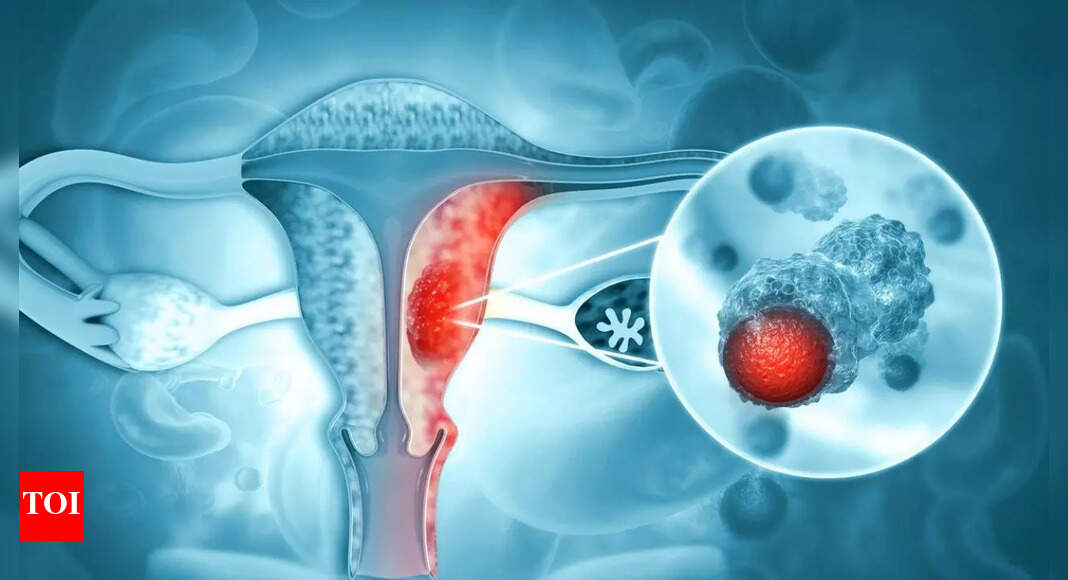
Microplastics in Human Ovaries: Implications for Women’s Fertility
Recent research has revealed the alarming presence of microplastics in human ovarian follicular fluid, triggering serious concerns regarding their potential impact on female fertility. This discovery suggests that the adverse effects of plastic pollution extend to women’s health, complementing prior findings about its impact on male reproductive systems.
Understanding Follicular Fluid
Follicular fluid is a vital component in female reproductive health, serving as the medium in which ovarian follicles develop. It plays a crucial role in supporting oocyte maturation and providing a suitable environment for fertilization.
Study Overview
A study published in the journal Ecotoxicology and Environmental Safety involved 18 women undergoing assisted reproductive treatments at a fertility clinic in Salerno, Italy. Researchers found microplastics in 14 of these samples. According to Luigi Montano, the lead author, these findings are “very alarming” and highlight the necessity for further investigation into how microplastics affect women’s reproductive health.
Health Implications of Microplastics for Women
While men have been more commonly studied in relation to the toxic effects of microplastics, emerging evidence indicates that women are equally at risk. The following are critical areas of concern:
1. Reproductive Health Risks
The presence of microplastics in ovarian fluid poses potential risks to female fertility, as they may disrupt the development and maturation of eggs, influencing overall reproductive health and hormone balance.
2. Hormonal Disruption
Microplastics are known to contain various endocrine-disrupting chemicals that can mimic or interfere with natural hormones. This hormonal disturbance can lead to issues like polycystic ovary syndrome (PCOS), thyroid irregularities, and menstrual cycle disturbances.
3. Inflammation and Chronic Disease Risks
When microplastics enter the bloodstream, they can trigger systemic inflammation, which is linked to a range of chronic health issues such as autoimmune disorders and cardiovascular diseases. Women might be at heightened risk due to specific immune system vulnerabilities.
4. Pregnancy and Fetal Development Concerns
The potential for microplastics to cross the placental barrier raises significant concerns about fetal development. Exposure during pregnancy could lead to complications such as low birth weight or developmental delays.
5. Respiratory and Digestive Health
Inhalation and ingestion of microplastics can lead to respiratory conditions like asthma and bronchitis, especially in urban-dwelling women subjected to higher levels of pollution. Additionally, gastrointestinal issues may arise from the ingestion of microplastics, leading to long-term digestive health problems.
The Link to Male Fertility
Microplastics are a byproduct of plastic degradation, forming particles less than 5 mm in diameter that permeate our environment, including air, water, and food. Infertility affects approximately 15% of couples worldwide, with male factors contributing significantly. Studies indicate that sperm quality has notably declined from 1940 to 1990. The World Health Organization (WHO) reports a decrease in normal semen concentration values from 60 million/ml in 1980 to just 15 million/ml in 2010, with no notable changes in recent years, correlating this decline with the rise of plastic pollution.
Conclusion
The discovery of microplastics in human ovaries underscores the urgent need to address plastic pollution as a broad public health concern. Understanding the full range of impacts on women’s health is critical, and ongoing research will be essential to develop strategies that mitigate these risks.
