


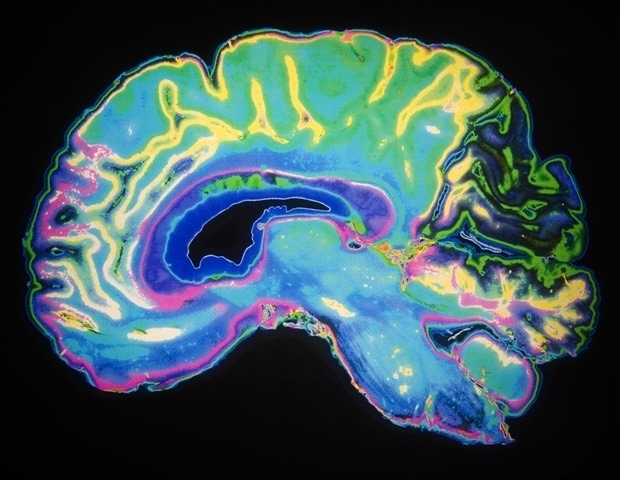
Meningiomas, tumors located in the protective membranes covering the brain, have garnered attention for their increasing prevalence, particularly among older women. Recent research conducted by scientists at the University of Gothenburg indicates that the occurrence of these tumors in 70-year-old women is notably higher than previously understood, with a rate of 2.7 percent.
The comprehensive study analyzed a sample of 792 randomly selected individuals aged 70, revealing an overall meningioma occurrence rate of 1.8 percent. Notably, the risk among women stands five times higher compared to men, highlighting a significant gender disparity in the tumor’s prevalence among older adults.
“We sometimes detect meningiomas in older people as incidental findings on MRI scans when looking for other things. They are often benign, in most cases causing absolutely no problems and growing very slowly. Malignant variants are found but very rarely,”
Erik Thurin, neuroscientist, University of Gothenburg
Meningiomas in Relation to Gender and Age
This research provides further evidence that meningiomas predominantly affect older women. According to Erik Thurin, the lead investigator of the study, the prevalence among women is noteworthy. “Meningiomas primarily affect older women. Among women, there was a 2.7 percent risk of a tumor, five times higher than for men,” Thurin states.
The study was executed in collaboration with Professor Ingmar Skoog’s research team, utilizing data from the extensive H70 population study, which invited a cohort of 70-year-olds for examinations including MRI scans of the brain. Researchers aimed to explore suspicions regarding the underdiagnosis of meningiomas in senior populations, a concern raised in studies from other countries.
Management and Approach to Incidental Findings
For patients diagnosed with meningiomas, surgical intervention can lead to a complete cure; however, surgery is often unnecessary for smaller, non-growing tumors. Regular monitoring via MRI can be sufficient for benign tumors that demonstrate no rapid growth. Thurin advises caution regarding immediate surgical decisions:
“It’s important not to overreact if the tumor is small. I’ve previously researched how meningioma patients fare after surgery, and I’ve seen that in some cases surgery can have unfortunate consequences,” he says. Thurin further explains that incidental findings during imaging for unrelated issues can lead to misattributions, potentially resulting in unnecessary surgical procedures.
Striking a Balance in Patient Care
The findings of this study underscore the necessity of a balanced approach in managing incidental brain findings among the elderly. Careful consideration rooted in both empirical evidence and common sense is essential in ensuring the well-being of aging patients. Thurin concludes by emphasizing the importance of nuanced patient consultations, drawing attention to the need for thorough discussions around the findings and possible next steps.
“We need to strike a balance between diligence and unnecessary worry. It’s a matter of taking care of our older populations on the basis of both science and common sense,” he asserts.
For those looking for further insights into meningiomas and their implications, the findings are detailed in a study published in the journal Acta Neurochirurgica.
Source:
Journal reference:
de Dios, E., et al. (2025). Prevalence and symptoms of incidental meningiomas: a population-based study. Acta Neurochirurgica. doi.org/10.1007/s00701-025-06506-7.
