


Physical Activity and Its Role in Heart Health: Understanding Broken Heart Syndrome
Importance of Physical Activity
Engaging in regular physical activity is critical for maintaining heart health. According to the American Heart Association, even small efforts can significantly enhance well-being. Dr. Elena Resnick of Spectrum Healthcare Partners emphasizes that just 30 minutes of activity per day—broken into manageable intervals—can yield considerable health benefits. Key advantages include:
- Reduced risk of stroke and heart disease
- Improved blood circulation
- Effective weight management
What Is Takotsubo Cardiomyopathy?
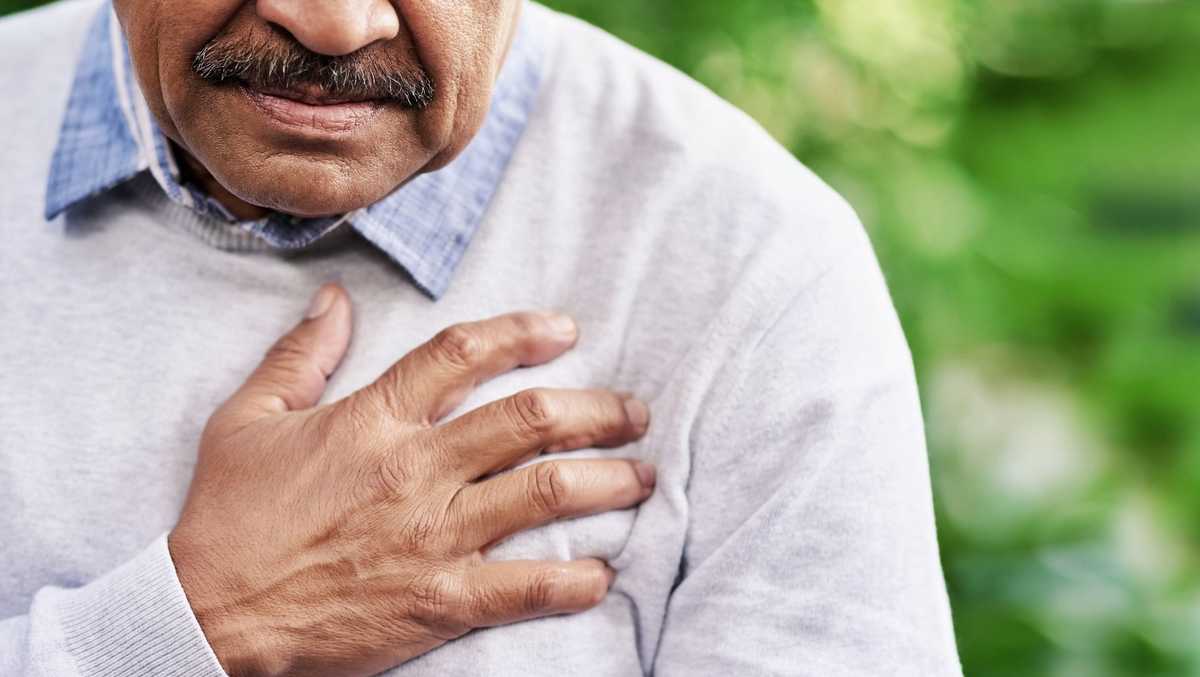
Takotsubo cardiomyopathy, commonly referred to as broken heart syndrome, is a condition characterized by sudden chest pain and shortness of breath often triggered by extreme emotional stress. This stress-induced heart condition was recently highlighted in a case study from Peking University First Hospital, involving a male patient with a history of cancer fears.
Recent Findings on Gender Discrepancies
A study published in the Journal of the American Heart Association revealed striking differences in mortality rates between genders. Although women represent 83% of takotsubo cases, men who experience this syndrome have a mortality rate exceeding 11%, more than double that of women. Dr. Mohammad Reza Movahed, a professor at the University of Arizona, notes the urgency for further investigation into these gender-based discrepancies.
Potential Causes Behind the Disparities
Research suggests that hormonal differences may influence the severity of takotsubo syndrome. During stressful events, men typically produce higher levels of catecholamines—hormones that can potentially stun heart tissue and exacerbate symptoms. On the other hand, the protective effects of estrogen in women may lessen the impact of such stress responses.
Social and Behavioral Aspects
Disparities not only stem from biological factors but also from social behaviors and perceptions. Doctors may mistakenly associate takotsubo primarily with women, leading to missed diagnoses in men. Furthermore, men are often inclined to delay seeking medical attention, underestimating the severity of their symptoms.
Clinical Implications and Recommendations
Ignoring symptoms like sudden chest pain or shortness of breath can be dangerous. Dr. Deepak Bhatt emphasizes the importance of treating these signs as medical emergencies. Immediate attention can prevent irreversible damage to the heart. Tackling chronic stress through daily practices such as meditation or exercise is also recommended for better overall cardiovascular health.
Future Research Directions
The findings regarding the higher mortality rates in men warrant additional research to understand the underlying causes and improve treatment strategies. More comprehensive datasets are necessary for examining the correlations between gender, stress, and cardiovascular outcomes.
