


Emotional Resilience in Tennis: The Challenge of Runner-Up Speeches
The Stage of the U.S. Open Final
The U.S. Open men’s final features a matchup between Jannik Sinner and Carlos Alcaraz, but the spotlight often shines on the emotional aftermath of Grand Slam events. The responsibility of addressing a crowd immediately after a defeat introduces a unique perspective on the psychological toll of high-stakes competition.
Runner-Up Reflections: A Common Experience
In the world of tennis, losing a Grand Slam final brings with it a ritual that is both poignant and challenging. Aryna Sabalenka, following her defeat at the French Open, expressed her pain with the words, “this one hurts so much, guys.” Her raw honesty resonated widely, yet also ignited a debate about expectations in post-match speeches.
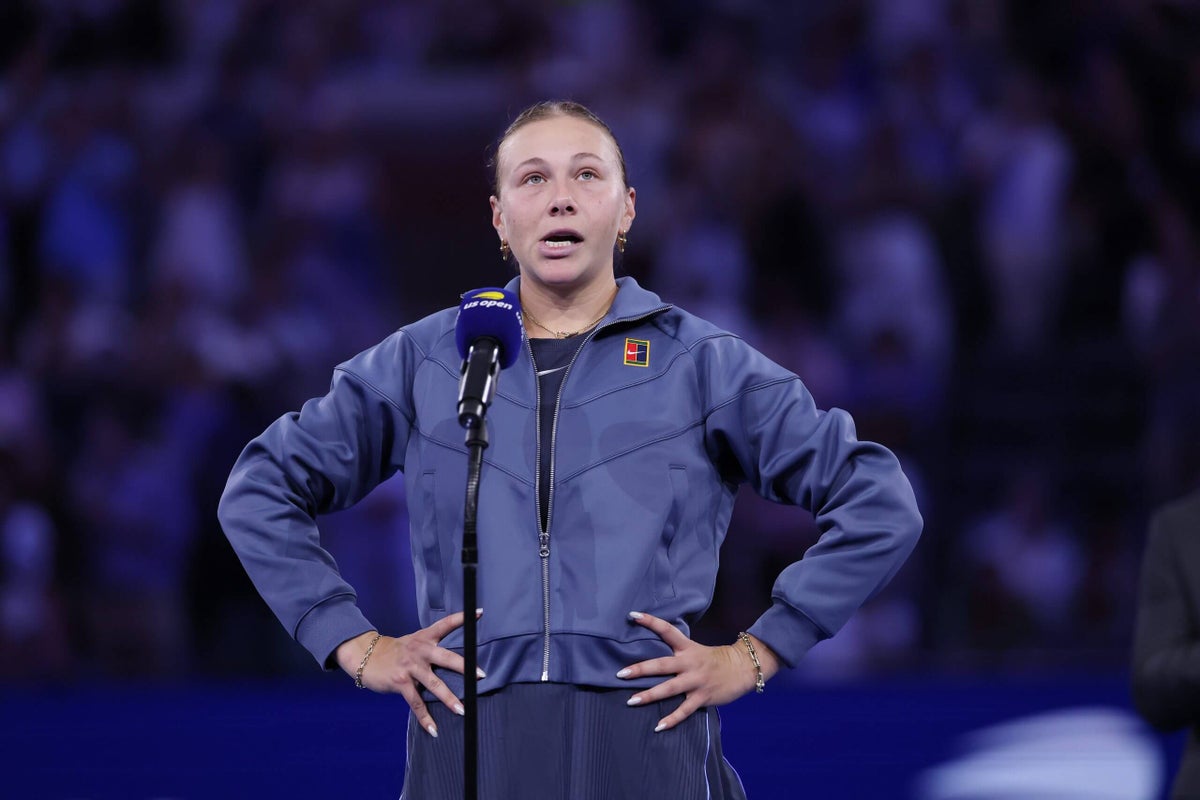
Amanda Anisimova’s response after her loss at Wimbledon demonstrated a different emotional approach. After suffering a 6-0, 6-0 defeat, her five-minute monologue acknowledging her mother’s influence showcased the personal narratives athletes often bring to their speeches. For Anisimova, the aftermath of her father’s unexpected passing shaped her emotional expression considerably.
The Complexity of Losing
After Sabalenka’s compelling triumph at the U.S. Open, Anisimova again faced the daunting microphone. Acknowledging her own performance, she stated, “I didn’t fight hard for my dreams today,” illustrating the weight of expectations when standing before an eager audience. This unique aspect of tennis requires players to manage both their emotions and the audience’s response, often leading to intricate and intense moments of vulnerability.
Michael Ronayne, an expert in public speaking, emphasized the role of emotional transparency in these speeches. He noted, “We’re asking them to bleed in front of us,” highlighting the inherent challenges players face in revealing their emotional states while maintaining decorum.
Unwritten Codes of Conduct
Tennis has established an unwritten code dictating how players should respond to such high-pressure moments. Sabalenka faced criticism for her candid remarks post-French Open, as her words could be perceived as undermining her opponent’s prowess. In stark contrast, Novak Djokovic pointed out the challenge of balancing emotional honesty with the need for diplomacy upon losing.
This expectation can create a paradox where players feel pressured to present their losses with grace while processing genuine disappointment. The emotional weight of these speeches is particularly notable as players must quickly switch from competitors to gracious speakers.
Strategies for Coping
Many players develop techniques for handling the immediate aftermath of a loss. For instance, Naomi Osaka utilizes prepared notes to collect her thoughts during what can be very emotional moments. Others, like Leylah Fernandez, demonstrate the ability to connect deeply with fans, even in defeat, as seen in her heartfelt speech after losing to Emma Raducanu during a significant anniversary for New York.
Despite their different approaches, all players face the challenge of conveying their true emotions in a time of vulnerability. Jim Courier, reflecting on the emotional impact of these speeches, suggested that athletes should be afforded more space to express genuine feelings, free from the pressures of performing for the audience.
Final Thoughts
These moments on the podium serve not only as a testament to athletes’ character but also as reflections of human emotion. As they navigate the complexities of success and failure, the post-match speeches become a significant aspect of the tennis narrative, revealing both the triumphs and tribulations inherent in this sport.
Ultimately, as tennis continues to shape its competitive landscape, the emotional depth of runner-up speeches remains a compelling facet of the sport. The authenticity displayed in these moments, whether through vulnerability or composure, contributes to the unique fabric of tennis culture.
