


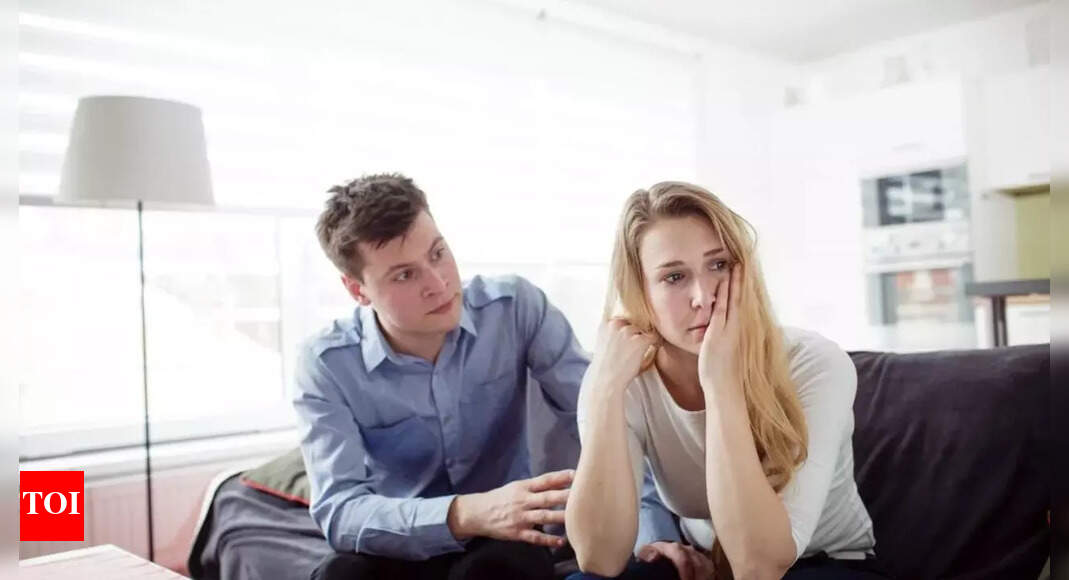
Mankeeping: Understanding the Emotional Labor in Modern Relationships
In today’s dynamic dating landscape, many women find themselves withdrawing from romantic interactions. This trend, identified as ‘mankeeping,’ highlights a growing emotional fatigue many women experience in relationships, particularly as they navigate the emotional demands placed on them by their male partners.
Defining Mankeeping
‘Mankeeping’ is a term introduced by Stanford psychologists Angelica Puzio Ferrara and Dylan Vergara, drawing a parallel to ‘kinkeeping’—the emotional management often associated with familial ties. This concept focuses on the emotional support that many women unwittingly provide in their romantic relationships, effectively placing them in roles reminiscent of therapists or emotional caretakers.
The Dynamics of Mankeeping in Everyday Life
In practical terms, a woman engaged in mankeeping might regularly calm her partner after stressful events, organize social plans, and assist in tackling personal difficulties—all while attending to her own various commitments. Frequently, this behavior is not sporadic; it becomes a habitual, and thus, exhausting part of her responsibilities.
Research Insights on Mankeeping
Averaging emotional support roles has become increasingly common among couples, partly due to a lack of emotionally intimate friendships among men. Recent findings indicate that about 20% of men in the U.S. have no close friends, while women typically foster deeper emotional relationships. Consequently, men often depend heavily on their partners for emotional support, resulting in an emotional imbalance.
Understanding the Emotional Effects
The pressure of managing emotional labor can lead to several repercussions for women, including:
- Burnout: The constant requirement to support a partner’s emotional needs can be exceptionally draining, especially when coupled with other life responsibilities.
- Resentment: A lack of reciprocation in emotional support may leave women feeling undervalued.
- Loss of Self: Focusing excessively on another’s emotional well-being can lead to a neglect of personal needs and identity.
- Relationship Strain: Emotional imbalance within relationships has been linked to dissatisfaction and higher rates of separation.
Shifts in Relationship Perspectives
Data from Pew Research reveals a stark contrast in relationship desires: only 38% of single women are actively seeking romantic connections, while 61% of men are. A significant factor contributing to this trend is women’s exhaustion from the emotional labor often expected in these relationships.
Factors Contributing to Male Dependence
Several influences contribute to this rising trend of emotional dependence among men, including:
- Friendship Crisis: The number of close friends men maintain has dwindled—from 55% in 1990 reporting at least six close friends to 27% today.
- Toxic Masculinity: Cultural beliefs often discourage men from expressing vulnerability, inhibiting the formation of emotional bonds with peers.
- Lack of Support Systems: Although more men are seeking counseling, there is still a deficit of spaces that allow for open emotional dialogue.
Moving Towards Balanced Emotional Support
To address the challenges posed by mankeeping, establishing mutual understanding is crucial. Recognizing and discussing emotional labor can foster more equitable partnerships. Here are actionable steps for improvement:
- Acknowledge Emotional Labor: Recognizing the existence of emotional work is essential in facilitating open dialogues about fairness in relationships.
- Establish Boundaries: Women should feel empowered to set limits on emotional availability.
- Encourage Male Support Networks: Urging men to cultivate friendships and seek therapy can alleviate pressure on their partners.
- Share Emotional Tasks: Couples should alternate responsibilities for emotional tasks to create a more balanced dynamic.
Conclusion
Mankeeping sheds light on the invisible burdens many women carry in modern relationships. By fostering awareness around this issue, society can begin to address gender norms, mental health discrepancies, and emotional labor. Ultimately, pursuing healthier, more balanced relationships benefits everyone involved.
