


Maine Senate’s Decision on Transgender Athlete Legislation
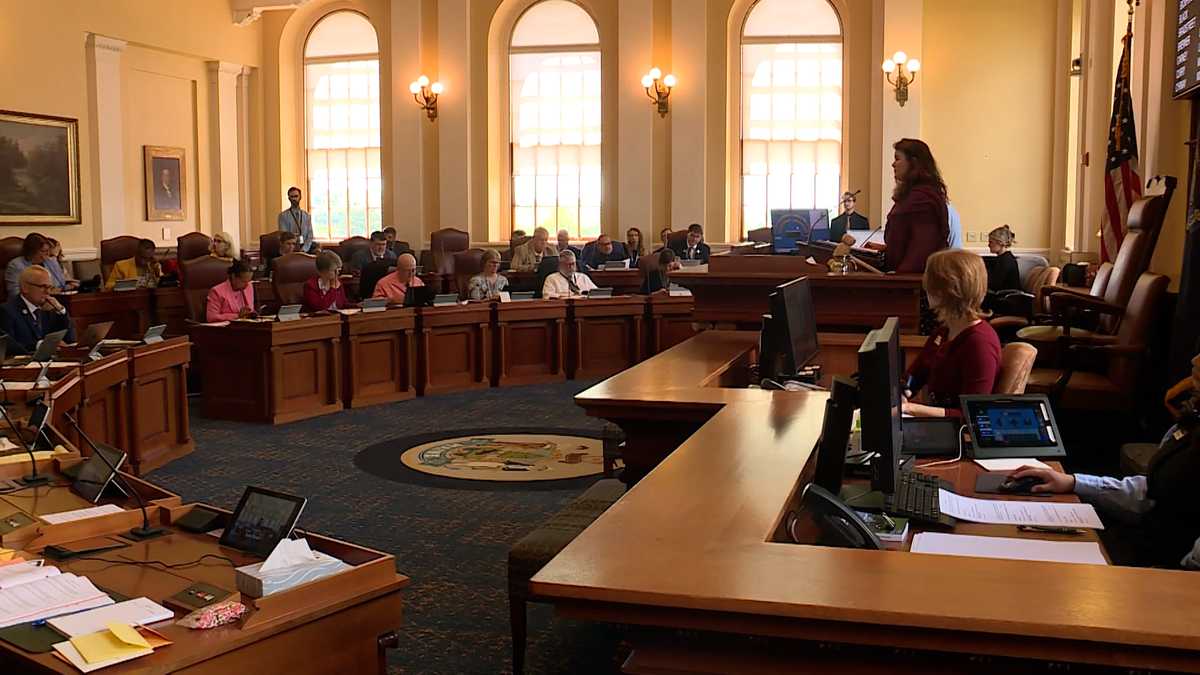
AUGUSTA, Maine — The Maine Senate recently voted against a proposed bill that aimed to restrict transgender athletes from participating in girls’ and women’s sports. The legislation also sought to prevent transgender females from utilizing women’s bathrooms or changing facilities.
Current Legislative Context
The bill was placed on the Senate’s supplemental calendar for discussion, but Senate staff indicated uncertainty about when it would be addressed due to a packed agenda. This legislation is part of a larger package of eight bills related to transgender issues currently under consideration in the legislative session. Details about when the other bills will be debated and voted upon remain unclear.
Moreover, it has come to light that an additional bill concerning gender-affirming care for trans individuals has been added to the Senate agenda.
Public Response and Testimony
Last month, the Senate’s discussions included extensive public testimony regarding the various Republican-backed bills, highlighting a mix of opinions in the community. Supporters of transgender rights gathered at the Maine State House, demonstrating their backing for transgender youth with signs and speeches.
Federal Conflicts Over Transgender Policies
This legislative discussion has unfolded against the backdrop of a conflict between the State of Maine and the Trump administration concerning the state’s transgender athlete policies. In February, the executive director of the Maine Principals’ Association confirmed that the organization would uphold its decision to allow transgender athletes to compete in girls’ sports, despite President Trump’s executive order aimed at banning such practices within federally funded programs.
During a Republican Governors Association meeting in late February, President Trump threatened to withhold federal funding from Maine unless it reversed its policy on transgender athletes. This exchange intensified during a subsequent meeting with Maine Governor Janet Mills, highlighting the heated national discourse surrounding this topic.
Legal Implications and Funding Issues
In April, the U.S. Department of Justice initiated a civil lawsuit against the Maine Department of Education, citing non-compliance with federal law regarding Title IX as grounds for action. This legal challenge stemmed from findings by the Office for Civil Rights that the Maine Department of Education was allowing transgender athletes assigned male at birth to compete in girls’ sports, a practice that allegedly violates Title IX.
In a related incident, the U.S. Department of Agriculture froze funding for certain educational programs in Maine, pending clarifications regarding the state’s compliance with Title IX. This funding freeze significantly impacted Maine’s Child Nutrition Program, affecting essential services for children and vulnerable populations.
Judicial and Settlement Developments
In response to the funding freeze, Maine Attorney General Aaron Frey filed a lawsuit challenging the USDA’s actions. A U.S. District Court judge subsequently ordered the immediate release of withheld federal funds, emphasizing the necessity of proper legal procedures in future funding decisions related to Title IX compliance.
On May 2, a legal settlement was reached between the state and the USDA, wherein the federal agency committed to not withholding funding over Title IX allegations without adhering to required legal protocols. In exchange, Maine agreed to withdraw its claims regarding the unlawful nature of the USDA’s funding freeze.
The unfolding events in Maine reflect broader national tensions surrounding transgender rights, particularly in the realm of sports and education. As the legislative session progresses, the discussions and decisions made will undoubtedly shape the future landscape of transgender rights in the state.
