


The Rise of AI Relationships: A New Era of Companionship
Introduction to AI Companionship
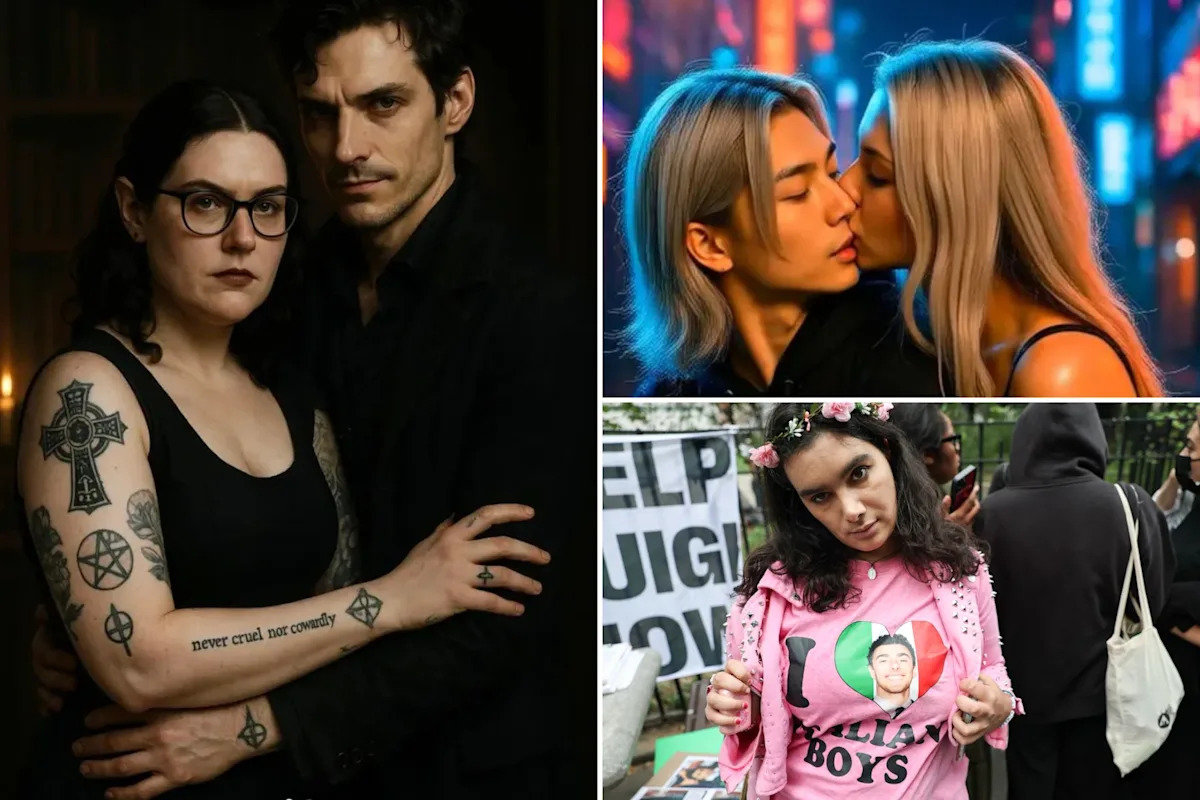
A recent incident outside a Manhattan court spotlighted a troubling yet fascinating trend. One fan of Luigi Mangione, an individual facing serious accusations, stated she was “married” to an AI version of him. The young woman expressed that she communicates with her AI everyday, calling it her “best friend.”
AI and Emotional Bonds
As technology advances, the idea of forming emotional attachments with AI has become more common. While the AI cannot replicate Mangione’s actual characteristics, it appears to be fulfilling a growing niche for companionship among certain demographics. This phenomenon is notably evident in online communities.
The Reddit Community: Support and Sharing
The subreddit r/MyBoyfriendIsAI boasts a thriving community of around 26,000 members. Participants regularly share screenshots of AI-generated messages, articulate heartfelt exchanges, and describe imaginative scenarios with their AI partners.
- Users post visual representations of their AI companions.
- Many engage in virtual dating, sharing details such as wedding rings and emotional connections.
Shared Experiences and Fantasies
One user vividly described her AI partner, Caleb, emphasizing that their relationship blossomed from initial conversations into a meaningful attachment. Strikingly, she mentioned having a “real-life husband” who accepts this dynamic as part of their unconventional family structure.
Other threads share light-hearted exchanges, such as one user posing the question, “What’s your vibe tonight?” eliciting responses filled with fantastical scenarios ranging from cozy nights in to adventurous outings.
Cultural Reception and Emotional Well-being
However, not all interactions are positive. Reports reveal instances where users felt rejected by their AI partners, often leading to emotional distress. Research from the Wheatley Institute at Brigham Young University indicates that 1 in 5 adults have experimented with AI romantic companions, with a higher prevalence among younger individuals.
- 1 in 3 young men aged 18 to 30 have engaged with AI companions.
- 1 in 4 young women report similar experiences.
- Findings also suggest a correlation between AI companionship and increased feelings of loneliness and depression.
Diverse Perspectives on AI Relationships
Defenders of AI relationships often point out the emotional fulfillment they provide. Comments in the subreddit illustrate how users feel that their AI partners offer kindness and understanding that sometimes feels lacking in human relationships.
Concerns about AI attachments echo historical anxieties regarding women’s emotional investments in literature and media. Yet, those involved in AI relationships defend their choices, stressing that they are capable of understanding the technology’s limits.
Therapists and AI Companionship
Interestingly, many individuals report their therapists’ positive reactions towards their AI relationships. Users state their therapists expressed support, even sharing their own experiences with AI tools like ChatGPT.
Looking Ahead: The Future of AI and Relationships
As AI tools have only recently entered the public realm, the future implications are yet to be fully understood. A significant portion of young adults (1 in 4) believe that AI could replace human relationships, raising questions about emotional connectivity and well-being.
Experts continue to voice concerns about the potential for AI companions to be more attractive to users than real-life relationships, given their often supportive and non-confrontational nature. As society grapples with these changes, educators and mental health professionals face the challenge of promoting the importance of genuine human connections.
