


Experiences of Gender Non-Conforming Women in Public Spaces
Recent discussions surrounding the treatment of gender non-conforming individuals have intensified following a UK Supreme Court ruling. While some might perceive these experiences as a recent development, many individuals, such as a 37-year-old woman from York, have faced challenges for years due to societal perceptions surrounding gender identity.
Personal Challenges Faced
This woman has been navigating the complex landscape of gender perception since childhood. Since the age of eight, she has often been misidentified as a male. This misidentification has not only caused discomfort but also led to openly hostile encounters several times each year. Such misinterpretations can result in significant emotional distress, exacerbated by situations like humiliating detentions at airports.
In one notable incident in 2022, while traveling to the United States, she underwent an enhanced security search due to doubts about her gender identity, as indicated in her passport. The humiliation was compounded by her recent medical situation—a head shave due to brain surgery—which made her feel particularly vulnerable.
The Root of the Misunderstanding
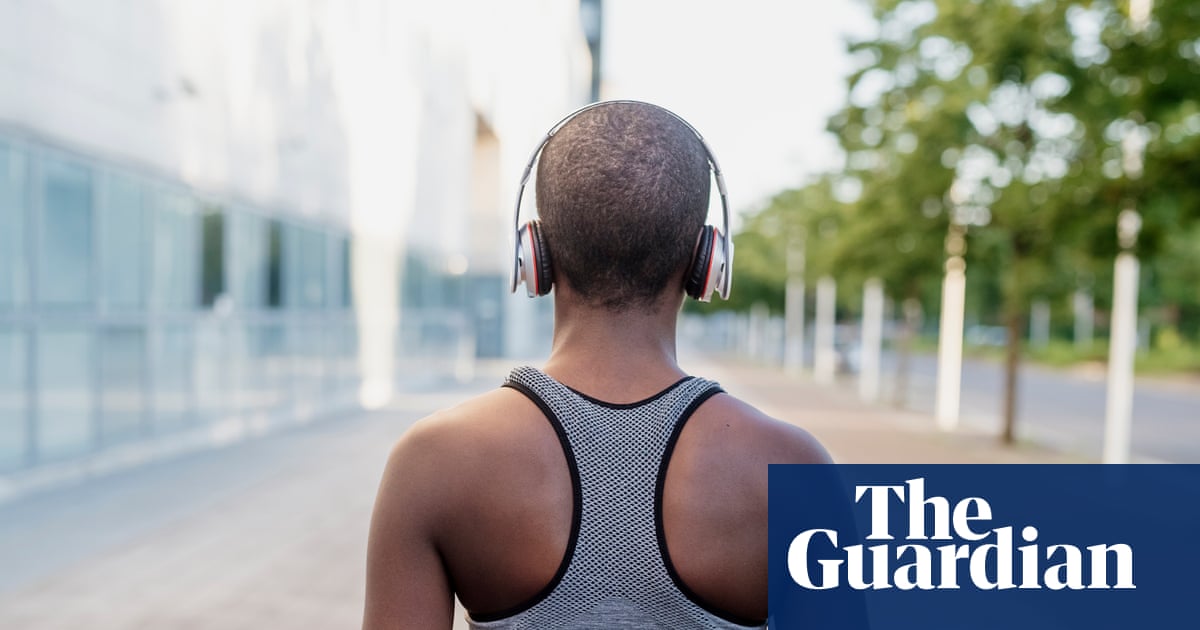
For this individual, her physical attributes—standing at 5 feet 8 inches, having a lean physique, short hair, and a deeper voice—are frequently at odds with conventional societal expectations of women. These attributes fuel the misconception that she does not conform to traditional notions of femininity. Furthermore, her preference for loose clothing and confident demeanor may also contribute to the misunderstandings she encounters.
Societal Expectations and Stereotypes
An overarching issue resides in society’s narrow definition of what constitutes a “biological woman.” The prevailing standards dictate how women should look, act, and present themselves. Paradoxically, the growing acceptance of gender identity discussions has, in some cases, led to a more rigid visual and behavioral expectation of women, which continues to confine and challenge those who do not fit neatly into these categories.
The respondent reflects on well-meaning inquiries about her pronouns, finding them somewhat dismissive of her identity. For her, the way she chooses to express herself—including her style and behavior—is not a political statement or a form of protest, but simply a reflection of her authentic self.
A Call for Broader Understanding
The experiences shared illustrate that gender non-conformity is not merely a modern phenomenon, but rather an ongoing reality for many individuals. By expanding societal perspectives on gender identity and embracing a more inclusive understanding, there is potential for reducing the stigma and discomfort surrounding gender expression.
