


Media Perspectives on Simone Biles and Transgender Athletes
Introduction
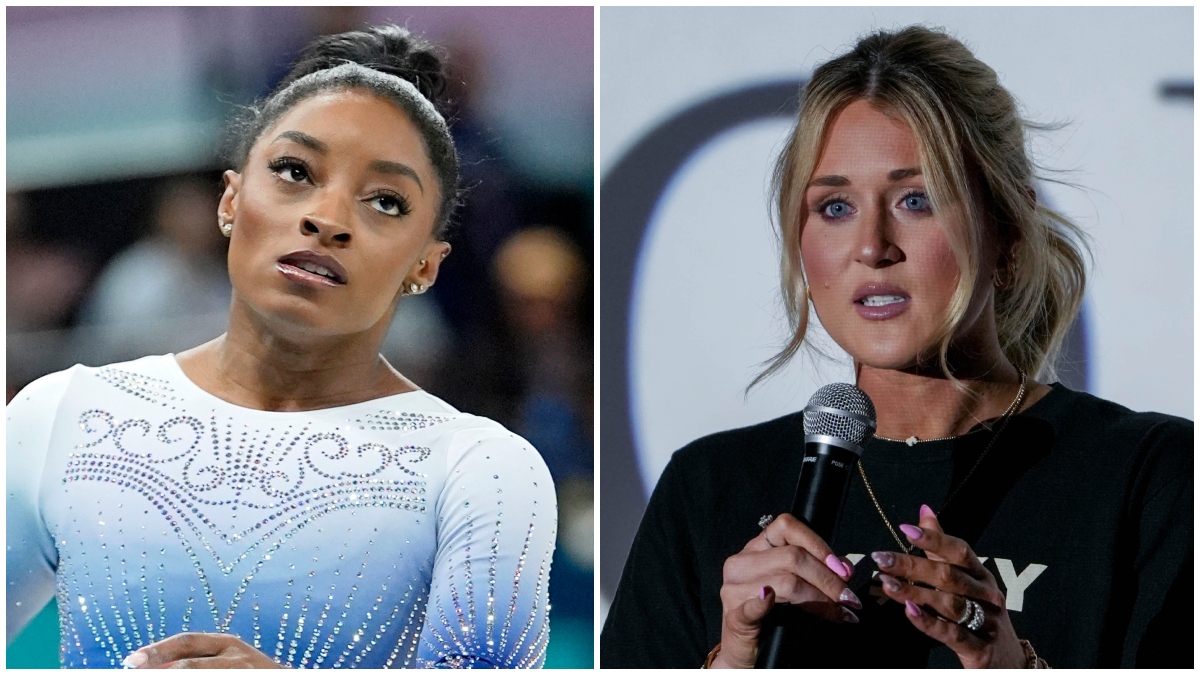
The debate over the inclusion of transgender athletes in women’s sports has gathered significant attention, especially following a recent exchange between gymnast Simone Biles and swimmer Riley Gaines on social media. This incident raises questions about media representation and its influence on public perception.
The Biles-Gaines Exchange
This latest conflict surfaced after Gaines criticized the performance of a Minnesota girls’ softball team that featured a transgender player. In response, Biles expressed her support for transgender athletes, igniting a broader conversation on gender and sports. Critics argue that Biles, whose competitive career has concluded, may not fully understand the implications of her stance.
Media Responses
Media outlets quickly took sides in the Biles-Gaines dispute. For instance, Nancy Armour from USA Today wrote a column stating that Biles “shows her greatness again in standing up for the transgender community,” while asserting there is “no scientific evidence” supporting claims of physical advantages for male athletes competing against females.
Other outlets, such as NBC News, framed Gaines negatively, describing her as someone who “lambastes and mocks transgender athletes.” This framing has drawn criticism for potentially misrepresenting Gaines’ perspective, which is rooted in advocating for women in sports.
Issues of Bias
Various media interpretations play a significant role in shaping public discourse. Some nuanced sources offered more balanced coverage but still included language that could be perceived as biased. For example, CBS referred to Gaines as a “U.S. NCAA swimmer turned conservative pundit,” which contrasts with the lack of similar labels for liberal commentary.
Conclusion: The Broader Implications
As discussions surrounding gender identity and sports continue to evolve, understanding the media’s role in these conversations is crucial. While a faction of the Democratic Party seeks to engage younger voters, the polarized portrayal of issues like the Biles-Gaines exchange may hinder meaningful dialogue. Advocates argue for a more balanced portrayal of all viewpoints in future discussions to foster inclusivity and understanding.
