


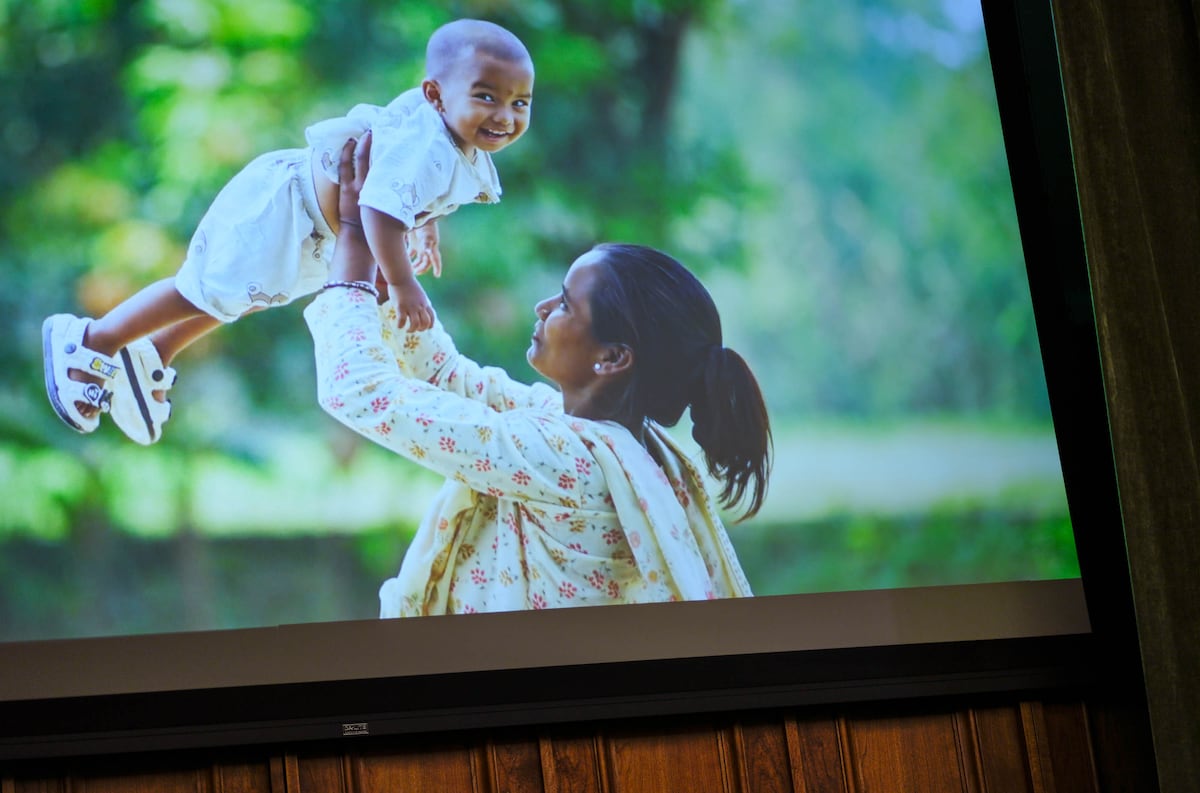
In a significant global initiative announced last year, the leadership of The Church of Jesus Christ of Latter-day Saints committed to enhancing the health and nutrition of women and children worldwide, supported by a substantial seed donation of $55.8 million.
This initiative was spearheaded by General Relief Society President Camille Johnson, alongside her board and the church’s humanitarian director, Sharon Eubank. They proposed a novel approach: rather than distributing funds to various international aid organizations individually, the church would consolidate these efforts by establishing a consortium of partners.
On Thursday, representatives from eight aid organizations met in Salt Lake City to review program outcomes and strategies within this alliance. Todd Budge, second counselor in the Presiding Bishopric, emphasized the church’s commitment to humanitarian efforts regardless of recipients’ backgrounds, stating, “It’s just a part of our DNA as a church.”
Budge described this coalition as an exciting new direction, expressing enthusiasm about the collaborative spirit among partners. Further supporting their aims, Johnson announced an additional contribution of $63.4 million for 2025.
Johnson expressed her hopes for a positive impact on the lives of women and children, saying, “We look forward to brighter futures for these women and children as we collaborate collectively in lifting and serving and blessing their lives.” This collaboration aims to ensure funds reach intended beneficiaries effectively.
The church reached out to various global organizations with an invitation to unite in this endeavor, leading to the creation of a consortium. This group will focus on 12 countries with critical needs, where local governments are more likely to adopt these initiatives.
Sarah Bouchie, president and CEO of Helen Keller International, highlighted the importance of shared values and collaboration, stating, “When you train a woman, you train a nation; when you support a woman, you support a nation, because she is a multiplier of that intervention.”
The organizations participating in this initiative include CARE International, Catholic Relief Services, iDE, MAP International, Save the Children, The Hunger Project, and Vitamin Angels, with operations planned in countries like Bangladesh, Ghana, and Zambia.
Achievements and Impact
Data from 2024 reveals significant achievements of this consortium:
- 21.2 million mothers and children received vitamins.
- 1.87 million children were screened for malnutrition.
- 1.6 million mothers were trained in optimal nutrition practices.
- 219,000 pregnant women received prenatal care.
- 141,000 families were provided seeds or training for home gardens.
- 6,800 individuals benefited from improved water and sanitation facilities.
- 159 newborns were resuscitated.
The Religious Perspective
Eubank shared that this initiative is grounded in doctrinal beliefs. She referenced teachings from the New Testament, emphasizing Jesus’s outreach to women and children. Additionally, historical context supports this endeavor, recalling how early church leaders addressed high infant mortality rates by empowering women through education and medical training.
Eubank explained, “We decided we would fund a coalition. We allowed people to choose their own coalitions… find people that have strengths where you might not have strengths, and become holistic.” This strategy seeks to maximize the impact of humanitarian aid by leveraging diverse expertise.
Local Considerations
Johnson also acknowledged the pressing needs within local communities, stating, “There are kids in Salt Lake City…with malnutrition needs and literacy needs. Whether our work is global or local, it’s equally important.”
While the Relief Society encourages its nearly 8 million members to engage in local efforts against malnutrition, it promotes individual initiatives rather than a singular directive, offering a list of 25 ways for members to contribute meaningfully.
In conclusion, the collaborative efforts of The Church of Jesus Christ of Latter-day Saints and consortium partners mark a substantial stride toward improving health and nutrition for vulnerable populations around the world. With a focus on cooperation, shared values, and targeted support, this initiative aspires to create lasting change in both global and local contexts.
