


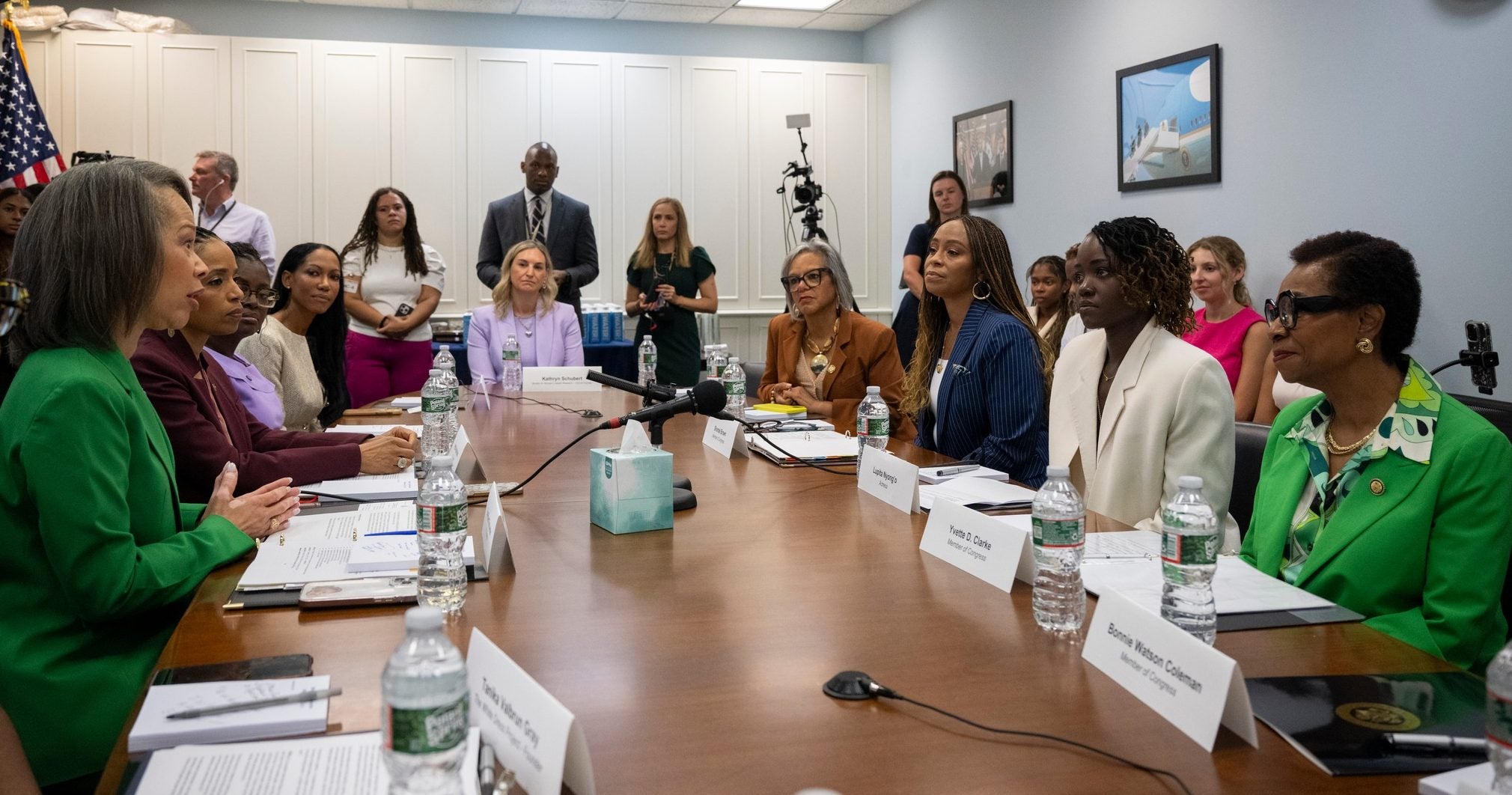

A collective of Black women legislators has launched a significant initiative aimed at tackling racial disparities in uterine health, specifically focusing on uterine fibroids and uterine cancer. This initiative was unveiled on a recent Tuesday by Senators Lisa Blunt Rochester and Angela Alsobrooks, along with Representatives Yvette D. Clarke, Shontel Brown, and Bonnie Watson Coleman.
The lawmakers introduced the Uterine Health Legislative Package, consisting of four bills designed to enhance uterine health outcomes, especially for Black women, who are disproportionately affected by these health conditions.
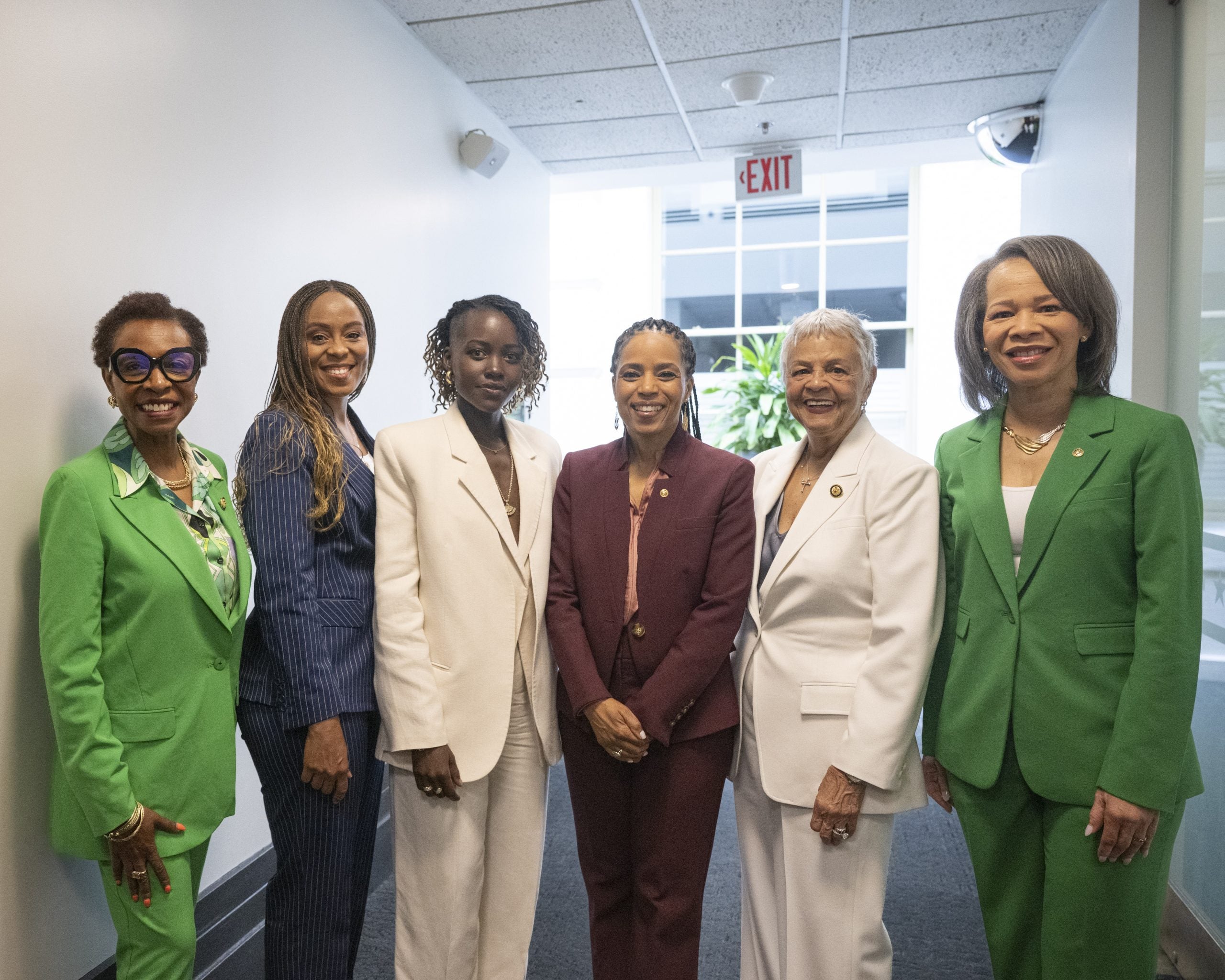
Senator Blunt Rochester emphasized the urgent need for legislative action, stating, “It is past time that Congress advances commonsense legislation that raises awareness on fibroids and uterine health. Tragically, uterine cancer impacts Black women more than any other group, and I am proud to have legislation that attempts to get to the root cause of this health disparity.”
This legislative package was announced during a roundtable discussion featuring Lupita Nyong’o, an Academy Award-winning actress and advocate for fibroid awareness. Nyong’o recounted her own health journey, stating, “In 2014 at the age of 31, I received my uterine fibroid diagnosis and was offered only two options: invasive surgery to remove them or live with the pain. I envision a different future: one with early education for teenagers, better prevention and screening protocols, robust research and less invasive treatments for uterine fibroids.”
The Uterine Health Legislative Package includes the following components:
- The Uterine Cancer Study Act: This act advocates for a federal investigation into the correlation between hair straighteners and uterine cancer, particularly within the Black community.
- The Uterine Fibroids Awareness Month Resolution: This resolution proposes July as Uterine Fibroids Awareness Month, aimed at increasing national awareness, promoting earlier diagnoses, reducing stigma, and enhancing research support.
Representative Watson Coleman highlighted the importance of these bills, saying, “These four bills are crucial for understanding, treating and preventing uterine cancer and fibroids. Fibroids and uterine cancer impact Black women at higher rates, yet sufficient medical research is still lacking. Fibroids are a public health issue, and I’m proud to join my colleagues in advancing these bills.”
Recent research conducted by the National Cancer Institute reveals alarming trends: from 2010 to 2017, uterine cancer deaths in the U.S. increased by an average of 1.8% annually, with non-Hispanic Black women facing the highest rates. More aggressive subtypes of uterine cancer saw an even higher annual increase of 2.7%. Black women experience more than double the mortality rate from both general uterine cancer and these aggressive forms compared to other groups.
In light of these statistics, Representative Clarke pointed out, “The health crisis Black women across this nation confront every day will not end unless meaningful, targeted action is taken.” She reinforced that the legislative package is a vital step toward prioritizing the uterine health of millions.
Senator Alsobrooks affirmed the need for immediate action: “For too long, uterine fibroids have plagued women, particularly Black women. We need to invest in research, raise public awareness, and develop programs for early treatment.”
The initiative has garnered backing from various advocacy organizations, including the Fibroid Foundation and the White Dress Project, both of which aim to enhance awareness regarding reproductive health issues affecting women of color.
If successfully enacted, this legislative package could facilitate early diagnosis and improve treatment options for countless women affected by fibroids and uterine cancer.
