


Korea’s 2025 Presidential Election: Analyzing the Absence of Female Candidates
Overview of the Political Landscape
The 2025 presidential election in South Korea marks a significant turning point, as it is the first occurrence in nearly 20 years where no women are vying for presidency. This notable absence raises concerns about gender representation in a country that has made tremendous strides in various sectors, including education and workforce participation.
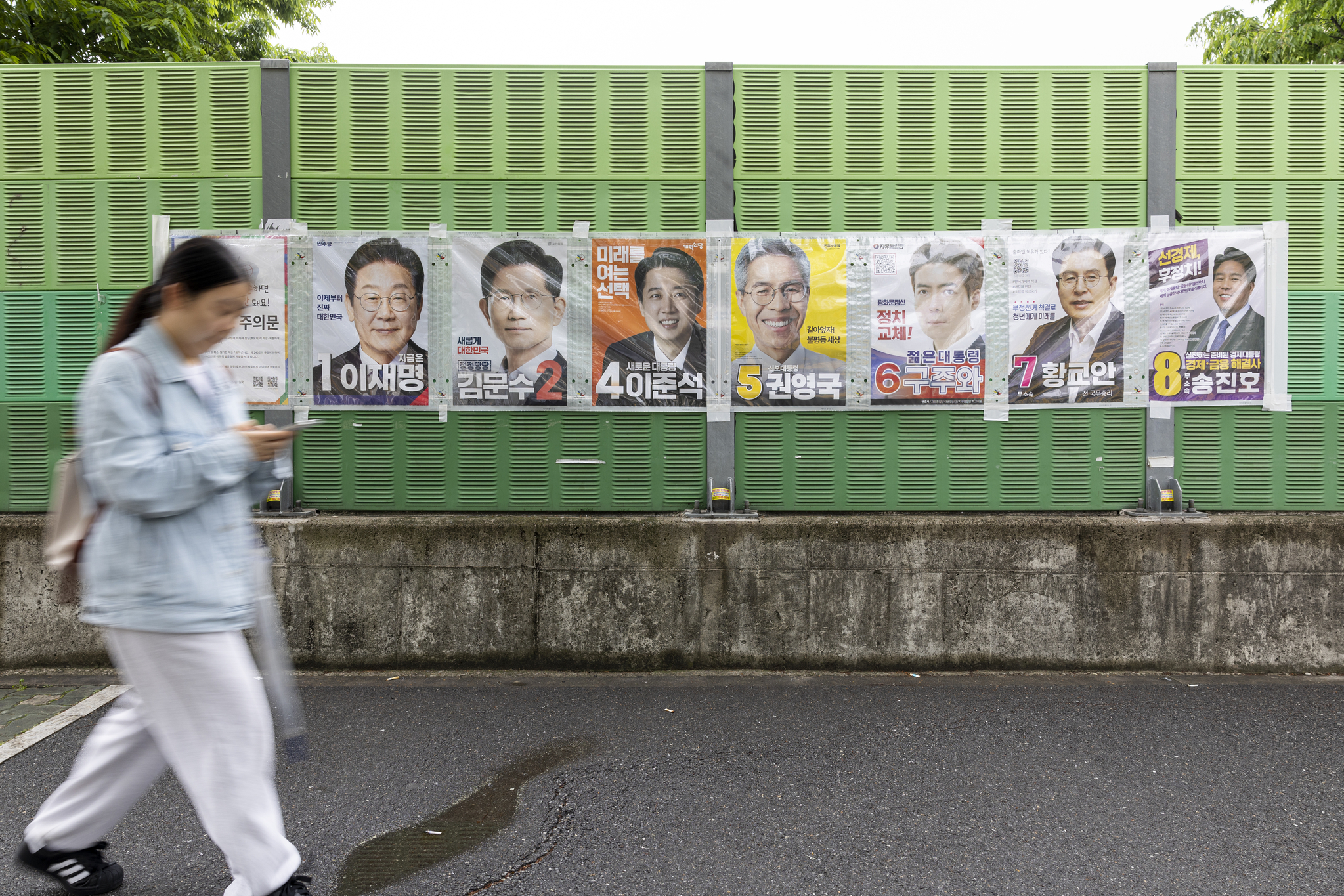
Campaign posters for Korea’s 21st presidential election are displayed in Mapo District, Seoul. [CHOI YEONG-JAE]
The Candidates: A Gender Gap
For the first time since 2007, the final presidential ballot will not feature any female candidates. Noteworthy was the attempt by Rep. Na Kyung-won from the conservative People Power Party (PPP), who did not progress beyond the primaries, while Kim Jae-yeon of the Jinbo Party withdrew after the merging of her electoral campaign with the Democratic Party (DP).
Gender Representation in Politics
Despite advancements in women’s education and participation in the labor force, their representation in political institutions remains disproportionately low. As of 2024, women occupy just 19.2% of the 300 seats in the National Assembly, well below the global average. Heo Min-sook from the National Assembly Research Service emphasized that, although South Korea is economically prosperous, it lags significantly in women’s political empowerment.
Campaign Atmosphere Lacking Women’s Policy Focus
Critics have pointed out that gender equality has not been prioritized in the major candidates’ platforms. While there were some pledges related to women’s policies, they appear inadequate when compared to previous elections. For example, Democratic Party candidate Lee Jae-myung initially focused on women’s issues, but his current campaign has scaled back significant pledges in this area.
Broader Social Implications
The absence of women in leadership roles has coincided with a significant role for women in civil society, especially during protests against former President Yoon Suk Yeol. The lack of commitment to women’s issues in political pledges is disheartening to activists and political observers alike.
Polarization and Gender in Political Debates
Debates leading up to the election have highlighted societal divisions around gender issues, particularly with rising tensions in educational spaces, such as the protests at Dongduk Women’s University against the potential admission of male students. The political discourse has often reflected these societal divides, further complicating the discussion of gender rights.
Conclusion
As the election approaches, the ongoing divergence in voting preferences between male and female voters shows little sign of convergence. Women’s support for the DP significantly outweighs that for the PPP, highlighting a growing gender divide in political allegiance. As noted by experts, regression in women’s political representation poses risks to advancing gender equality, underscoring the need for urgent attention in both policy frameworks and electoral processes.

Presidential candidates prepare for the second televised debate at KBS studio in Seoul. [NEWS1]
