


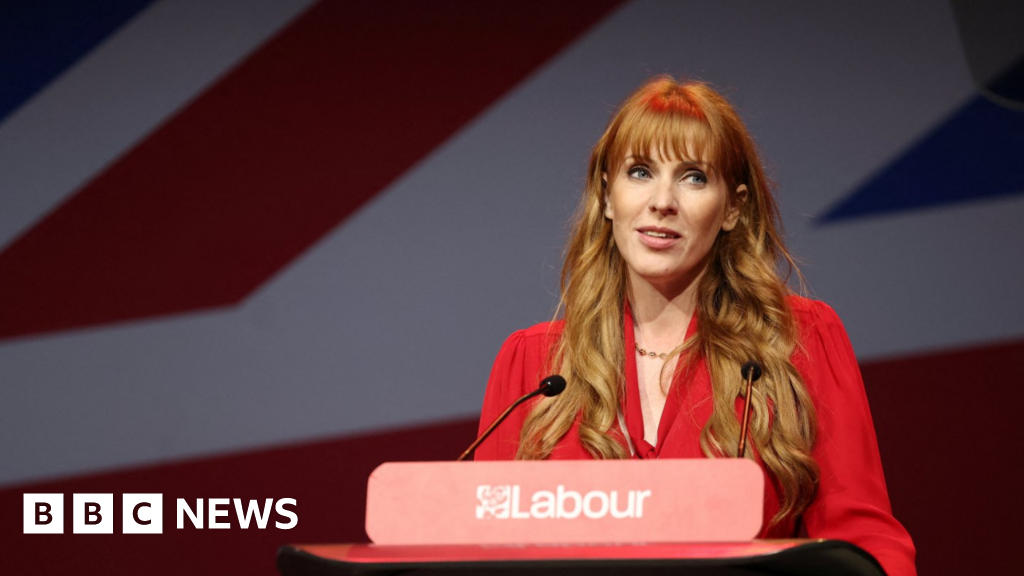
The Labour Party has announced the postponement of its annual Women’s Conference, following legal insights from a recent Supreme Court ruling that clarified the definition of a woman based on biological sex. This ruling has prompted significant discussions within the party and among the wider public.
Prior to this legal decision, the Labour Party operated under a policy that permitted individuals to self-identify as women. This had allowed trans women to attend the conference and participate in initiatives like all-women shortlists. However, the new ruling has led the party to reconsider its approach to inclusivity at this prominent event, traditionally held just before the main Labour conference.
A leaked document sent to the National Executive Committee (NEC) of the Labour Party advised that postponing the Women’s Conference was necessary. The document outlined that the only legally secure way forward would be to limit attendance to those identified as biologically female. This recommendation stemmed from concerns about potential legal challenges to the event, along with the risk of protests and increased security measures if it continued as planned on September 27.
Concerns Over Legal and Political Risks
Party officials recognized that moving forward with the conference could overshadow the main autumn conference scheduled for the following day, thereby posing greater political risks. Consequently, the NEC voted to delay the Women’s Conference and also postponed the elections for the National Labour Women’s Committee, opting to extend the terms of the current members.
Labour’s previous commitment to all-women shortlists has changed recently, as highlighted in the leaked advice paper recommending that these lists should only apply to individuals designated as female at birth. A spokesperson for the Labour Party stated that adherence to the Supreme Court’s ruling is paramount, emphasizing that the party aims to uphold dignity and respect for everyone in society.
Responses from Advocates
The decision has sparked mixed reactions from various advocacy groups. Trans rights advocates have decried the postponement as an exclusionary move aimed at isolating trans individuals within the Labour movement. Georgia Meadows, serving as LGBT+ Labour’s trans officer, critiqued the decision as a direct attack on trans rights.
Conversely, members of the Labour Women’s Declaration group, who advocate for sex-based rights, expressed their disappointment regarding the postponement. They argue that the NEC’s decision unjustly limits the ability of the broader women’s community within Labour to convene, highlighting concerns that the decision prioritizes the exclusion of a small number of trans-identified individuals over the participation of many women.
Next Steps for the Labour Party
As the Labour Party navigates this complex issue, it plans to review its policies and consult the newly released code of practice from the Equality and Human Rights Commission. This consultation will be essential in shaping future party guidelines concerning gender identity and inclusivity measures.
In addressing the current situation, the Labour Party remains committed to ensuring that any adjustments align with legal requirements while focusing on treating all individuals with respect and understanding.
