


Kuwait’s Leadership in Women’s Empowerment in Science and Technology
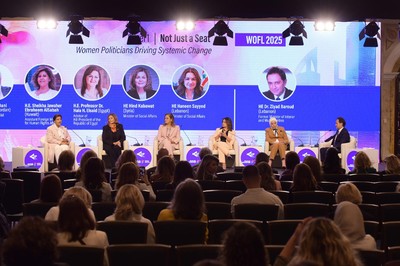
Kuwait has joined the ranks of the leading nations in women’s empowerment, particularly in the fields of science and technology, achieving a remarkable 70% empowerment rate. This assertion was made by Assistant Foreign Minister Ambassador Sheikha Jawaher Ibrahim Al-Duaij Al-Sabah during her address at the opening session of the ‘Women on the Front Lines’ conference held in Beirut on November 13.
Significant Developments in Women’s Roles
During the conference, organized by the May Chidiac Foundation, Sheikha Jawaher highlighted the substantial strides made by Kuwaiti women across various sectors over the past six decades. Key sectors mentioned include:
- Education (with both Kuwait University and Abdullah Al-Salem University headed by women)
- Energy (notably within the oil sector)
- Finance and banking
Legislation Supporting Empowerment
Sheikha Jawaher emphasized that various laws and reforms have significantly supported women’s involvement in public life. Recent legislative changes include:
- The repeal of Article 153 of the Penal Code addressing “honor killings”
- Raising the legal marriage age for girls
These measures are aimed at enhancing the societal status of women within Kuwait.
Challenges and Perspectives
Despite these advancements, Sheikha Jawaher acknowledged persistent challenges such as social bullying and exclusion that can undermine women’s confidence. Nevertheless, she noted that female representation within the government, including the Cabinet, symbolizes the country’s commitment to gender inclusion.
She further stated, “Men and women complement each other in their essential roles in society; they are partners, not competitors,” underscoring the need for merit-based appointments in public sectors.
Continued Progress and Future Directions
Currently, Kuwait has around 980 laws concerning women’s and human rights, with 10% undergoing review to further promote equality and protection. Sheikha Jawaher concluded by affirming that Arab women should not need laws to justify their societal roles, emphasizing their importance as integral members of the community.
