


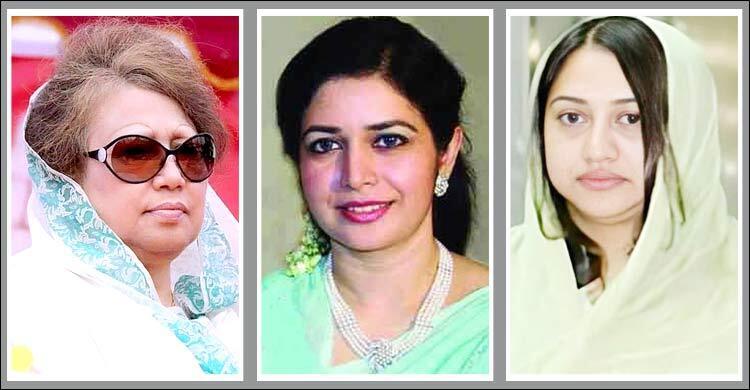
Women in Bangladeshi Politics: A New Chapter for BNP?
Bangladesh finds itself on the brink of a significant political transition, particularly within the Bangladesh Nationalist Party (BNP), a historically pivotal player where women have long held key political roles. The recent health challenges faced by Khaleda Zia, the BNP chairperson, have opened a leadership void that could pave the way for new contenders.
The Context of Leadership Change
Khaleda Zia, who has largely shaped the party’s identity through her tenure as prime minister and opposition leader, is currently confronting severe health issues. After a period of medical treatment in London, her return on May 5, 2025, raises questions about the future leadership of the party. With her son Tarique Rahman still in London under exile, the spotlight shifts to two potential successors: Dr. Zubaida Rahman and Syeda Shamila Rahman, daughters-in-law of Khaleda Zia.
The Legacy of Women in Bangladeshi Politics
Since the nation’s independence, women have taken on crucial roles in its political domain. Six of the 12 parties that have emerged victorious in national elections have been led by female leaders. Khaleda Zia’s journey from a homemaker to a political powerhouse resonates with many South Asian narratives where women step up in times of crisis, such as Indira Gandhi in India and Benazir Bhutto in Pakistan. The context begs the question: could Zubaida and Shamila follow a similar path?
Profiles of the Contenders
Dr. Zubaida Rahman: The Educated Enigma
Dr. Zubaida Rahman, the spouse of Tarique Rahman, comes from a notable political lineage, being the daughter of a former naval chief. Though her medical career was derailed in 2008, she has maintained a clean public image and holds advanced degrees in medicine and public health. Her recent role as Khaleda’s caregiver during her treatment has reignited discussions about her potential in the political arena. While party insiders suggest she could connect well with the youth of Bangladesh, her reticence and absence from the political scene pose challenges.
Syeda Shamila Rahman: The Silent Symbol
In contrast, Syeda Shamila Rahman epitomizes quiet strength. As the widow of Khaleda Zia’s younger son, she has supported Khaleda through personal hardships. Although not a public figure, her loyalty and presence within the family give her a unique position. However, her limited visibility raises questions about her readiness to step into a more prominent role.
The BNP’s Urgent Need for Leadership
The current state of the BNP underscores the need for rejuvenation and unity amidst ongoing internal disputes and previous electoral setbacks. With Khaleda’s incapacitation and Tarique’s prolonged absence, the party is in dire need of a figure who can galvanize public support in this turbulent political landscape.
Implications of Khaleda’s Return
Khaleda’s anticipated return has generated significant political buzz, with plans for a grand reception demonstrating her enduring influence. Security considerations for her family members highlight their elevated status within the party. However, critics argue that utilizing Zubaida as a potential leadership figure may be merely a tactical maneuver by Tarique Rahman to gauge the current political climate.
Challenges Ahead
Despite the intrigue surrounding Zubaida and Shamila, skepticism remains regarding their competence in navigating internal party dynamics and addressing voter concerns. Their ascension might echo criticisms often directed at dynastic politics in South Asia, as outlined by experts who caution against potential resistance from traditional party supporters. Yet, grassroots advocates are hopeful, seeing in them a continuation of Bangladesh’s legacy of female leadership during crises.
Conclusion: A Pivotal Moment for BNP
As Khaleda Zia returns to Bangladesh, the focus intensifies on how her daughters-in-law might maneuver within the political framework of the BNP. Will they uphold the family legacy, or carve out their distinct identities in a complex political landscape? Their decisions could significantly influence not just the future of the BNP but also the broader narrative of women’s empowerment in Bangladesh.
