


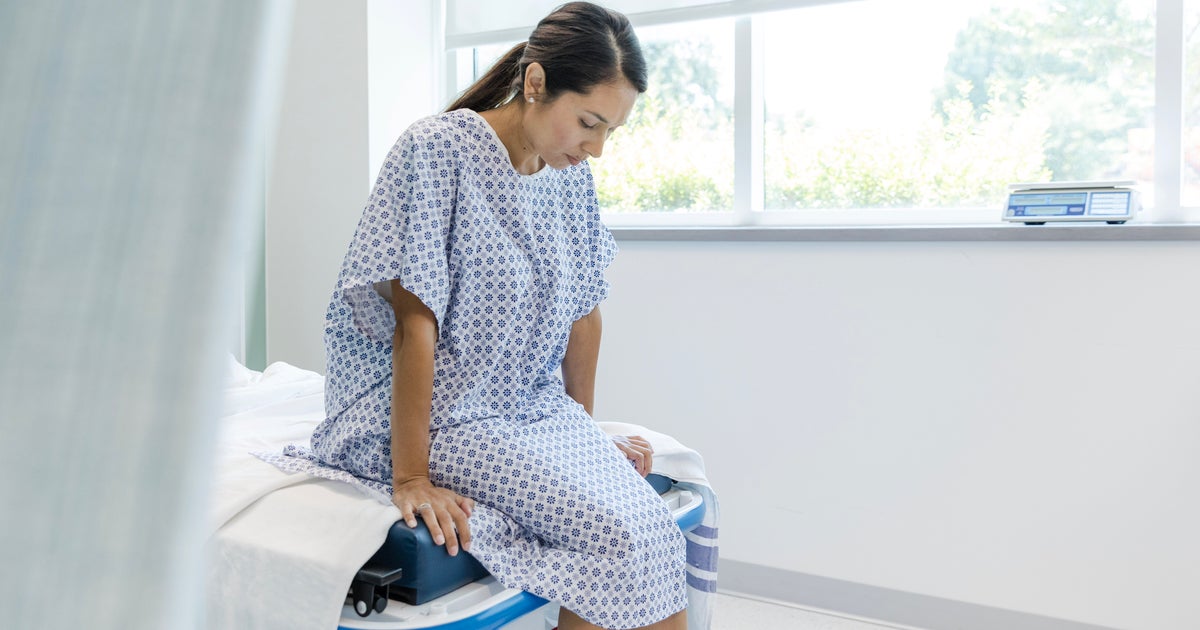
Heart Disease in Women: Recognizing Symptoms and Advocating for Your Health
The Changing Landscape of Heart Disease Awareness
Heart disease, once thought to primarily affect men, is now recognized as the leading cause of death for both men and women in the United States. Despite this increased awareness, research has often lagged behind, resulting in poorer health outcomes for women.
What Constitutes Heart Disease?
Heart disease encompasses a range of cardiovascular conditions, including coronary artery disease. This type of ailment can lead to critical situations such as heart attacks, which tend to be less understood in women compared to men.
Recognizing Heart Attack Symptoms
Chest pain remains the most prevalent sign of a heart attack among both genders. However, the experience can significantly differ. According to Dr. Jennah Morgan, an emergency medicine physician, while men often describe a “crushing” pain in the center of the chest, women might report sensations that feel more like discomfort or tightness rather than traditional chest pain.
As Dr. Bernice Fokum, also an emergency medicine physician, points out, these variances may lead to misleading self-diagnoses, with symptoms being mistaken for anxiety or stress, particularly by women.
Common Heart Attack Symptoms in Women
Some typical signs that can indicate a heart attack in women include:
- Shortness of breath
- Fatigue
- Acid reflux or indigestion
- Nausea
- Back or neck pain
Due to the vague nature of these symptoms, they are often dismissed, delaying crucial medical care that can have dire consequences.
Risk Factors for Heart Disease
Women with specific risk factors such as high blood pressure, high cholesterol, diabetes, or a family history of heart disease should be particularly vigilant. Dr. Morgan emphasizes the importance of being aware of these factors and addressing any atypical symptoms promptly.
The Importance of Self-Advocacy
Women often encounter a gap in understanding their symptoms—sometimes not taken as seriously as those presented by men, potentially leading to inadequate medical interventions. It’s crucial for women experiencing unusual health symptoms to advocate for themselves by communicating their concerns clearly to healthcare professionals.
Recognizing that it is okay to seek medical help—even if it turns out not to be a heart attack—is part of responsible health management.
When to Seek Medical Attention
If you are experiencing concerning symptoms, do not hesitate to visit a healthcare facility. Dr. Morgan advises individuals to prioritize their health by seeking immediate medical assistance if they suspect a heart problem.
For those unsure whether to go to the emergency department, a phone call to local healthcare providers can offer valuable guidance and affirm the needed steps.
Preventive Measures for Heart Health
Taking proactive steps can significantly reduce the risk of heart disease. Here are some recommendations:
- Engage in at least 150 minutes of moderate physical activity weekly.
- Maintain a balanced, high-fiber diet rich in fruits and vegetables.
- Keep track of vital health metrics such as blood pressure and cholesterol levels.
- Manage stress through activities such as meditation, social engagement, or therapy.
These lifestyle changes can help improve overall cardiovascular health and lower the risk of heart disease.
