


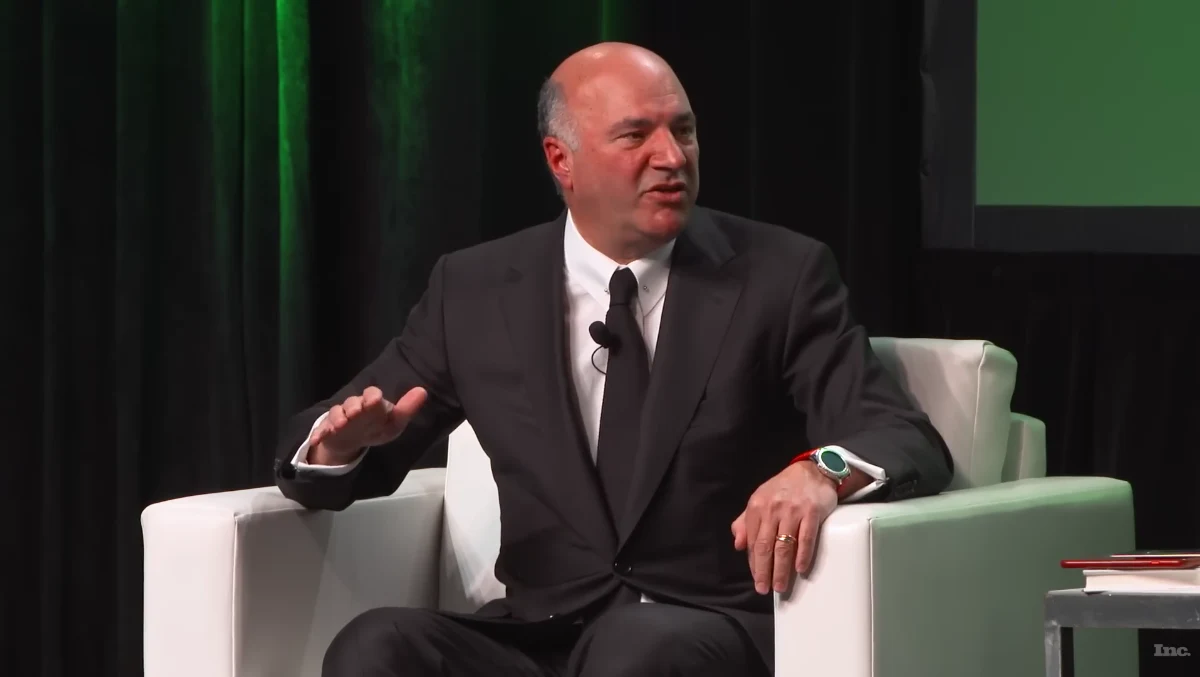
Kevin O’Leary vs. Dave Ramsey: The Prenup Debate
Kevin O’Leary, a prominent figure in the financial world, has recently taken a bold stance against popular marriage advice from Dave Ramsey. In an interview with Moneywise, O’Leary labeled Ramsey’s recommendation to avoid prenuptial agreements as “one of the stupidest ideas” he’s encountered.
While Ramsey has garnered attention as a debt management expert and marriage financial coach, O’Leary firmly believes that financial independence should never be sacrificed. He argues that a prenup serves more as a tool for safeguarding individual rights rather than an indicator of mistrust or impending divorce.
Reasons Behind O’Leary’s Argument
1. The Importance of Financial Independence
O’Leary emphasizes that many individuals fail to recognize that marriage is as much a financial partnership as it is an emotional one. Entering into a marriage without adequate financial protections, he argues, equates to placing blind faith over structural safeguards.
2. Experience and Business Insights
Drawing from his extensive business background, O’Leary asserts that financial agreements do not undermine love but rather bolster it. His investment in the company HelloPrenup exemplifies his belief that smart financial planning is crucial.
3. Evolving Nature of Marriage
O’Leary points out that societal norms around marriage have shifted dramatically. Today, dual-income households and joint financial commitments are commonplace. He argues that relying solely on trust without legal protections is simplistic and outdated.
Essential Financial Strategies for Women
O’Leary stresses a critical financial move he advises for women: maintaining control over their financial assets during marriage. He proposes that every woman should consider signing a prenuptial agreement not as a sign of distrust but as a preventive measure.
Key recommendations include:
- Keep personal bank accounts and credit lines separate.
- Establish agreements on the management of assets and liabilities.
- Understand tax implications, estate planning, and debts before marrying.
- Take an active role in financial decision-making within the marriage.
Implications for Relationships and Financial Planning
For Both Partners
O’Leary’s message promotes empowerment and autonomy in relationships. He argues that being financially prepared can alleviate stress, a common factor in marital discord.
For Ramsey’s Followers
While Ramsey’s advice has proven beneficial for many, O’Leary’s critique suggests that financial planning should be more nuanced, adapting to the complexities of modern partnerships.
For Financial Advisors
This discussion serves as a reminder for financial professionals to consider the broader implications of marriage on finances, including both asset protection and tax strategies.
Counterarguments and Considerations
Despite O’Leary’s strong opinions, some critics find his approach overly blunt. They argue:
- Prenuptial agreements may come across as unromantic or convey distrust.
- Financial structure alone doesn’t guarantee marital success; shared values are equally important.
- Emphasizing independence might compromise the teamwork aspect in marriage.
Key Takeaway
O’Leary’s outspoken critique of the anti-prenup stance provides a counter-narrative in the realm of personal finance. By arguing for financial independence and the value of structured financial planning within marriage, he suggests that protective measures like prenups are both sensible and necessary.
