


The Importance of Women in Science: A Call for Diversity in STEM Fields
Currently, women constitute just one-third of the global scientific community, with only 35% of students in Science, Technology, Engineering, and Mathematics (STEM) fields being female. This significant gender disparity prompts a vital question: What impact would increased female representation have in the scientific realm?
Personal Journey: A Path Breaking Through Barriers
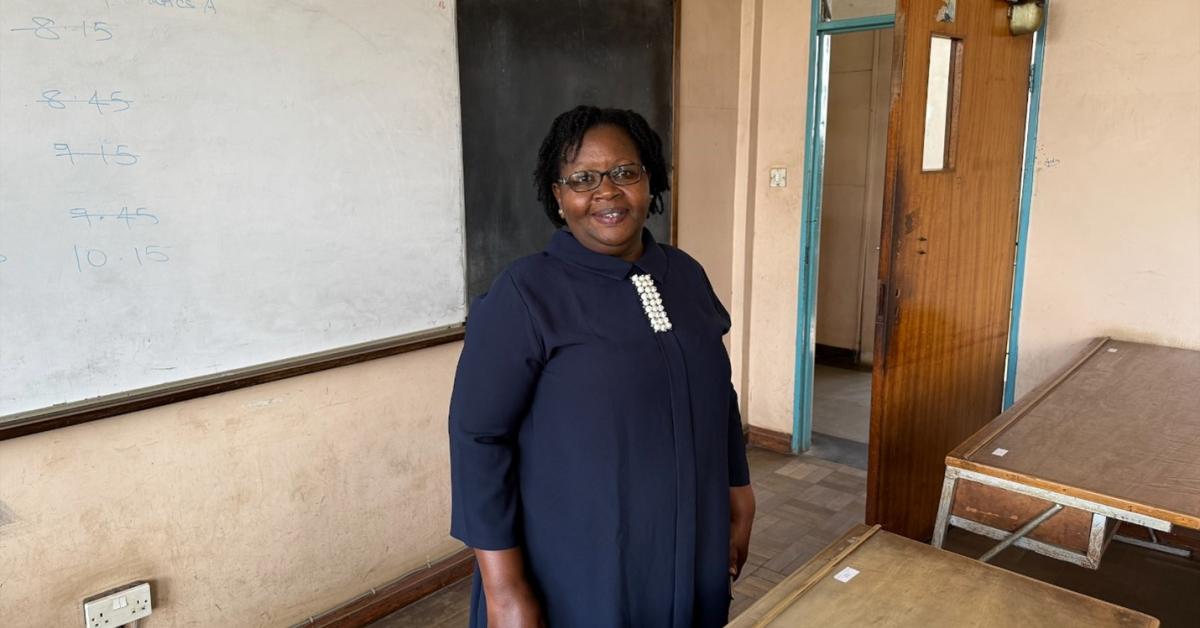
On the occasion of the International Day of Women and Girls in Science, Professor Karanja spoke with UNESCO, recounting her challenges and aspirations aimed at fostering a more inclusive scientific environment.
From High School to PhD
Professor Karanja’s fascination with geoinformatics began in high school when students were required to select career paths. Surveying caught her interest, though she noted a lack of female participation in the field. Driven by curiosity, she embarked on this path, ultimately evolving her passion into geoinformatics—a choice she has embraced wholeheartedly.
Navigating a Male-Dominated Field
Describing her educational and career experience, Professor Karanja highlighted a mix of excitement and challenges. The absence of female role models often made the journey tougher. Nonetheless, the support she received from her male peers, combined with her determination and self-belief, played a crucial role in her perseverance. “Even as a student, I was one of only two girls in my class, but our male classmates were supportive and encouraging,” she recalled.
Foundations of Inspiration
Her primary inspirations, her parents, emphasized the importance of education for girls. With her father as a teacher and her mother as a farmer, their encouragement laid the groundwork for her future achievements and aspirations.
Envisioning a Gender-Balanced Scientific Community
The potential benefits of increased female participation in science are vast. “More women in science would mean diverse perspectives in the design of infrastructure, equipment, and technology,” Professor Karanja stated. This inclusion would ensure that women’s needs and experiences are represented in scientific solutions, creating a more innovative landscape. She emphasized that neglecting half the population is not a viable option; co-creation is essential.
Closing the Gender Gap in Science
Professor Karanja suggests several interventions to tackle the gender gap in science:
- Mentorship: Engaging in mentorship programs can help guide young girls toward STEM paths, as exemplified by her involvement with UNESCO’s initiatives since 2014.
- Resource Allocation: It’s crucial that schools, particularly those for girls, receive equal resources to support scientific education.
- Stereotype Elimination: Families and institutions must actively work to dismantle stereotypes that hinder girls from pursuing careers in science.
A Message for Aspiring Scientists
Professor Karanja inspires young women and girls by affirming that science is a domain open to everyone. “Women and girls are not just participants: We are innovators and pioneers.” She encourages them to believe in themselves, remain focused, and create empowering environments. The mindset shift is crucial: science is for all, and everyone has the potential to excel in it.
The Role of UNESCO in Promoting Gender Equality
UNESCO plays a pivotal role in championing science education and supporting women in STEM. Through various mentorship programs and partnerships, the organization actively works to increase female representation in scientific fields, ensuring continuous progress toward narrowing the gender gap in science.
