


Starmer Criticized for Silence on Trans Rights Protests Following Supreme Court Ruling
Overview of Protests
Following a Supreme Court ruling regarding the definition of “biological women,” demonstrators supporting trans rights gathered in London. During these protests, several statues were defaced, raising concerns among various observers.
Starmer’s Response
In a recent session of Prime Minister’s Questions, Labour leader Sir Keir Starmer addressed the Supreme Court ruling, urging for a reduction in tensions surrounding the debate. He reinforced the importance of treating trans individuals with respect and dignity, stating, “It is time to lower the temperature” and “move forward.”
Criticism from Advocates
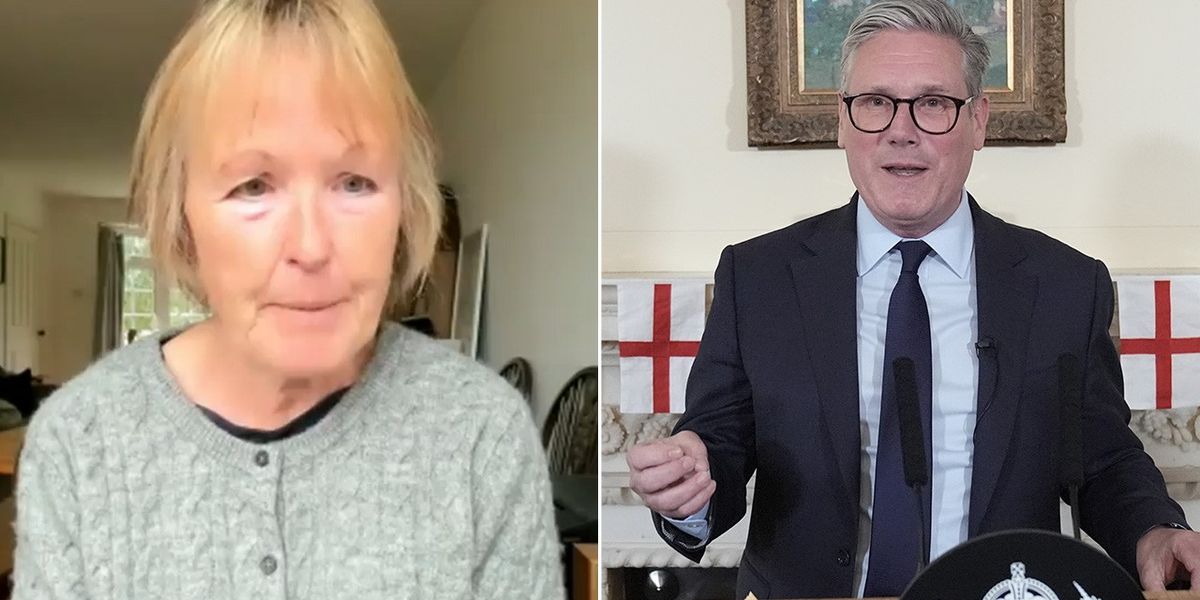
Stephanie Davies-Arai, Director of Transgender Trend, expressed her disappointment with Starmer’s lack of condemnation for the protests, labeling his silence as “appalling.” She noted that demonstrators displayed “real incitement to violence against women,” highlighting the need for clearer guidance from political leaders in such tumultuous times.
Concerns Over Misogyny
Davies-Arai criticized the slogans and banners used by protestors, calling it a missed opportunity for Starmer to address the evident misogyny that emerged during the demonstrations. “It would be nice if he wants to dial down the temperature to make some comments. He hasn’t said anything about it,” she emphasized.
Expectation for Leadership
Davies-Arai further insisted that Starmer is in a position to clarify the implications of the Supreme Court’s ruling, especially after a history of confusion stemming from activism in the trans community. “He should be making it really clear,” she said, asserting that the ruling restores clarity on women’s rights.
Clarity on Women’s Rights
According to Davies-Arai, the earlier interpretation of the law had led to a loss of rights for women over the past twelve years. She stated that “the Equality Act meaning of the word woman must be biological female.” This stance emphasizes the need for defined spaces for biological females to safeguard their rights under anti-discrimination laws.
