


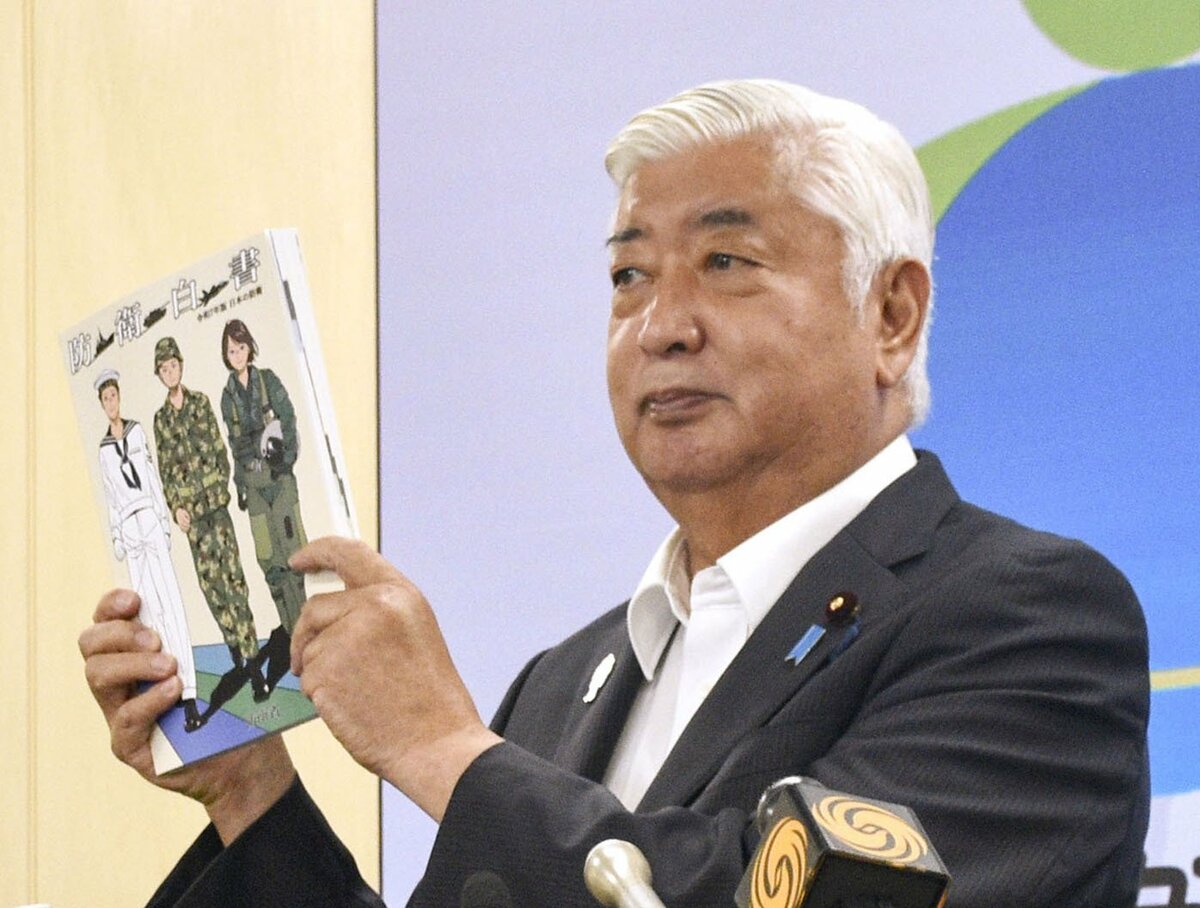
Japan’s Defense Ministry has announced a significant policy shift, eliminating the remaining work restrictions for female members of the Self-Defense Forces (SDF). Starting in August, women will now be allowed to serve in specialized units that handle nuclear, biological, and chemical (NBC) weapons defense, reflecting advancements in safety equipment.
New Opportunities in Self-Defense Forces
This change within the Ground Self-Defense Force (GSDF) follows similar updates in both the maritime and air defense divisions. The GSDF’s newly inclusive policy marks an important step in addressing gender disparities within the Japanese military.
Roles and Responsibilities
Units within the GSDF are tasked with crucial missions that include decontaminating areas affected by hazardous materials as well as conducting reconnaissance in areas contaminated by biological and chemical agents. Historically, female personnel had been restricted from these roles due to concerns surrounding potential health impacts, specifically infertility.
Impact of the Fukushima Disaster
The need for this policy update became clear following the 2011 Fukushima Daiichi nuclear disaster. The incident, which was precipitated by a massive earthquake and tsunami, highlighted the limitations of relying solely on male personnel for decontamination tasks. This experience underscored the necessity of incorporating female members into mission-critical roles.
Technological Advances Enable Change
The Defense Ministry has reassessed its stance based on recent technological advancements that enhance the safety of female SDF members. Improved protective gear and specialized vehicles will help limit exposure to dangerous materials, thereby facilitating women’s involvement in these demanding tasks.
Progress in Gender Equality
The decision to lift the remaining restrictions follows a broader commitment to gender equality in the SDF, which began with a review of policies in 1993. This review opened the path for women to take on increasingly complex roles, including:
- Allowing women to pilot fighter jets and reconnaissance aircraft as of 2015.
- Permitting women to serve on submarine crews starting in 2018.
- Expanding female deployment in combat vehicles since 2017.
Conclusion
The recent changes reflect a progressive approach toward diversifying roles within Japan’s Self-Defense Forces. As female personnel integrate into high-stakes missions, this policy evolution not only enhances operational capacity but also symbolizes a broader commitment to equality in military service.
