


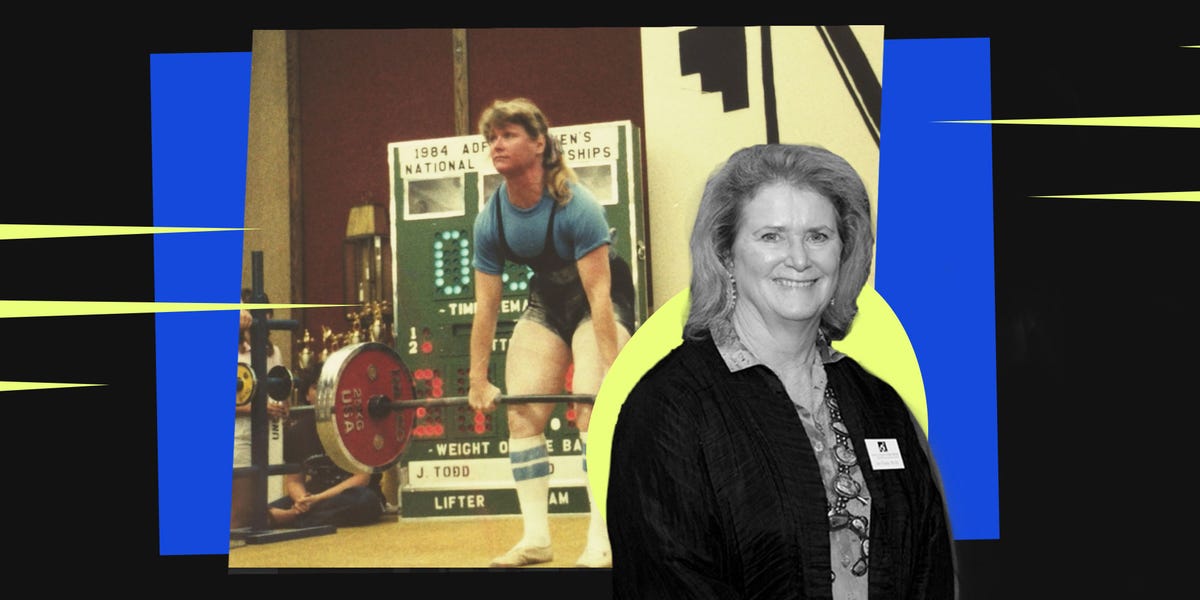
Jan Todd: A Pioneer in Women’s Strength Training
On May 3, 1975, in Chattanooga, Tennessee, Jan Todd, a 22-year-old powerlifter, etched her name in history by breaking the world record in women’s deadlifts. This moment marked a significant milestone in the evolution of female athleticism.
A Historic Achievement
Prior to Todd’s achievement, the deadlift record stood at 392 pounds, set by Jane de Vesley in 1926. Todd surpassed this mark with a deadlift of 394.5 pounds, a small but significant 2.5-pound difference that symbolized a new era for women in weight training.
The Cultural Context of Strength Training
Historically, strength training enjoyed a brief popularity among Victorian women, driven by health reform movements advocating physical activity for women. However, by the 20th century, societal attitudes shifted, leading to a decline in women’s participation in strength sports due to the prevailing belief that heavy lifting was unsafe for women.
Redefining Women’s Athletics
With her record-breaking lift, Todd became a powerful symbol during a time when men’s bodybuilding started gaining mainstream acceptance, illuminated by the publication of “Pumping Iron.” Amidst this shifting cultural landscape, Todd’s pioneering spirit inspired many women to explore strength training as a path to empowerment.
Legacy and Impact
Todd’s influence extended beyond her lifting achievements; she laid the groundwork for women’s bodybuilding and powerlifting competitions in 1977 and contributed to the participation of women in Olympic weightlifting, beginning in 2000. Todd’s legacy continues through the achievements of contemporary female athletes like Ilona Maher and Serena Williams.
A Lasting Influence
Throughout her competitive career, Todd amassed numerous records, earning the title of “the strongest woman in the world” by the Guinness Book of World Records. Her accomplishments were recognized in major media, including an insightful profile in Sports Illustrated. Todd explained her motivation simply: lifting weights kept her “in pretty good shape” and satisfied her “fascination in what is difficult.”
Advancements in Women’s Fitness
Even after retiring, Todd remained a prominent advocate for women’s strength training, achieving a PhD and establishing herself as an academic historian at the University of Texas at Austin. Her scholarly work highlights a nearly forgotten history of rigorous physical training for women in the Victorian era, which she details in her book, Physical Culture and the Body Beautiful: Purposive Exercise in the Lives of American Women 1800–1870.
Conclusion
As Todd transitions to her role at the H.J. Lutcher Stark Center for Physical Culture and Sports, her contributions will undoubtedly continue to resonate in the world of women’s fitness. She has shown that strength training is not merely a modern trend but a vital part of women’s cultural heritage and potential.
