


Unity at Jamaat-e-Islami’s Central Office: A Meeting with US Officials
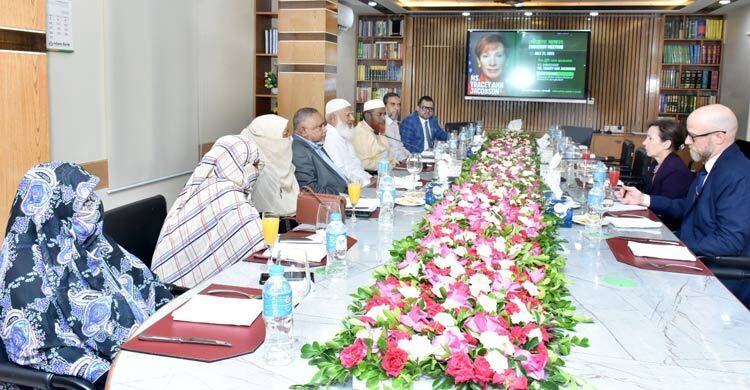
On July 21, the central office of Jamaat-e-Islami in Moghbazar buzzed with a notable moment of unity, as party leaders, including representatives from the women’s department, convened with Tracy Ann Jacobson, the US Embassy’s Charge d’Affaires.
Key Attendees and Topics Discussed
The meeting featured prominent leaders from both genders, including Jamaat Amir Dr. Shafiqur Rahman, alongside female leaders such as:
- Assistant Secretary Sayeeda Rumman
- Central Working Committee Member Professor Dr. Habiba Chowdhury Sweet
- Former MP Dr. Amina Rahman
The gathering was characterized by open dialogues on critical issues, notably US tariffs on Bangladeshi goods, electoral reforms, and the future of democracy in the country.
A Symbol of Women’s Empowerment
The presence of women leaders was more than symbolic; it indicated a shift towards inclusive discourse within Jamaat’s policy discussions. They participated actively in deliberations regarding election reforms and security, thus emphasizing their integral role in the party’s direction.
US Tariff Concerns and Economic Impact
Dr. Shafiqur Rahman highlighted concerns regarding the imposing 30% tariffs by the US, which threaten the garment industry—a crucial sector for many families in Bangladesh. “Our amir made a special request to the US president and government through the ambassador to reconsider these tariffs,” noted Dr. Syed Abdullah Md Taher, naib-e-amir.
Dr. Amina Rahman afterward communicated the personal repercussions of such policies, remarking, “Garments aren’t just exports; they’re jobs, families, dreams.”
Political Reforms and Stability
During the meeting, the representatives articulated Jamaat’s stance for a fair electoral process and sweeping reforms. Dr. Taher reiterated, “We want to build a corruption-free Bangladesh,” underscoring a commitment to ethical governance and stable foreign relationships.
Commitment to Peace and Cultural Values
Addressing regional security, Taher emphasized Jamaat’s firm opposition to terrorism and its dedication to national stability. Professor Habiba reiterated the desire for peace, stating, “We want peace and progress, but not at the cost of our values.” The meeting also expressed reservations about the UN Human Rights Commission’s presence in Dhaka, with Taher firmly stating, “If it goes against our culture or religious teachings, we will oppose it.”
Conclusion: A Vision for the Future
As the discussions concluded, the participants underscored their collective vision for Bangladesh: “We spoke for a fair, free Bangladesh,” Dr. Taher asserted. For the women leaders, it was not just a meeting; it was a testament to their commitment to shaping a resilient and inclusive future for their nation.
