


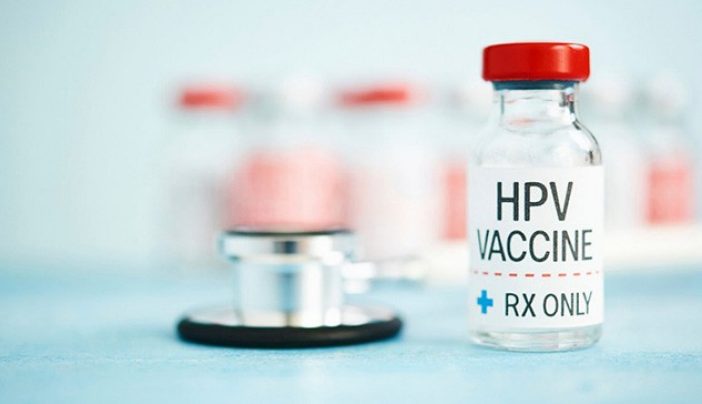
Understanding HPV Vaccine Recommendations by Age
The Human Papillomavirus (HPV) vaccine is crucial for preventing various strains of HPV, which can lead to significant health issues, including certain cancers. Early vaccination is emphasized for maximum efficacy, particularly before potential exposure to HPV.
Vaccine Guidelines Across Age Groups
The recommendations for HPV vaccination vary by age, reflecting the vaccine’s effectiveness when administered before exposure. Here’s a breakdown based on different age groups:
Ages 9 to 14
The Centers for Disease Control and Prevention (CDC) advises that children ages 9 to 14 should receive two doses of the HPV vaccine spaced 6 to 12 months apart. Dr. Ramondetta notes the importance of completing the vaccination before the age of 13, as the risk for HPV exposure rises with age.
- First dose can be received as early as age 9.
- The second dose may coincide with other recommended vaccinations at age 11.
For children who are immunocompromised, three doses are recommended up to age 26.
Ages 15 to 26
Individuals aged 15 to 26 who have missed the earlier vaccination window are encouraged to get vaccinated with three doses over a 6-month period. Dr. Ramondetta emphasizes that while the older you are, the higher the chance of prior exposure, the benefits of vaccination still apply.
- Vaccination remains beneficial even if started later, although it may be less effective.
Ages 27 to 45
For adults ages 27 to 45, the decision to receive the HPV vaccine should be discussed with a healthcare provider, especially if at risk for new HPV exposure. The vaccine offers protection against nine strains of HPV, which may still be relevant even if prior exposure has occurred.
Dr. Ramondetta provides insight: “If you are in this age group and have potential new sexual partners, the vaccine is advisable.” Additionally, healthcare workers exposed to patients with HPV-related diseases should consider vaccination.
Ages 45 and Older
The HPV vaccine is not recommended for individuals over the age of 45. Dr. Ramondetta explains that this likely results from decreased probability of vaccine effectiveness due to potential prior exposure.
The Importance of Completing Vaccination
To achieve the best immune response, adherence to the appropriate dosing schedule is essential:
- 2 doses within a 6- to 12-month period for those aged 9 to 14
- 3 doses over 6 months for immunocompromised individuals aged 9 to 26 and for those aged 15 to 45
Dr. Ramondetta remarks, “If you don’t complete the vaccine series, you may not be fully protected.” For those under 26 who have started but not completed the series, it is recommended to finish based on when the first dose was received.
HPV Testing and Ongoing Health Monitoring
Despite vaccination, it remains critical to engage in regular HPV screenings, as the vaccine does not cover all HPV types. Recommended screening guidelines include:
- Women aged 21 to 29 should have a Pap test every three years.
- Women aged 30 to 64 should undergo an HPV test every five years or a Pap test every three years.
Currently, no HPV test is available for men. Regular screenings can aid in early detection of HPV-related health issues, enhancing treatment efficacy.
For appointments or further inquiries, contact MD Anderson at 1-877-632-6789.
