


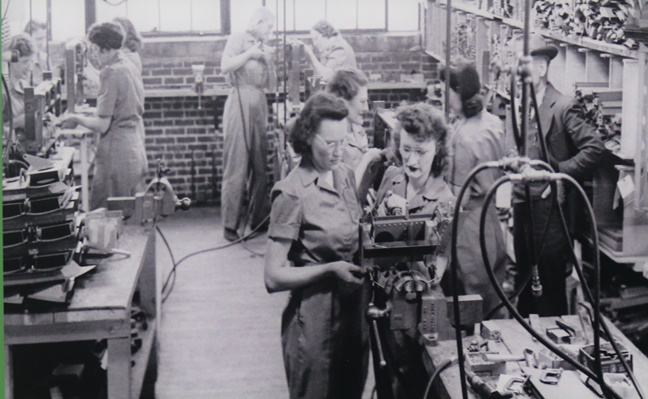
Celebrating the Legacy of Iowa’s Rosie the Riveters
On Saturday, the contributions of women in Iowa during World War II will be commemorated at Wilson Brewer Park in Webster City. The event titled “Rosie the Riveters of Iowa” will be presented by author Linda Betsinger McCann, who has extensively researched the experiences of women who stepped into manufacturing roles during this pivotal time.
Event Details
The presentation will take place at 1 p.m. at the Mulberry Center Church. Doors will open at 12:30 p.m. Although admission is free, donations will be accepted to cover program-related expenses.
A Journey of Research
McCann began her research soon after the onset of the COVID-19 pandemic, interviewing 35 women who were instrumental in the labor force during the war. Most of these women were in their 80s and 90s at the time of the interviews, lending their firsthand accounts to McCann’s project.
The Impact of Women Workers
The need for female labor surged in 1942, as industries across Iowa required skilled workers to fill the gap left by men enlisted in military service. “I was completely shocked how many (Iowa) factories we had with military contracts during World War II,” McCann remarked. She discovered that there were as many as 70 factories engaging in military work within the state.
“We Can Do It!” and the Iconic Rosie
In popular culture, the image of “Rosie the Riveter” became a rallying symbol for women entering the workforce. Originally created for Westinghouse by artist J. Howard Miller, the poster featuring a muscular woman in a red polka dot bandana exemplified women’s capabilities in traditionally male-dominated roles. While it served as a recruitment tool for wartime industries, it has transcended time to become an emblem of female empowerment.
Challenges Faced by Women
Despite the strides made, workplaces were often ill-equipped for the influx of female employees. McCann noted that early female workers faced basic challenges such as the absence of women’s restrooms and a lack of human resources support. The transition to include women in the workforce was not straightforward, as societal norms were still adjusting to the changing landscape.
Learn More
McCann’s findings are documented in her newly published book, which she will have available for those interested in deepening their understanding of Iowa’s “Rosie the Riveters”. This unique event presents an opportunity to celebrate an essential yet often overlooked aspect of history.
As the contributions of these women continue to resonate through generations, McCann invites the community to join her in recognizing their significant roles during the war. For those wanting to learn more about this chapter in history, be sure to attend the presentation.
