


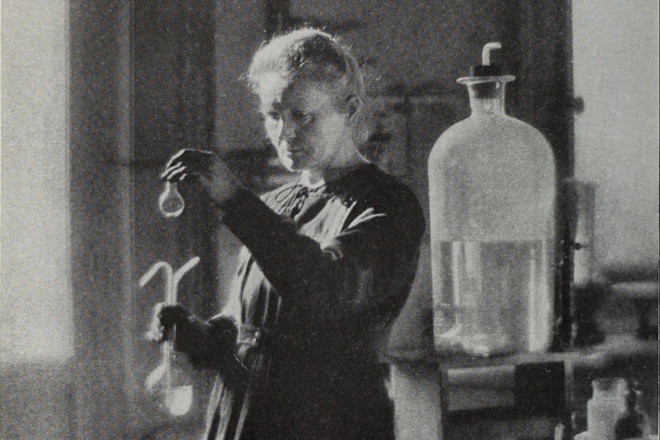
Remarkable Female Scientists Who Transformed Science
When discussing the greatest scientists in history, names like Albert Einstein and Isaac Newton often dominate the conversation. While their contributions were monumental, it is crucial to recognize the exceptional women who have also played an integral role in shaping scientific advancements, often in the face of considerable challenges.
This article highlights several iconic female scientists whose groundbreaking work has influenced various fields, providing new insights and technologies that continue to impact our lives today.
Pioneers of Science: Celebrating Women’s Achievements
Throughout history, women have persisted in science, overcoming societal barriers and biases while making significant contributions that advanced our understanding of the natural world. Below are some of the most influential female scientists whose legacies deserve recognition.
Ada Lovelace: The First Computer Programmer
Born in December 1815, Ada Lovelace was an English mathematician known for her groundbreaking work on the Analytical Engine designed by Charles Babbage. Despite the lack of formal degrees for women of her time, her analytical notes on this early mechanical computer are considered the first computer algorithms.
Marie Curie: A Revolutionary in Radioactivity
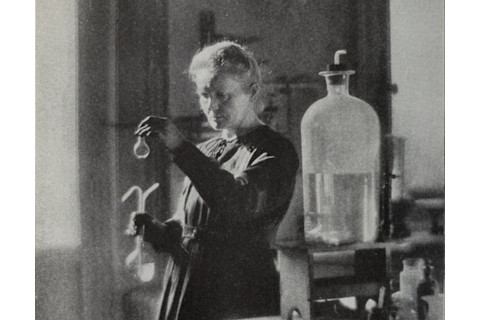
Marie Curie, born in November 1867, made significant contributions to physics and chemistry through her pioneering research on radioactivity. She was the first woman to receive a Nobel Prize and remains the only person awarded Nobel Prizes in two different scientific fields—Physics and Chemistry. Her work paved the way for advancements in medical technology, notably in the development of X-rays.
Janaki Ammal: A Trailblazer in Botany

Janaki Ammal, born in 1897, was India’s first female plant scientist who made remarkable contributions to genetics and plant breeding. A graduate of Madras and U.S. universities, her work significantly advanced the understanding of plant cytogenetics. She was recognized with several accolades, including the Padma Shri award, for her achievements.
Chien-Shiung Wu: The First Lady of Physics

A Chinese-American physicist, Chien-Shiung Wu, born in 1912, is best known for her work during the Manhattan Project and her groundbreaking experiments that challenged established theories in physics, despite her contributions often being overlooked in favor of her male colleagues.
Katherine Johnson: A NASA Mathematician

Katherine Johnson, born in August 1918, was instrumental in calculating trajectories for NASA’s early space missions. Her ability to overcome racial and gender barriers in a male-dominated field earned her the Presidential Medal of Freedom and highlighted her crucial role in the success of missions like Apollo 11.
Rosalind Franklin: The Unrecognized Pioneer of DNA
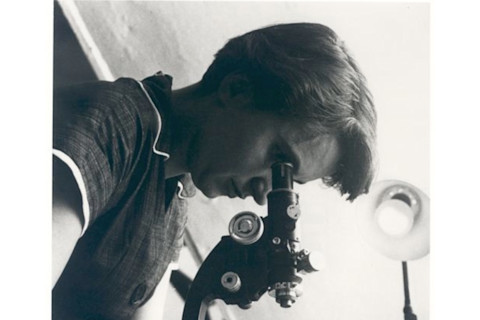
Known for her critical work on the structure of DNA, Rosalind Franklin’s research in the 1950s contributed significantly to the discovery of the double helix. Despite her pivotal role, her contributions were not properly acknowledged during her lifetime.
Vera Rubin: Discoverer of Dark Matter

Vera Rubin, an astronomer born in 1928, made groundbreaking observations about galaxy rotation rates, providing crucial evidence of dark matter. Her contributions have had lasting impacts on astrophysics, although she did not receive a Nobel Prize, which many believe was warranted.
Gladys West: The Mathematician Behind GPS
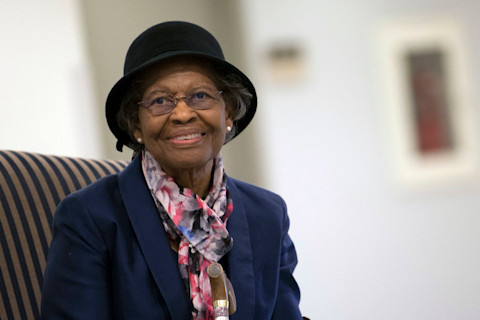
Dr. Gladys West, whose work in mathematical modeling laid the groundwork for the GPS technology we rely on today, was honored by being inducted into the U.S. Air Force Space and Missile Pioneers Hall of Fame. Her research significantly contributed to satellite technology and geospatial studies.
Flossie Wong-Staal: A Leader in HIV Research
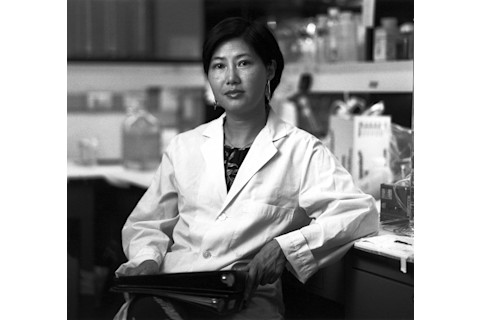
Flossie Wong-Staal, a prominent virologist, was the first to clone HIV, significantly advancing the understanding of the virus and leading to the development of critical diagnostic tests. Her influence in biomedical research is widely acknowledged within the scientific community.
Jennifer Doudna: Pioneer of CRISPR Technology

Jennifer Doudna, born in 1964, co-developed the CRISPR-Cas9 technology, a revolutionary method for editing genes that holds the potential to transform genetic research and therapies. Her innovations earned her the Nobel Prize in Chemistry in 2020, marking her as a leading figure in modern science.
Conclusion
The contributions of women in science have been monumental, enriching various fields and paving the way for future generations. By recognizing and celebrating these exceptional individuals, we not only honor their accomplishments but also inspire upcoming scientists to strive for excellence in their pursuits.
Further Reading
For detailed explorations about these remarkable scientists and their work, consider visiting reputable sources on women’s achievements in STEM fields.
