


The Legacy of Marie Curie: Pioneer of Radioactivity
Introduction: A Personal Reflection on Marie Curie
In a previous article, I delved into the accomplishments of Ada Lovelace, widely acknowledged as the world’s first computer programmer. However, another scientist, Maria Skłodowska-Curie, resonates more deeply with me as a personal icon. Curie has left an indelible mark on the scientific landscape and persists as a source of inspiration.
Early Inspirations
My appreciation for Curie began in elementary school in Poland where I learned about her impactful scientific endeavors early on. Curie’s achievements in a male-dominated field opened doors for countless women and continue to inspire a sense of possibility.
Both Curie and I share similar backgrounds; born in Poland during a tumultuous time, the cultural ramifications of Russian control influenced our educational journeys. Unlike many, I was surrounded by positive reinforcement that encouraged women in the sciences, predominantly due to Curie’s legacy.
Transitioning into Science
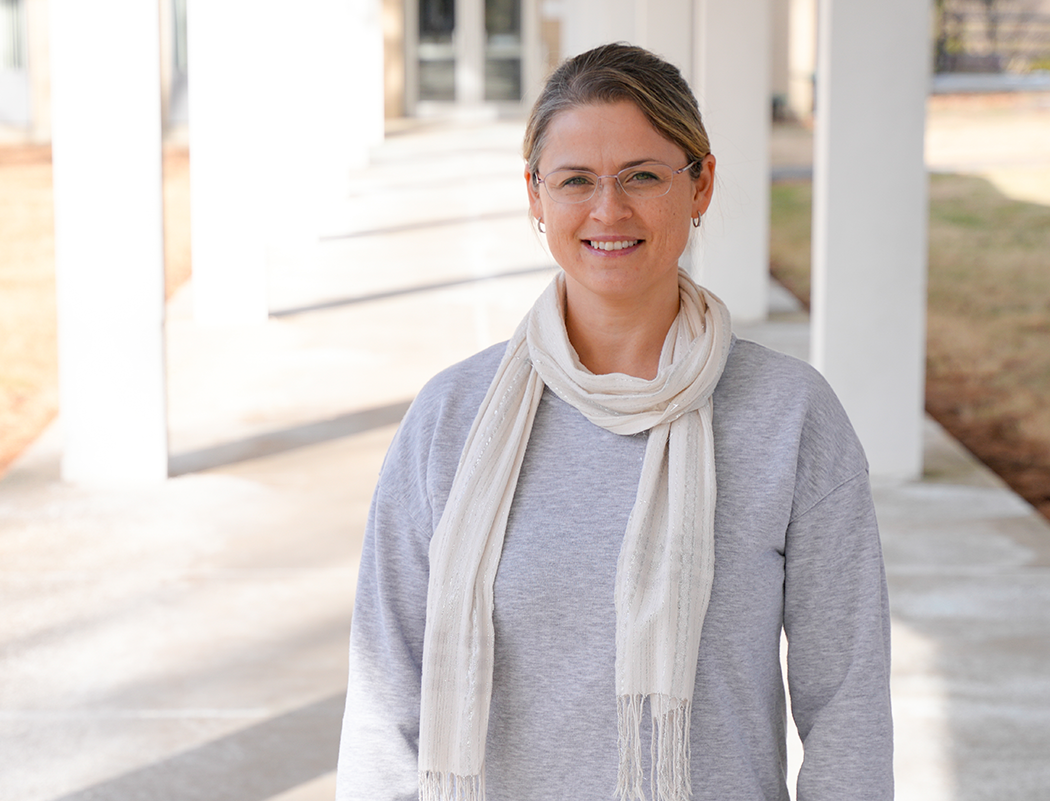
After initially training as a math and computer science educator, my love for inquiry led me to pursue a Ph.D. in physics. My research now merges artificial intelligence and computer vision with quantum technology—a field that may one day revolutionize tasks such as drug design and complex simulations.
In both my professional and personal life, I have an understanding partner who shares my scientific interests. We engage in discussions and co-author papers, much like the collaboration between Marie and Pierre Curie.
Marie Curie’s Early Life and Education
Born on November 7, 1867, in Warsaw, Poland, Curie was the youngest of five daughters in a family dedicated to education despite harsh political climates. Her father’s commitment to teaching was undermined by Russian authorities, yet his passion deeply influenced young Marie.
Life in Paris: Scientific Breakthroughs
Curie’s journey took her to the Sorbonne in Paris in 1891, where she encountered both opportunity and adversity. She graduated with top honors, earning degrees in both physics and mathematics, and met Pierre Curie, who would become her life partner and research collaborator.
In 1896, after observing Henri Becquerel’s radiation discoveries, Curie began investigating radioactivity, leading to the identification of two elements: polonium and radium. This groundbreaking work established her as a trailblazer in atomic physics.
Nobel Laureate: Breaking Barriers
In 1903, Curie was awarded the Nobel Prize in Physics, making her the first woman to receive such an honor. Her pioneering research transformed scientific understandings of radioactivity and solidified her standing in the scientific community.
Tragedy struck in 1906 when Pierre died unexpectedly, yet Curie’s resolve only intensified with her taking over his professorship. She won a second Nobel Prize in Chemistry in 1911, standing out as the only individual to date to achieve Nobel recognition in two distinct scientific fields.
Impact Beyond Science
In addition to her scientific achievements, Curie significantly contributed to medical advancements during World War I by employing X-ray technology to assist wounded soldiers. This endeavor not only showcased her scientific acumen but also her humanitarian spirit.
The Enduring Legacy
Curie’s health suffered due to prolonged exposure to radiation, ultimately leading to her death in 1934. Despite this, her family continued her legacy, with her daughter Irène winning a Nobel Prize in Chemistry, further enriching the Curie family’s extraordinary contributions to science.
Today, Marie Curie symbolizes resilience, relentless pursuit of knowledge, and the empowerment of women in science. Her story remains a focal point of inspiration for future generations striving for excellence in the field of science.
