


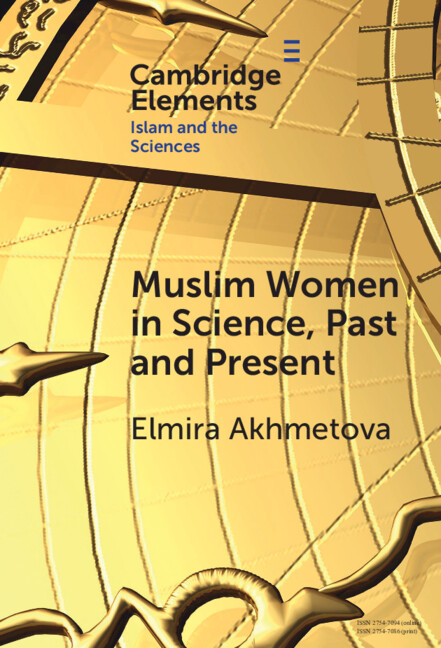
Muslim Women in Science: Contributions and Challenges
Introduction
Muslim women have played a significant role in the fields of science, scholarship, and technology throughout history. However, their contributions often remain underrecognized. This article explores their achievements, the factors contributing to their historical decline in scholarly engagement, and the circumstances prevailing today that affect their representation in scientific fields.
Historical Contributions
Throughout Islamic civilization, women have made groundbreaking advancements in various disciplines, including medicine, mathematics, and astronomy. Prominent figures such as Fatima al-Fihri, who founded the world’s first university, exemplify the profound impact these women have had.
- Medicine: Pioneering women contributed to medical knowledge and practice.
- Mathematics: Their work laid foundations that would influence future scholars.
- Astronomy: Many women were part of observatories, contributing crucial insights.
Challenges Facing Muslim Women Today
Despite historical contributions, many Muslim women currently encounter significant barriers in academia and scientific professions. These challenges stem from a variety of factors:
Social and Cultural Influences
Cultural perceptions and traditional gender roles often limit women’s access to education and professional pathways in science and research sectors.
Economic and Political Conditions
Poor economic conditions in many regions can restrict educational opportunities for women, while political instability may hinder progress towards gender equity in professional realms.
Interpretations of Islam
While the Qur’an does not impose restrictions on women’s pursuit of scientific careers, outdated interpretations can lead to discrimination and misrepresentation of women’s roles within the community.
The Path Forward
Addressing the underrepresentation of Muslim women in science requires concerted efforts in multiple areas:
- Advocacy: Support initiatives that promote women’s education in STEM fields.
- Policy Change: Encourage governments to implement policies that facilitate equal opportunities in education and professional careers.
- Cultural Awareness: Foster communities that empower women and challenge outdated norms.
Conclusion
The contributions of Muslim women to science are invaluable and must be acknowledged and promoted. By addressing the challenges they face, society can work towards a more equitable future where women can thrive as scholars and scientists, thus enriching the fields of study and innovation.
