


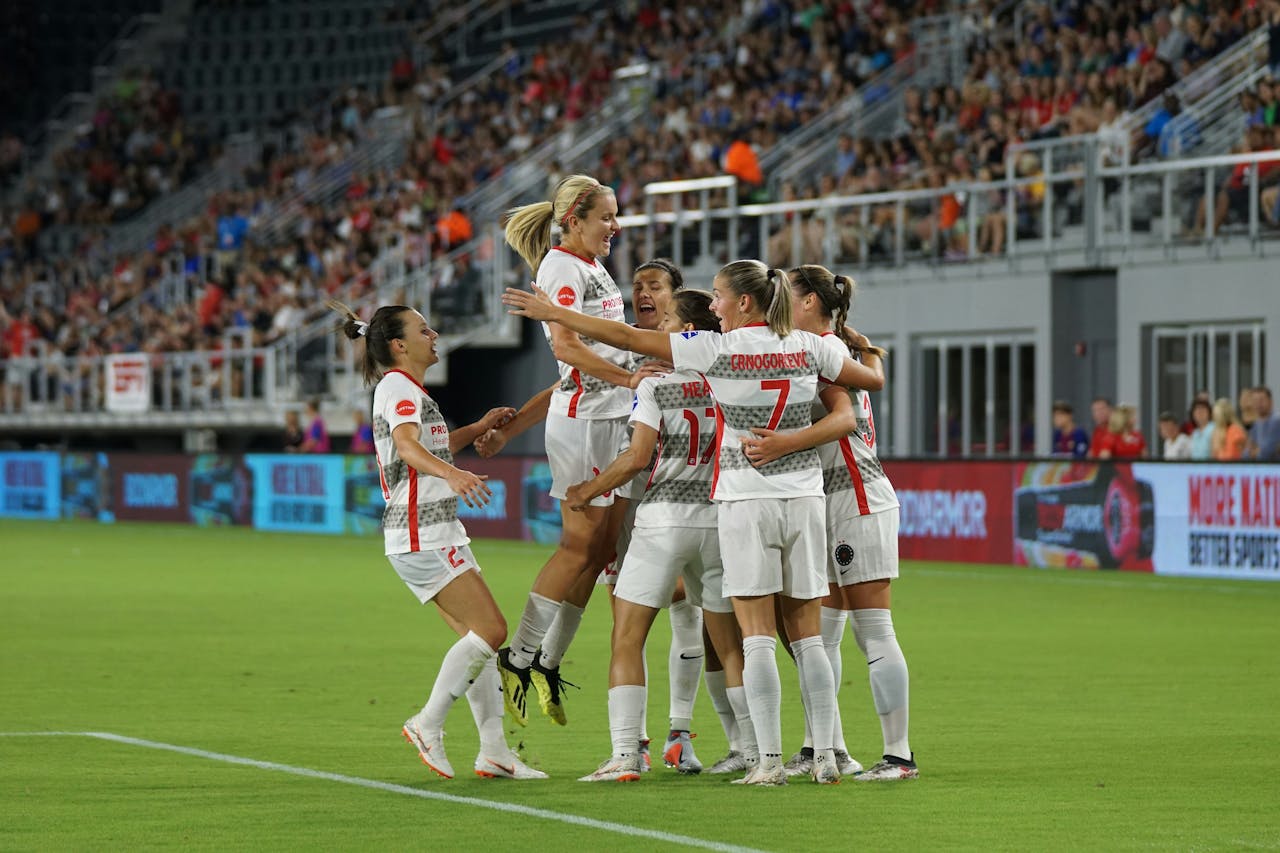
The landscape of women’s sports is witnessing unprecedented growth, particularly in viewership, which has surged over the past two years. Marketers are recognizing the immense potential within this highly engaged demographic, as consumer viewing habits evolve and shift. However, generic marketing strategies fall short when trying to connect with these digitally savvy fans; success now hinges on innovative and authentic approaches.
Recent statistics reveal a tipping point for women’s sports, as engagement metrics have escalated significantly. EDO reports an impressive 140% year-over-year increase in TV viewership, complemented by a doubling of advertising expenditure. Brands ranging from cosmetics to women’s health are also seizing the opportunity to connect with this engaged audience. Notably, ESPN highlighted a remarkable increase in ad sales for the 2025 NCAA women’s basketball tournament, which surged nearly 200% compared to the previous year. Additionally, Nielsen’s findings illustrate that WNBA fans are more likely to engage with brands online, and a substantial portion of this audience—43%—are men, with 74% acting as primary earners in their households.
While the opportunities to engage these loyal fans are plentiful, traditional sports marketing tactics seldom resonate. Many existing ad strategies miss the mark with women’s sports audiences, often adopting generic creative that fails to demonstrate the authenticity these fans expect. Moreover, traditional media purchasing strategies do not align well with contemporary viewing behaviors.
Savvy marketers are now exploring innovative strategies that not only forge authentic connections but also yield measurable outcomes that stand out from traditional advertisements.
Leveraging Augmented Content for Enhanced Broadcasting
The integration of data-driven augmented content presents new advertising possibilities while simultaneously enhancing fan interaction. Unlike standard advertisements, augmented content blends seamlessly with the viewing experience. Features like real-time player statistics, shot trajectories, and contextual information enrich key moments, crafting a premium advertising space capable of capturing attention during peak engagement.
As an example, during WNBA games, sponsors can weave their messaging into live player performance data. This approach, delivering brand messages right when a star player attempts a three-pointer or reaches a career milestone, results in engagement rates that far surpass those of conventional commercial breaks.
The primary advantage here lies in opportune timing. Instead of interrupting viewers, augmented advertising complements the experience by providing insights modern fans crave and presenting brand messages precisely when they are most engaged.
Dynamic Creative for Resonance
Women’s sports audiences exhibit distinct responses to marketing messaging when compared to traditional sports demographics. Successful campaigns leverage real-time data along with player connections to develop personalized content that genuinely highlights athletes, their achievements, and compelling storylines.
Dynamic creative optimization now allows marketers to automatically tailor messaging based on:
- Individual player or team performance
- Social media engagement and trending topics
- Geographic relevance and local market preferences
This strategy transcends conventional “support women’s sports” messages, instead delivering specific, contextually relevant content that reflects a thorough understanding of the sport and its players. For instance, a campaign that dynamically updates to showcase a star player’s recent statistics offers a sense of authentic engagement, while a static advertisement risks appearing opportunistic.
Cross-Sport Audience Insights
A significant opportunity exists in recognizing the interconnectedness of women’s sports fandom. Research indicates that women’s sports fans frequently display crossover engagement with various sports.
For instance, WNBA fans often express interest in NWSL matches, tennis events, and Olympic sports, while the audiences for NCAA Women’s Basketball significantly overlap with those of professional women’s soccer and gymnastics. Understanding these interrelations equips marketers to execute sophisticated audience targeting that is typically overlooked in traditional sports marketing.
By developing comprehensive fan profiles, marketers can identify patterns, such as NWSL fans who follow WNBA athletes on social media or NCAA viewers who switch to tennis during off-seasons. Deploying audience identification solutions enables brands to reach these fans consistently across different sports and seasons, allowing a continuous brand presence throughout the women’s sports calendar rather than a focus on isolated tournament-specific promotions.
Future Strategies for Success
To thrive in women’s sports marketing, it’s crucial to acknowledge that this audience prioritizes authenticity. They are adept at distinguishing between brands that genuinely support women’s sports and those that merely use it as a promotional tool.
Brands poised for success in the women’s sports sector will recognize that this shift represents not just a new demographic to target but a broader movement transforming sports culture. By embracing innovative marketing strategies, advertisers can become true allies in this transformation, paying respect to both the athletes and the fans who have propelled women’s sports into the mainstream consciousness.
