


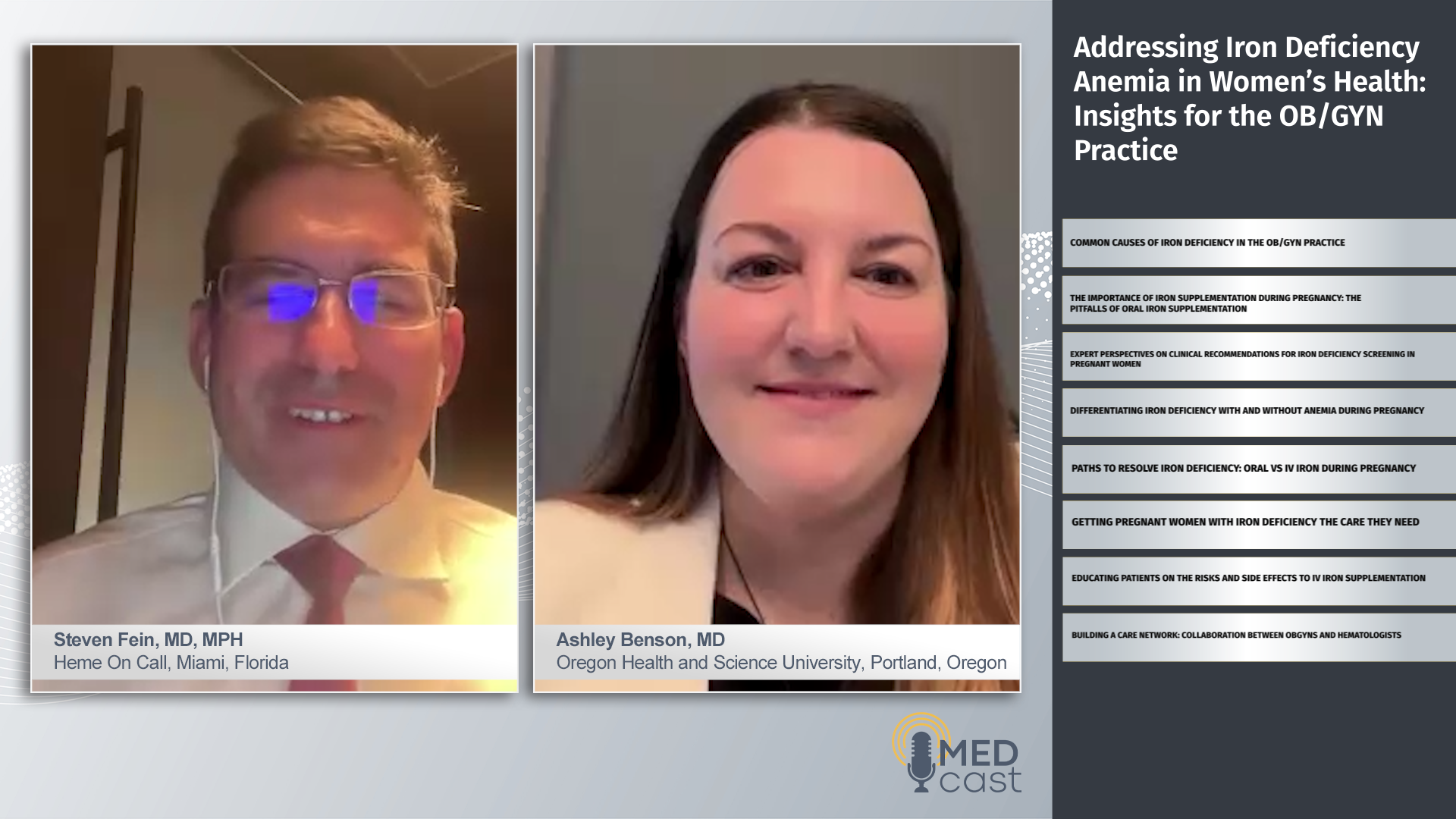
Understanding Iron Deficiency Anemia in Women’s Health
Iron deficiency anemia (IDA) represents a major health concern, particularly among women. Recent discussions within the OB/GYN community have focused on its prevalence, causes, and implications for patient management. This article delves into the essential insights regarding IDA, aiming to arm healthcare professionals with the knowledge necessary to address this condition effectively.
The Prevalence of Iron Deficiency Anemia
IDAs are notably common among women, particularly those of childbearing age. According to estimates, about 20% of women are affected globally, with higher incidences in certain populations. This vulnerability is often attributed to menstruation, pregnancy, and dietary limitations, which can lead to a significant decrease in iron levels.
Recognizing Symptoms
Awareness of symptoms is crucial for early diagnosis and intervention. Common signs of IDA include:
- Fatigue and weakness
- Pale skin
- Shortness of breath
- Dizziness or lightheadedness
- Cold hands and feet
Identifying these symptoms can empower healthcare providers to initiate further assessments and treatments promptly.
Diagnostic Approaches
In diagnosing IDA, healthcare professionals typically utilize various tests, including:
- Complete blood count (CBC)
- Serum ferritin tests
- Iron studies
These assessments provide a clearer picture of a patient’s iron status, enabling tailored treatment plans.
Contributing Factors
A variety of factors can contribute to IDA in women. Some of the key causes include:
- Heavy menstrual periods
- Pregnancy-related demands
- Inadequate dietary intake of iron
- Gastrointestinal disorders that affect absorption
Understanding these factors helps clinicians to formulate effective prevention and management strategies.
Management and Treatment Options
Effective management of IDA involves a variety of treatment methodologies. Depending on the severity, strategies may include:
- Iron supplementation (oral or intravenous)
- Dietary modifications to include iron-rich foods
- Treatment of underlying conditions contributing to iron deficiency
Establishing a comprehensive management plan is vital for improving patient outcomes.
Patient Education and Support
Providing education to patients about IDA can lead to better compliance and outcomes. Key points to share include:
- Importance of adhering to prescribed treatments
- Recognition of symptoms that may indicate worsening conditions
- Guidance on dietary choices that enhance iron intake
Empowering patients with knowledge fosters active participation in their own health management.
Conclusion
Iron deficiency anemia stands as a significant issue in women’s health, particularly within OB/GYN practices. By understanding its prevalence, recognizing symptoms, and implementing effective management strategies, healthcare professionals can play a pivotal role in alleviating this condition. Through education and supportive care, the impact of IDA can be significantly reduced, enhancing overall women’s health outcomes.
