


India’s Scientifc Vision for 2047: A Comprehensive Overview
Introduction
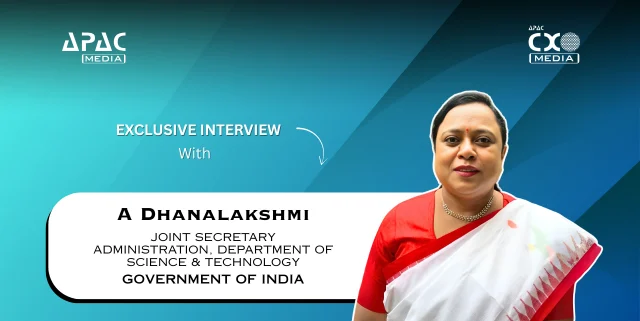
Under the initiative Viksit Bharat@2047, India is laying the groundwork for its scientific future. A. Dhanalakshmi, Joint Secretary at the Department of Science and Technology (DST), discusses the strategic roadmap aiming to tackle the challenges of the coming decades.
National Priorities
1. Security
A. Dhanalakshmi emphasizes that modern security involves protecting national sovereignty using cutting-edge technology. “Today battles aren’t fought in fields. They are fought with technology,” she explains, highlighting the importance of advancements in border protection and cybersecurity, particularly through the integration of Artificial Intelligence (AI) and other emerging technologies.
2. Sustainability
According to Dhanalakshmi, sustainability is imperative in areas like agriculture and biotechnology, especially as projections indicate challenges in food production as the population grows. Strategies include developing sustainable food alternatives and enhancing self-sufficiency in agricultural outputs.
3. Climate Resilience
In addressing climate-related challenges, she notes the need for effective systems for early warnings related to natural disasters. Initiatives like the National Green Hydrogen Mission and advancements in electric vehicle battery recycling are key to achieving carbon reduction goals.
Bridging the Innovation Gap
Dhanalakshmi points to a notable disconnect between research output and practical application, stating, “There’s a wide gap and we need to acknowledge it.” She notes that while India ranks third globally in research publications, translating these findings into real-world solutions remains a challenge.
Efforts to close this gap include initiatives under the National Mission on Interdisciplinary Cyber-Physical Systems, which has established 25 Technology Innovation Hubs nationwide, aiding in the commercialization of homegrown technologies.
Success Stories
Examples of successful innovations include:
- BharatGPT from IIT Bombay
- AI-driven medical solutions from IIT Indore
- A low-cost heart valve developed by SCTIMST in Thiruvananthapuram
To extend outreach, the DST is implementing a hub-and-spoke model, facilitating knowledge transfer from premier research institutions to Tier-2 universities, thereby fostering broader national participation in scientific advancement.
Vigyan Dhara Initiative
Central to DST’s approach is the Vigyan Dhara initiative, aimed at unifying efforts across three key areas:
1. Capacity Building
This focuses on nurturing scientific talent through funding, training programs, and scholarships, particularly for students pursuing STEM fields.
2. Research and Development (R&D)
The R&D vertical enhances access to advanced research equipment and promotes ongoing maintenance through grants, further supported by the National Geospatial Programme.
3. Innovation and Startup Support
This support system encourages the transition of laboratory innovations into scalable, field-ready technologies, promoting entrepreneurship through frameworks like the National Initiative for Developing and Harnessing Innovations (NIDHI).
Women in STEM
In her remarks about women in science, Dhanalakshmi indicated that 21% of DST’s extramural R&D funding is allocated to women. The initiative aims for 40% of capacity-building programs to cater specifically to women scientists, fostering inclusivity and equal opportunity in scientific fields.
Global Cooperation and Future Goals
India is enhancing its role in both bilateral and multilateral scientific collaborations, having established agreements with countries such as the US, Germany, and Japan. These partnerships facilitate student exchanges and promote international research initiatives.
Dhanalakshmi also highlighted the reverse brain drain trend through the VAIBHAV Fellowship, attracting Indian-origin scientists back to India, thus enriching the domestic scientific workforce and promoting knowledge-sharing.
