


Understanding the Impact of ACL Injuries in Women’s Basketball
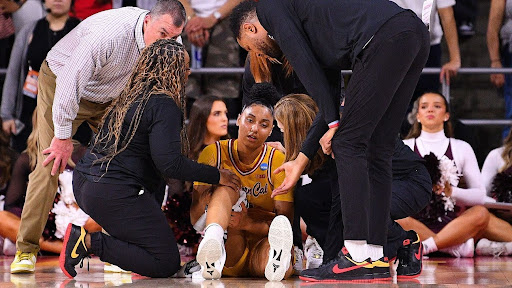
The NCAA Tournament game on March 24 revealed the harsh realities of injury in collegiate athletics when USC’s standout guard, Juju Watkins, suffered a serious ACL tear. This setback not only puts her on the sidelines for the upcoming offseason and much of the next season, but it also raises critical questions about the disparities in injury risks faced by female athletes.
Injury Disparities in Female Athletes
Research indicates that female athletes in collegiate and professional basketball face significantly higher rates of ACL injuries compared to their male counterparts, with risks estimated to be two to eight times greater. The long-term effects of these injuries can severely limit career opportunities for female athletes.
Expert Insights on Injury Causes
Scott Myrick, Assistant Athletic Trainer for the UMass Women’s Basketball team, emphasizes that the factors contributing to these disparities are complex. “They’ve looked at differences between females and males, everything from bone structure to the way we females are built, to hormonal cycles,” said Myrick. “But there hasn’t been any one particular thing that stands out as being the end-all-be-all.”
Impact on Team Dynamics and Future Prospects
Watkins’ absence was felt not just in gameplay. Attendance at her team’s subsequent games dropped by 30%, while television viewership fell by 22%. As a prominent figure in a new wave of female basketball talent—including Caitlin Clark, Angel Reese, and Paige Bueckers—her injury poses a significant threat to her draft prospects and future opportunities in professional basketball.
“[ACL injuries] are easily one of the most common injuries that we see,” Myrick noted, acknowledging that NCAA programs could expect to encounter one or two cases every one to two years.
Investment in Female Athletics
While some programs, like UMass, have made strides in funding injury prevention and research, many colleges still fall short. Myrick recognizes the disparity: “The resources here, the facilities that we have, do a really top-notch job…to take care of them, to help prevent injuries.” Unfortunately, this level of support is not consistent across all institutions.
The Need for Comprehensive Research
Currently, only six percent of strength and conditioning research focuses on women, with fewer than 34 percent of sports medicine journals having published studies that included female subjects. This lack of tailored research limits advancements in training and recovery methods that address the specific needs of female athletes, thereby increasing the likelihood of both initial and recurring injuries.
Bridging the Funding Gap
Despite ongoing misconceptions regarding the capabilities of female athletes, the primary issue lies in the lack of investment. The substantial financial resources allocated to men’s athletics create an uneven field that undervalues women’s sports and perpetuates gender disparities within the athletic landscape.
