


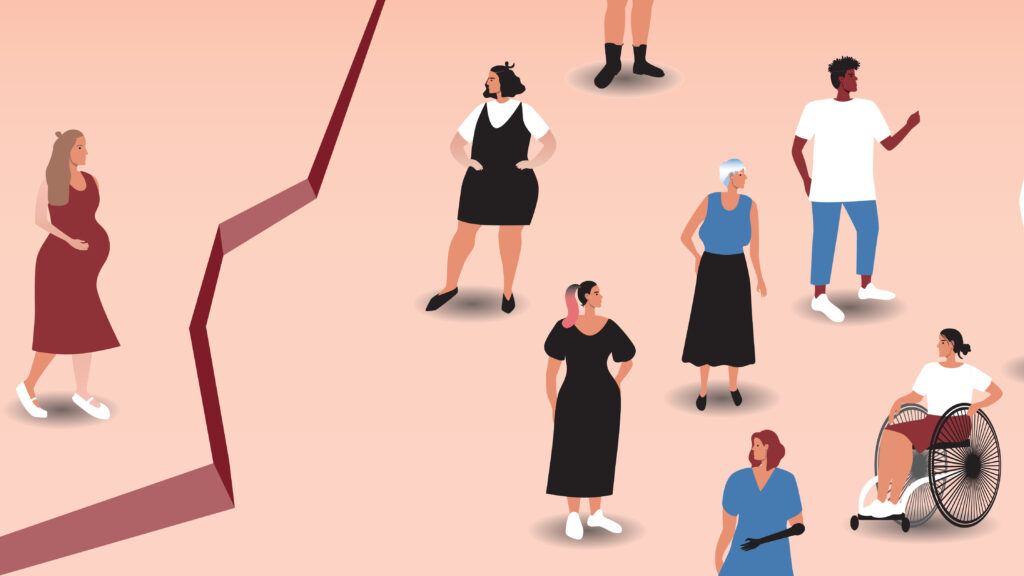
For years, the exclusion of pregnant women from clinical trials has been a common practice aimed at safeguarding both maternal and fetal health. However, this approach has resulted in unintended consequences, ultimately leaving women with inadequate information about treatment options for various medical conditions.
This lack of representation in clinical research generates a confusing landscape of data. Many women may find themselves struggling to manage their health without effective treatment, leading to avoidable suffering from untreated illnesses.
The implications of this absence of data became evident recently when health officials, including President Trump and Health and Human Services Secretary Robert F. Kennedy Jr., publicly advised pregnant women to avoid acetaminophen—commonly known as Tylenol. They claimed that the drug could contribute to autism, a statement made without robust scientific evidence to substantiate such a serious allegation.
The Impact of Exclusion in Clinical Research
The decision to exclude pregnant women from trials is often based on the desire to avoid potential harm. However, it also contributes to a significant gap in knowledge regarding the safety and efficacy of medications during pregnancy. As a result, healthcare providers and patients alike are left with insufficient data to make informed decisions.
Consequences of Insufficient Data
- Confusion: The ambiguous information surrounding treatment options leads to confusion for both pregnant women and their healthcare providers.
- Misinformation: In the absence of clear, reliable studies, there is a heightened risk of misinformation, where claims may be overstated or misrepresented, as seen in the recent statements regarding Tylenol.
- Health Risks: Women may avoid necessary medications due to fears based on unverified claims, further jeopardizing their health and that of their unborn child.
Need for Change
As the dialogue surrounding medication safety evolves, there is a growing call for more inclusive research practices. By involving pregnant women in clinical trials, researchers can collect critical data that balances the need for safety with effective medical care. This prudent reform could significantly enhance the understanding of drug effects during pregnancy, ultimately leading to better health outcomes.
In conclusion, while the intention behind excluding pregnant women from clinical trials may be protectionist, it could inadvertently perpetuate health risks and the spread of misinformation. Addressing these issues will require a concerted effort from the medical community, policymakers, and researchers alike to ensure that the health needs of pregnant women are met with diligence and care.
