


IAFF Introduces the Female Health & Safety Standing Committee
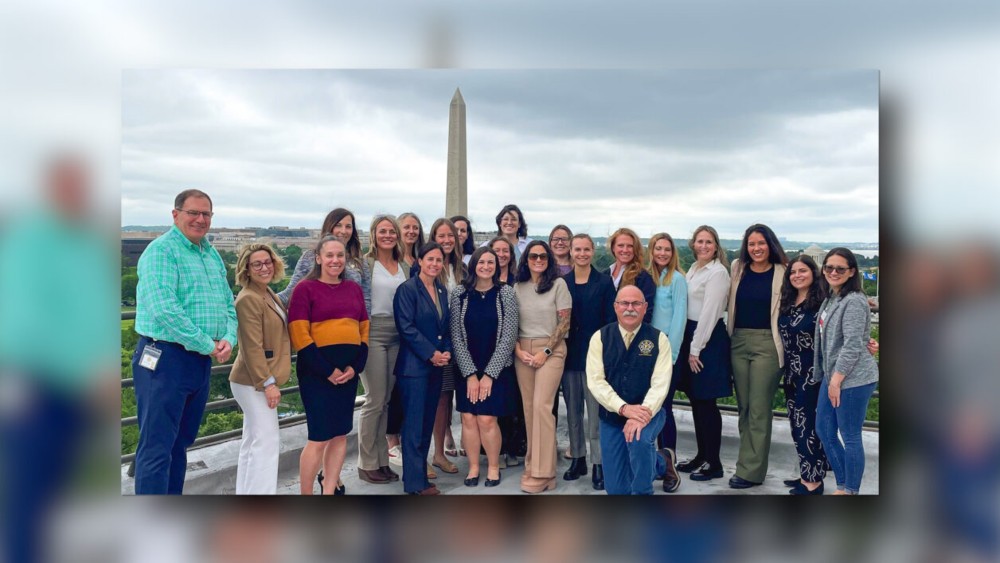
The International Association of Fire Fighters (IAFF) recently convened a historic meeting in Washington, D.C., bringing together 15 women representatives from various IAFF districts. This inaugural gathering of the Female Health & Safety Standing Committee marks a significant milestone aimed at addressing the unique health and safety concerns of female firefighters and emergency medical personnel.
Advocacy for Female Firefighters
Among the committee members is Dani Landholm from Omaha, Nebraska’s Local 385. A long-time advocate for maternal health policies and properly fitted personal protective equipment (PPE), Landholm expressed the urgency of establishing a dedicated committee for female firefighters. “There was a need for a female firefighter health and safety committee,” she stated. “Our safety, our wages, and our benefits should not cost us our families or the desire to be a mother, to be feminine, or to be in a leadership role. It should just be something we’re capable of doing.” This sentiment encapsulates a broader call for systemic change within the firefighting community.
Commitment from Leadership
IAFF General President Edward Kelly reinforced the organization’s commitment to improving safety standards for women in firefighting. He said, “With the creation of a new Female Health and Safety Standing Committee, we’ll be able to advocate for better research, improved protections, and a safer future for our membership.” The committee is geared toward exploring vital topics such as:
- Ill-fitting PPE
- Gaps in presumptive cancer coverage
- Behavioral health challenges
- Recruitment and retention strategies
- Maternity leave policies
- Modernizing station designs
Younger Voices in Advocacy
One of the newer committee members, Genéve Bélanger from Montreal, Quebec’s Local 125, shared her experiences as she just began her career as a firefighter. She emphasized the importance of representation, stating, “There aren’t many women firefighters and we need to be representatives.” Bélanger highlighted the issues surrounding inadequate gear, recalling her struggles with ill-fitting gloves and boots during her training as a firefighting student.
Challenges and Opportunities
Tessie Taleu, a member of Local 157 in Oklahoma City, echoed similar sentiments about inclusivity in gear sizing. She noted the need for better-fitting equipment not only for women but also for men with varying body types. “A lot of females struggle with that, but even some men have body types that would benefit from different fits,” she explained. Taleu’s advocacy aims to enhance the overall safety and well-being of female firefighters across the nation.
The Role of Mentorship
Barbara Sellers, an elected member of the IAFF Human Relations Committee, addressed the significant importance of mentorship for women in the field. She stated, “If you have only one female in your department, it’s hard to have female mentorship programs, but that doesn’t mean you can’t work with other departments.” This inter-departmental collaboration could foster a supportive network for budding female firefighters.
Conclusion: A Step Toward a Safer Future
The establishment of the Female Health & Safety Standing Committee by the IAFF is a groundbreaking initiative dedicated to improving the lives of female firefighters and emergency medical workers. As these women come together to advocate for their rights and well-being, they are paving the way for a more inclusive and safer future in firefighting.
