


WNBA Players Demand Fair Compensation Amid Rising Popularity
In the aftermath of the recent WNBA All-Star Game, where Team Collier triumphed over Team Clark with a score of 151-131, the air was charged with energy as chants of “pay them!” resonated throughout the sold-out Gainbridge Fieldhouse. This fervor underscored a critical conversation regarding pay equity in women’s sports.
The Message of Unity
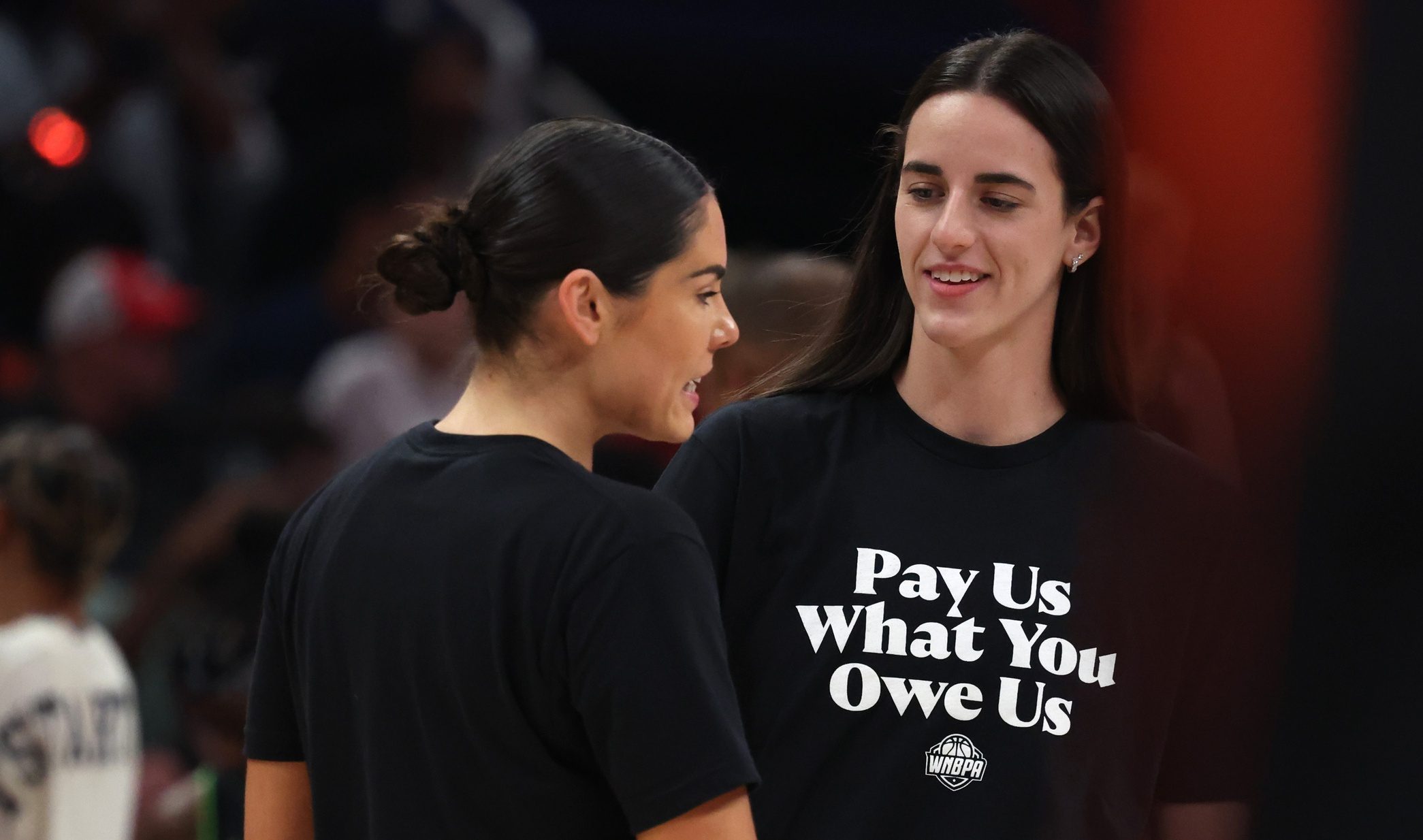
Prior to the game, many players wore black shirts emblazoned with the phrase “Pay Us What You Owe Us.” This bold statement came just two days post a significant meeting between over 40 players and league officials discussing collective bargaining agreement negotiations. The players voiced their discontent over perceived slow progress, with a looming October deadline that threatens a potential lockout.
Public Reaction and Divided Opinions
The players’ message was designed to spark discussion, and it certainly succeeded—prompting reactions that split along predictable lines. On one hand, advocates supported the players’ quest for fair compensation, especially as the league experiences a surge in popularity. Conversely, critics accused the players of entitlement, arguing that they are demanding higher salaries from a league that reportedly operates at a financial loss.
WNBA all stars wearing a “Pay us what you owe us” shirt in warmups pic.twitter.com/jIj2W6N6kw
— CJ Fogler 🫡 (@cjzero) July 20, 2025
The Hypocrisy in Advocacy
It is noteworthy that many critics of the players’ demands are also vocal supporters of women’s sports. This apparent hypocrisy raises questions about the true intentions of those championing women’s athletics. Jemele Hill, a former ESPN personality, pointed to this contradiction, highlighting a clear disconnect between advocating for women’s sports and the resistance against fair compensation for female athletes.
Hill took to social media to express her thoughts, stating, “Funny how all that protect women’s sports energy went out the window as soon as WNBA players showed up with T-shirts bringing awareness to the lack of financial equity they have in their league.”
The Financial Landscape of the WNBA
As the conversation surrounding pay equity continues, some critics have cited a recent report indicating the WNBA incurs annual losses amounting to $40 million. However, Hill and other commentators, such as ESPN’s Mina Kimes, emphasize that future financial prospects are more important than current figures. Kimes noted the impending media rights deal valued at approximately $2.2 billion, expected to kick in next season, further legitimizing the league’s financial trajectory.
“For anyone who is saying the comparisons to tech are off—people are bending over backwards to invest in this league,” stated Kimes. “Follow the money.”
This perspective echoes sentiments often heard in discussions about the NBA, where even during financial troubles, player salaries have flourished following improved financial arrangements and growing popularity. The WNBA appears poised for similar growth as it continues to capture an increasing audience.
Lot of these folks angry that they gotta put up the Baptist finger when they leave the room in front of their boss, so they’re triggered by a group of people who are standing up for what they deserve.
— Jemele Hill (@jemelehill) July 20, 2025
Conclusion: The Call for Equity
Given the WNBA’s promising outlook, the demand for players to receive equitable compensation aligns with the trajectory of the league. Supporters of women’s sports should consider the implications of their stance on pay equity. The time has come for a unified voice advocating for financial fairness in women’s athletics, as it is essential for the continued growth and sustainability of the league.
