


NCAA Faces Scrutiny Over Equity in NIL Payments
In a recent move signaling growing concerns over gender equity in college sports, ten Democratic members of the U.S. House of Representatives have reached out to the NCAA regarding the distribution of Name, Image, and Likeness (NIL) payments. Their inquiry raises questions about how the NCAA plans to protect the interests of female athletes amidst a landscape where the majority of NIL revenue is funneled to male athletes.
Concerns Highlighted by Lawmakers
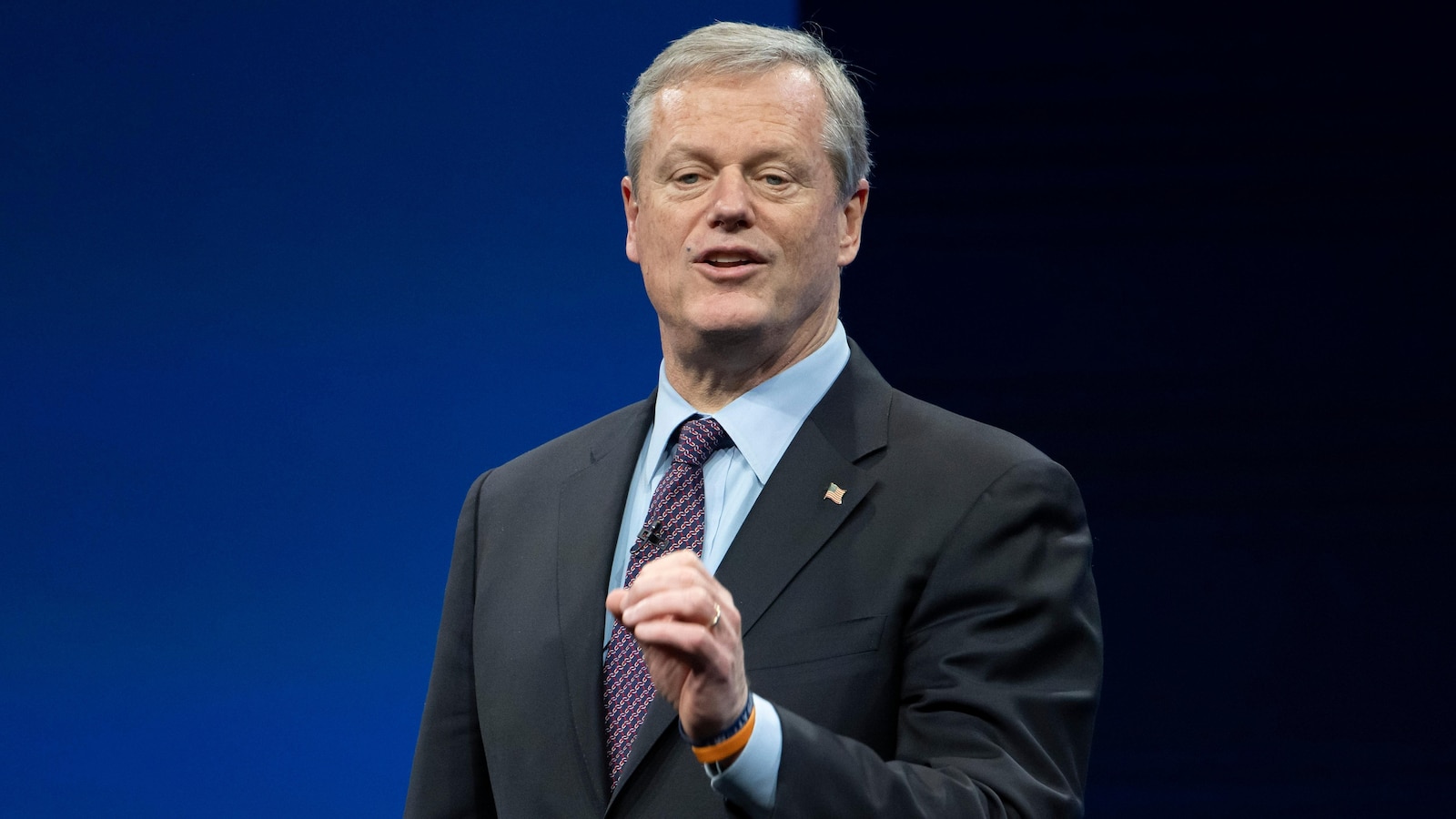
The lawmakers’ letter, directed to NCAA President Charlie Baker, references a significant change in the guidance surrounding Title IX during the Trump administration. This previous guidance mandated a more equitable distribution of NIL payments between male and female athletes, a stipulation that has since been rescinded.
Key Questions Posed to the NCAA
The representatives have requested answers by August 30 regarding the implementation of a recent antitrust lawsuit settlement involving the NCAA. Their letter includes five critical questions:
- Will the NCAA promote equitable direct payments to male and female athletes?
- Given that male athletes are likely to dominate NIL earnings, does the NCAA have plans to increase investments in women’s sports to address this imbalance?
- With 90% of the $2.8 million in damages allocated mainly to football and men’s basketball athletes, how does the NCAA propose to ensure fair distribution of damages?
- What are the anticipated scholarship opportunities for women that may lead to increased funding for women’s sports at Division I institutions?
- What educational resources will the NCAA provide to athletes, especially females, regarding the settlement and potential rights forfeited when signing contracts?
NCAA’s Response and Legislative Context
In response to these inquiries, the NCAA did not address the specific questions posed by the lawmakers. Instead, they urged support for the proposed “SCORE Act,” which aims to enhance NIL rights for athletes. The organization indicated that investments in women’s sports have increased significantly in recent years, noting that for the first time, women’s teams in the NCAA Tournament received revenue shares last season. Additionally, the creation of the 32-team Women’s Basketball Invitation Tournament has expanded postseason opportunities for female athletes.
Commitment to Compliance and Ongoing Issues
The NCAA acknowledged its legal obligations under Title IX, emphasizing the necessity for all member schools to fully comply with the law and its expectations. However, ongoing issues persist, as the NCAA has sought limitations on antitrust regulations to retain control over the rules governing college sports, arguing that such regulations underpin the extensive scholarship opportunities available to student-athletes.
Continuing Legal Challenges
Legal actions against the NCAA continue, with certain athletes contesting the organization’s policy restricting participation to four seasons over a five-year period. Notably, a group of female athletes has appealed the recent settlement, arguing that it discriminates against women in violation of federal law.
As discussions surrounding equity in college athletics evolve, the upcoming responses from the NCAA may illuminate the path forward in addressing disparities between male and female athletes within this complex and rapidly changing landscape.
