


NCAA Under Scrutiny: Lawmakers Demand Equity for Female Athletes
In a significant move, ten Democratic members of the U.S. House of Representatives have reached out to the NCAA, seeking clarity on how the organization intends to safeguard the interests of female athletes amid rising disparities in Name, Image, and Likeness (NIL) and revenue-sharing payments, which predominantly favor male athletes.
Context of the Inquiry
The request stems from concerns regarding the NCAA’s practices following the revocation of Title IX guidance by the Trump administration. This former guidance had enforced equitable distribution of NIL payments among male and female athletes.
Questions Addressed in the Letter
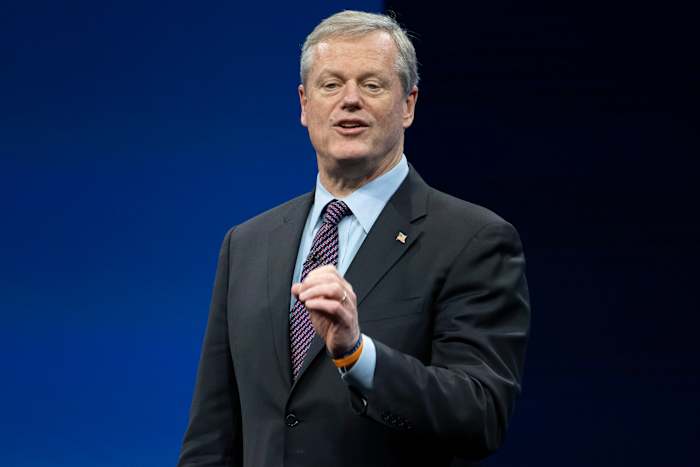
In a letter sent to NCAA President Charlie Baker, lawmakers have posed several critical questions that require response by August 30:
- Equitable Direct Payments: Will the NCAA advocate for equitable compensation for male and female athletes at member institutions?
- Investment Redirection: Given the expectation of continued NIL payment preferences for male athletes, will the NCAA increase its investment in women’s sports?
- Damage Distribution: How does the NCAA plan to ensure fair distribution concerning the $2.8 million damages, where 90% was allocated to male athletes?
- Scholarship Opportunities: What increase does the NCAA anticipate in scholarship offerings for women, in addition to overall funding enhancements for women’s sports at Division I schools?
- Educational Outreach: What steps will the NCAA take to inform particularly female athletes about the settlement’s details and their rights when entering school contracts?
NCAA’s Initial Response
In a statement to The Associated Press, the NCAA did not directly answer the lawmakers’ inquiries but instead called for support of the Student Compensation and Opportunity through Rights and Endorsements Act (SCORE Act). This proposed legislation aims to create methods for protecting the NIL rights of all athletes.
The NCAA underscored its commitment to women’s sports, claiming a significant increase in investment over recent years. Notably, women’s teams received revenue shares from the NCAA Tournament for the first time last season, alongside the introduction of the 32-team Women’s Basketball Invitation Tournament to expand postseason opportunities.
Legal Context
The NCAA’s position is that it requires a limited antitrust exemption to regulate its own guidelines effectively. This regulation framework is deemed essential for maintaining a college sports ecosystem that provides significant scholarship support and athletic training for future U.S. Olympians. Challenges to NCAA rules continue, including lawsuits from athletes regardingeligibility limitations and appeals from female athletes contesting recent settlements they believe discriminate against women in violation of federal law.
The Importance of Title IX Compliance
The NCAA has reiterated the importance of complying with Title IX, asserting that all member schools are required to adhere to its standards to ensure equitable treatment for male and female athletes.
Conclusion
This correspondence from lawmakers signals a critical examination of how college sports manage equity issues, particularly in light of growing NIL opportunities. As stakeholders await the NCAA’s responses, the focus remains on ensuring fairness and accessibility for female athletes in a rapidly evolving landscape of college athletics.
For updates on college sports and related topics, visit AP College Sports.
