


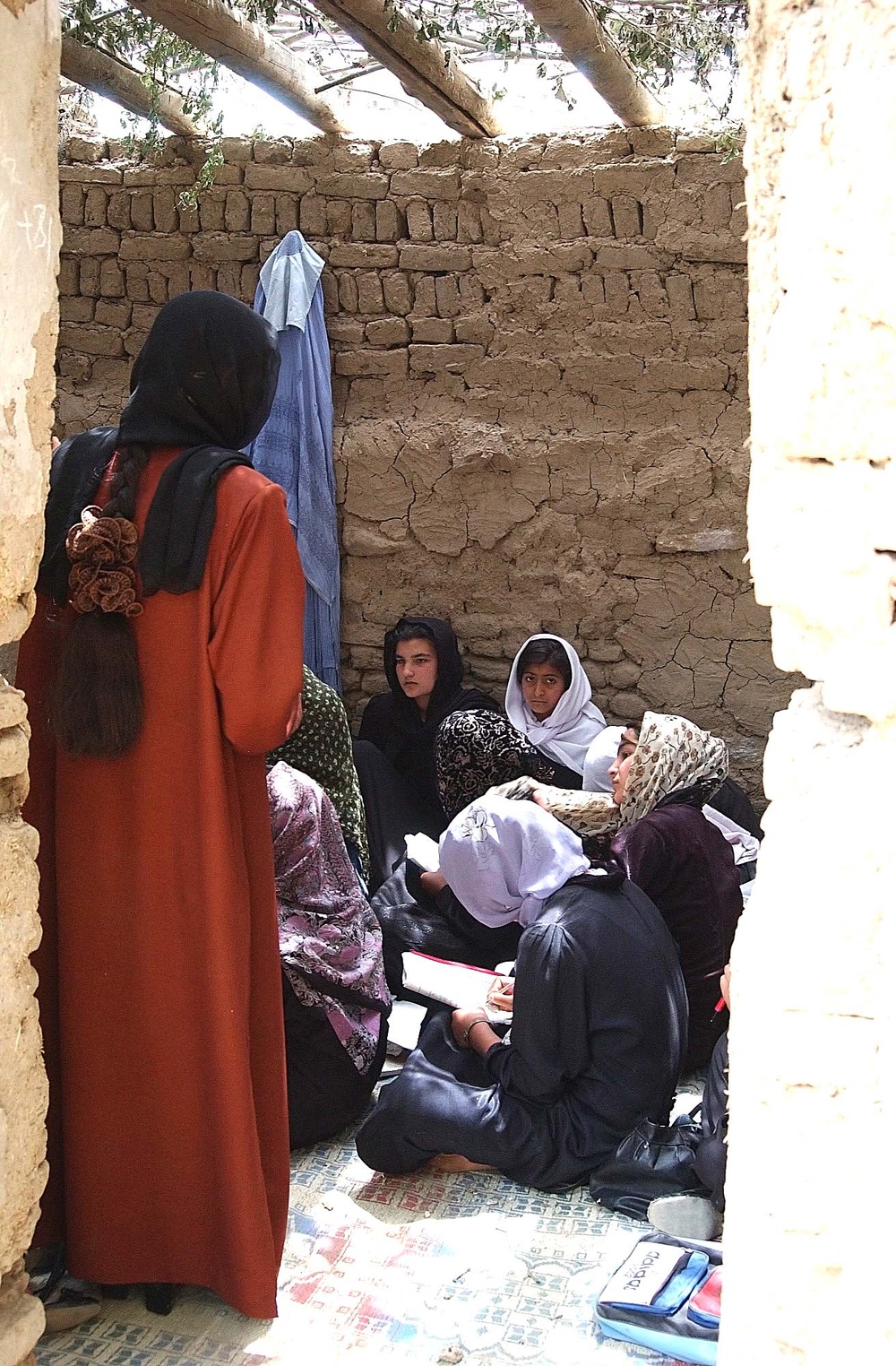
The ongoing reconstruction efforts in Afghanistan have emphasized a critical focus on elevating the status and rights of women, who experienced severe oppression under the Taliban regime. Current initiatives led by international aid organizations and the U.S. government aim to empower Afghan women with the necessary skills and opportunities to contribute significantly to their society.
New Opportunities for Afghan Women
U.S. Secretary of State Colin Powell recently highlighted the transformation of Afghan women, stating, “Women, who just one year ago were prisoners in their own homes, are now free.” He acknowledged their growing roles as judges, educators, and leaders in various sectors during a meeting at the World Bank.
Partnerships for Progress
Both American and Afghan authorities recognize the necessity for women to play integral parts in the nation’s reconstruction. In a statement welcoming Afghan women to the U.S. for an Educational Leadership Program, Powell emphasized the long journey ahead but expressed optimism for women’s involvement in nationwide rebuilding efforts.
Educational Leadership Program
This program provides a platform for women employees from Afghan government agencies to enhance essential skills, including:
- Computer Literacy
- Proposal Development
- Communications
- Leadership Management
Participants also engage in community program tours and cultural events, with each receiving a donated laptop to aid their educational journey.
U.S.-Afghan Women’s Council
The U.S. Department of State supports the U.S.-Afghan Women’s Council, which forges collaborations between leaders from both nations’ governments and business sectors. The objective is to address current challenges facing Afghan women, focusing on:
- Health Care
- Education
- Economic Opportunities
Women’s Development Centers
Plans are underway to establish women’s development centers in each of Afghanistan’s 32 provinces. These centers will provide access to:
- Job Training
- Childcare Services
- Adult Literacy Programs
- Human Rights Awareness
- Basic Health Services
Existing centers, particularly in Kabul, have seen a high demand for services, indicating strong community support for these initiatives.
Health Care Crisis
Access to quality health care remains one of the most pressing needs for Afghan women. Statistics reveal that over 90% of women in Afghanistan give birth at home, often without professional assistance. The U.N. Children’s Fund (UNICEF) reports that Afghanistan has one of the highest maternal mortality rates globally, second only to Sierra Leone.
Mental Health Considerations
The mental health of Afghan women, exacerbated by years of oppressive regimes, is a significant concern. According to a 2001 estimate by Physicians for Human Rights, over 70% of women affected by Taliban policies showed symptoms of major depression.
As Afghanistan navigates its recovery, the vital role of women must be recognized for any developmental efforts to succeed. As Secretary Powell noted, women are essential not just as beneficiaries but as planners and implementers of change in a post-Taliban society.
PUBLIC DOMAIN
This article reflects the ongoing evolution of women’s roles in Afghanistan post-Taliban regime. For more information about U.S.-Afghan collaborations, visit the U.S.-Afghan Women’s Council website.
