


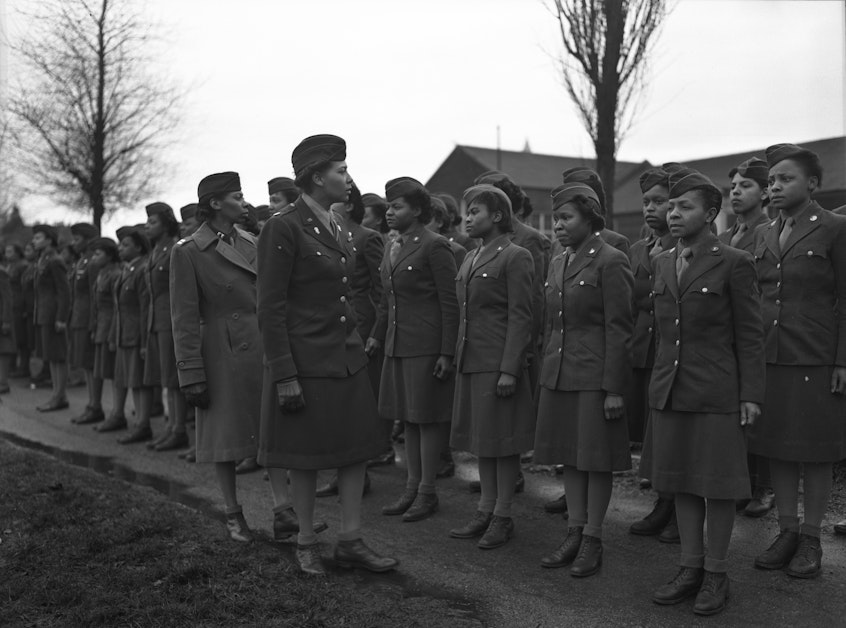
This Memorial Day, the legacy of the United States military unit known as the 6888th Central Postal Directory Battalion is being honored. Not only was this unit comprised predominantly of Black women, but it was also the first all-female military unit to serve overseas during World War II. Their remarkable effort to sort through a staggering backlog of over 17 million pieces of mail for U.S. soldiers remains significant, as many troops were yearning for messages of hope from home.
Faced with a daunting six-month deadline, the Six Triple Eight accomplished its mission in just three months. In a notable ceremony held in April, this battalion became only the second group of military women to be awarded the Congressional Gold Medal. U.S. House Minority Leader Hakeem Jeffries emphasized the importance of recognizing their contributions, stating, “We reject any efforts now to erase this history. And that’s why this bipartisan ceremony is so particularly important.”
The timing of this recognition is crucial, as the number of surviving members of the Six Triple Eight continues to dwindle. The battalion’s contributions extended beyond logistical challenges; these women faced the grave realities of war while ensuring that their fellow soldiers received vital communications. Former Pfc. Indiana Hunt Martin reflected on the perilous nature of their work during a 2020 interview, sharing, “I heard a big bump on the ship [ride] and we [thought] we were being blown up. Scared the hell out of us.”
Martin’s sentiments were echoed by the experiences of the whole battalion, which included 853 Black women and two Latinas, all of whom served in a nation characterized by systemic racism. The majority were well-educated, with more than 80% holding degrees or having teaching backgrounds. This reality sheds light on the resilience and dedication they demonstrated despite societal prejudices. Sandra Dean recalls her mother’s teachings, embodying a strong work ethic: “Don’t worry about what anyone else is doing, and do it exceedingly over and beyond.”
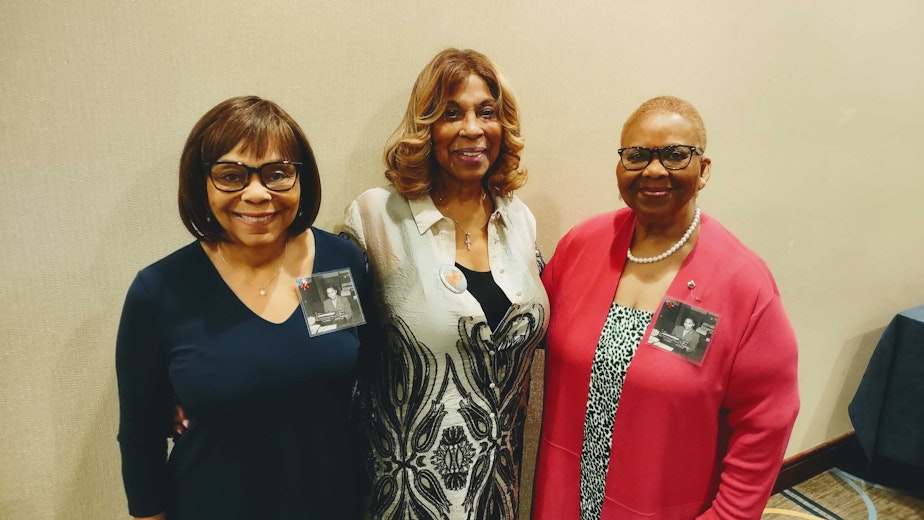
Denise McBride, a descendant of late Sgt. Phyllis Inez Galloway Meekins, leads an initiative dedicated to reconnecting descendants of the battalion. She reflects on the history that was often unspoken within her family until she uncovered her mother’s journal after her passing in 2005. Similarly, Marissa Pointer learned of her relatives’ service only through the recent Netflix film that documented the battalion’s history, stating, “I cried and I screamed. I was so elated.”
Current members of the Six Triple Eight’s descendants group often ponder why their ancestors chose not to discuss their military experiences. While the reasons may remain unclear, the importance of sharing and honoring their stories is undeniable. As Angela King, a descendant of Pfc. Laura Amelia Bias, remarks, “What matters now is that our nation and the entire world know about the job they did. It was a job well done.”
