


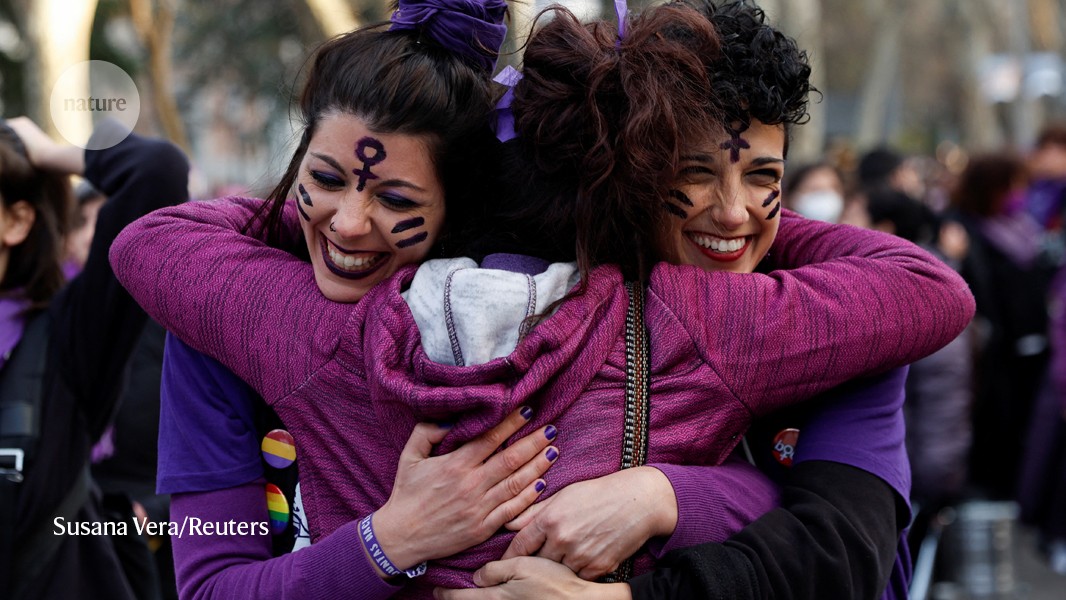
Celebrating Women in Science on International Women’s Day
International Women’s Day, observed annually on 8 March, serves as a platform to recognize the accomplishments of women and promote the ongoing struggle for gender equality. Despite some critiques labeling it as merely performative, it remains crucial for raising awareness about barriers women face in science. Female scientists continue to publish less, receive fewer promotions, and encounter harassment, particularly those marginalized by race, disability, or sexual orientation.
The Call for Action
Activism is essential for fostering change within scientific institutions that have historically marginalized women. Jess Wade, a physicist at Imperial College London who champions gender equality, emphasizes the need for substantial support for women in science rather than superficial campaigns. “We actually need to support the women scientists that we have,” she asserts.
Insights from Women Researchers
In the spirit of celebration, Nature has consulted several prominent women researchers to share how they plan to honor International Women’s Day, inviting readers to participate in a poll to express their views as well.
Martina Anto-Ocrah: Advocating for Social Sciences
Martina Anto-Ocrah, an epidemiologist at the University of Pittsburgh, aims to highlight the vital role of social scientists in advancing gender equality. “Social scientists are the people who highlight all the cultural issues in our society that hold women back,” she notes. Her research also underscores the impact of the COVID-19 pandemic on women’s publication rates, which disproportionately decreased compared to their male counterparts due to increased caregiving responsibilities.
Sandra Díaz: Celebrating Female Leadership
Sandra Díaz, an ecologist at the National University of Córdoba, emphasizes the growing presence of women in leadership roles within science. “More and more women take leading roles in coming up with groundbreaking ideas,” she states, recognizing that female scientists are increasingly at the forefront of major discoveries and initiatives.
Jess Wade: Supporting Early-Career Scientists
Wade advocates for mentorship programs such as the Rising Stars initiative at MIT, which supports early-career researchers from historically marginalized groups. This program resulted from pivotal activism, revealing disparities in laboratory resources and opportunities for women. Wade also contributes to creating and editing Wikipedia pages on underrepresented scientists, helping to increase their visibility and recognition.
Tanya Monro: Acknowledging Courage
Tanya Monro, Australia’s chief defence scientist, celebrates the courage of women in science. “It takes courage for women to enter into and persist in the scientific workforce,” she states, recognizing the challenges female scientists encounter in predominantly male environments.
Gihan Kamel: Breaking Barriers
Physicist Gihan Kamel, affiliated with SESAME in Jordan, expresses optimism about societal changes. “There is progress,” she observes, particularly in challenging restrictive cultural and religious norms imposed on women.
Aster Gebrekirstos: Honoring Resilience
Aster Gebrekirstos, a senior scientist at the World Agroforestry Centre in Nairobi, focuses on the resilience of women who succeed amidst adversity, including conflict. She highlights a UN-produced anthology detailing the challenges faced by African women scientists, urging acknowledgment of their hardships and the need for equity in scientific fields.
Participation and Reflection
International Women’s Day is not just a moment of reflection; it’s a call to action for continued advocacy. Readers are encouraged to engage in discussions and share their responses to how they will celebrate this important day.
