


Upcoming Presidential Election in Ireland: What You Need to Know
The Republic of Ireland is set to hold a pivotal presidential election on October 24. This election aims to find a successor to Michael D. Higgins, who has served as president since 2011. With this election, Ireland will see its tenth president since the office was established in the 1937 constitution.
The Evolving Role of the Presidency
Traditionally viewed as a ceremonial position “above politics,” the Irish presidency has undergone significant changes over the years. Beginning with Mary Robinson’s transformative election in 1990, presidential campaigns have become increasingly political and competitive. This year is no different, as the election landscape features unexpected twists and dynamic candidates.
Candidates and the Electoral Landscape
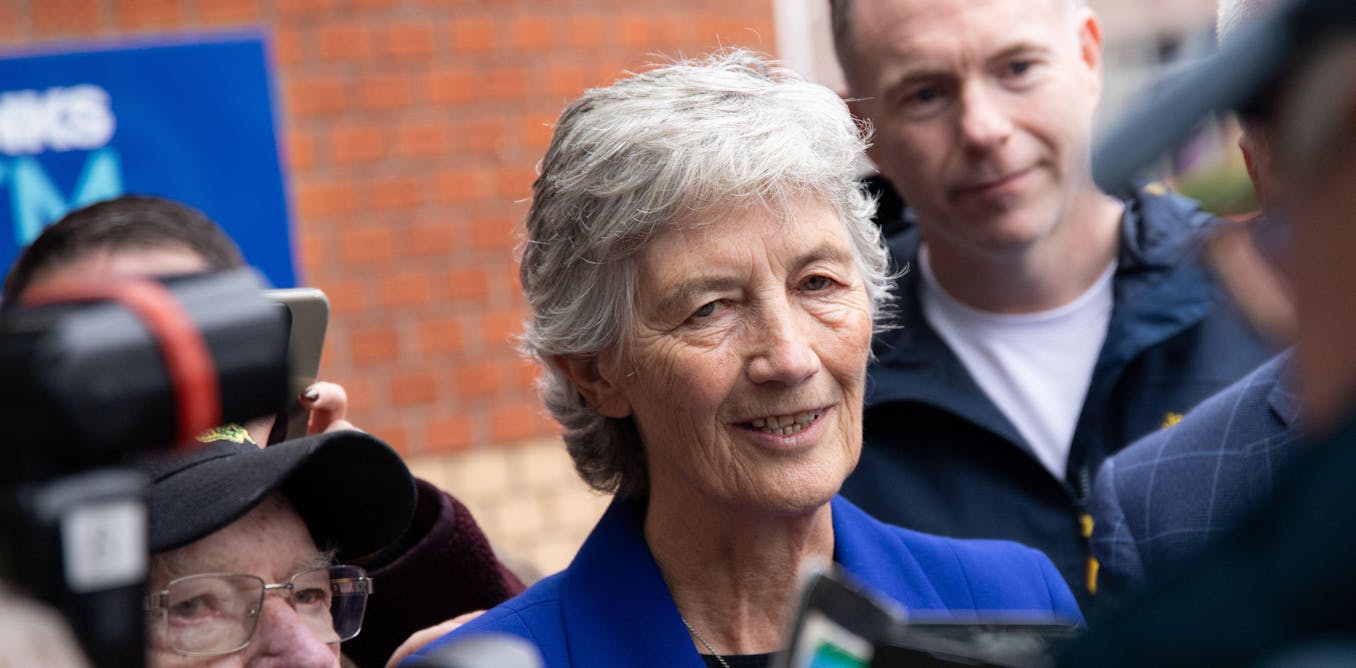
As the election approaches, the race has seen the withdrawal of candidate Jim Gavin, who, despite stepping back, will still appear on the ballot. The final contenders are leftwing independent candidate Catherine Connolly and Heather Humphreys representing Fine Gael. It’s noteworthy that Fine Gael, despite being a ruling party since 2011, has not yet held the presidency.
Alamy/Brian Lawless
Catherine Connolly has gained substantial traction, buoyed by endorsements from major left-wing parties, including Sinn Féin, the Labour Party, and the Greens. This mirrors past elections where dynamics shifted quickly, as seen in 2011 when frontrunner Séan Gallagher lost ground in the final days of campaigning.
Understanding the Presidential Election Process
Securing a position on the presidential ballot in Ireland is a challenging task. Candidates must garner support from at least twenty members of the Oireachtas or receive backing from four of the thirty-one local city or county councils. This has resulted in the current election featuring only three candidates, the fewest in a contested election since 1990.
Presidential Powers and Responsibilities
While the president’s role is largely ceremonial, it does come with certain formal powers. These include:
- The ability to refuse a dissolution request from the Taoiseach.
- The authority to withhold a bill signature and refer it to the Supreme Court for constitutional review.
However, these powers are rarely exercised; for instance, no president has ever formally denied a Dáil dissolution request.
Election Dynamics and Voter Engagement
This election presents an opportunity for left-wing parties to challenge the governing coalition of centre-right parties. It acts as an informal referendum on current governance, although a significant victory for Connolly might not necessarily indicate a broader shift in public sentiment. Voter turnout could play a critical role in shaping the results, especially as rapidly changing public engagement trends emerge.
As enthusiasm for candidates varies, many voters feel that their choices do not adequately represent them, raising concerns about turnout potentially falling below the historic low of just under 44% recorded in 2018. The engagement of younger voters, who reportedly favor Connolly, will be vital for valid representation in the election.
Conclusion
The upcoming presidential election in Ireland is marked by dynamic candidates, evolving political landscapes, and the potential for unexpected outcomes. As citizens prepare to cast their votes on October 24, the implications of this election extend far beyond the presidency itself, questioning the very fabric of Irish political sentiment.
