


Kendra Hilty’s Viral Journey: Love, Backlash, and Support on TikTok
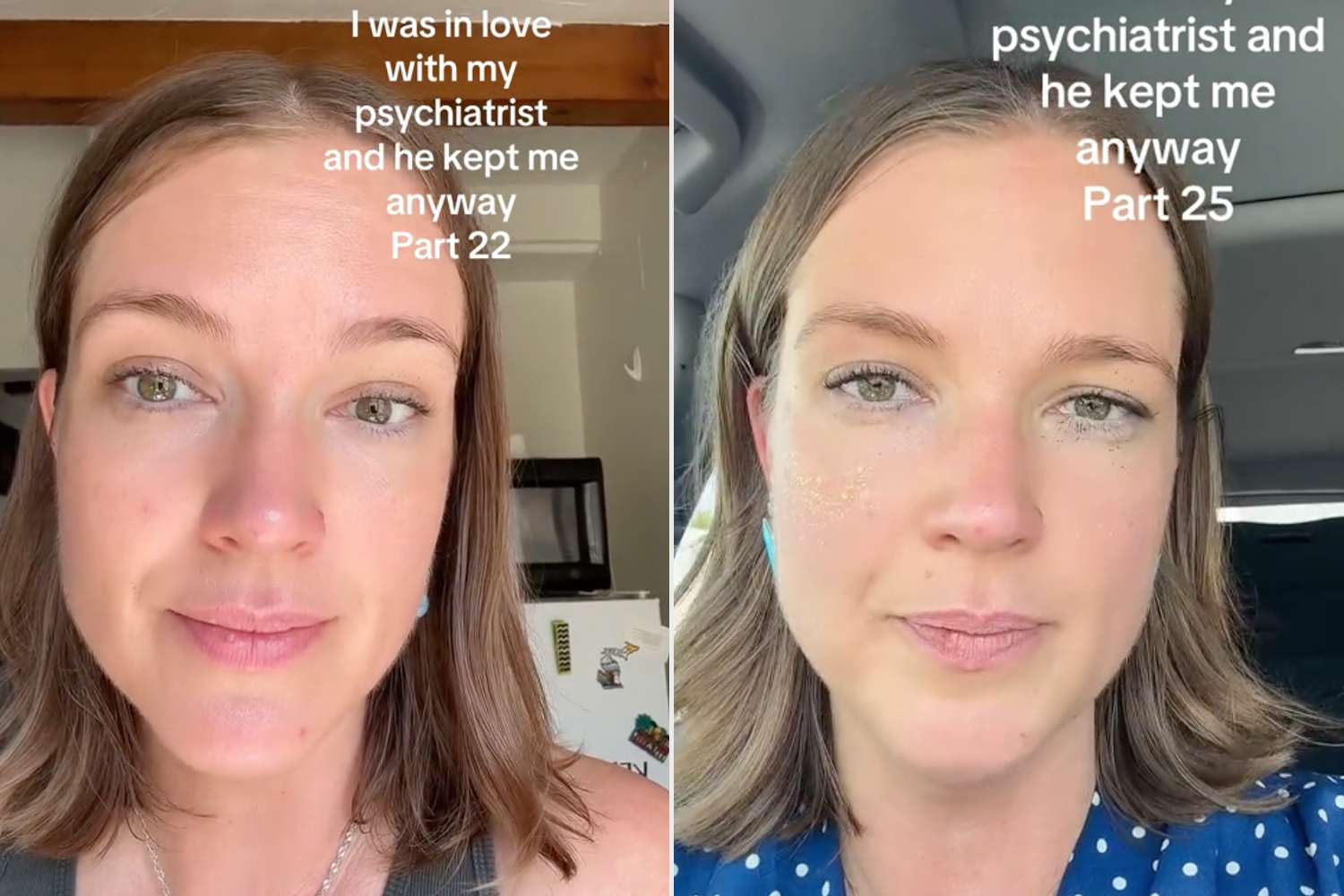
Kendra Hilty, a 36-year-old ADHD coach based in Arizona, has recently gained considerable attention on TikTok due to her candid revelations about her experiences with her psychiatrist. In a series of videos that went viral over two weeks, Hilty discusses the complexities of falling in love with her psychiatrist and the consequences that followed.
Viral Claims and Allegations
On August 1, Hilty uploaded a video where she stated, “I fell in love with my psychiatrist and he knew that and he kept me for years as a patient and I was brave enough to leave him.” This initial post sparked a sequence of videos—now numbering more than 25—where she elaborates on her claims. Hilty alleges that her psychiatrist manipulated their interactions to foster romantic feelings and did not appropriately terminate their professional relationship when she expressed her love.
Additionally, Hilty shares her experiences with another therapist, who allegedly overstepped boundaries by texting her between sessions and seeking her advice regarding his clients. A notable element of her series includes her interactions with an AI bot named Henry, which reportedly helped her understand the concept of countertransference—a psychological term describing when a therapist develops feelings for a client.
Public Reaction and Backlash
The rapid rise in Hilty’s visibility has resulted in millions of views and a following exceeding 100,000 on TikTok. Despite her growing platform, she has faced substantial criticism that prompted her to disable comments on her videos and make her Instagram account private. In an interview with PEOPLE, Hilty described her experience of going viral as one that has made her feel like “TikTok’s most hated woman.” She stated, “I knew that people were going to say it happened to them, too. I didn’t know that people were immediately going to start also being negative.”
Among the backlash, Hilty has encountered severe online harassment, including threats to her safety. She expressed that some individuals have even attempted to track her down, leading her to experience significant personal repercussions, including distancing from friends and family out of concern for her well-being.
Support and Community Response
Despite the challenges, Hilty has received numerous supportive messages from those who connect with her story. “People are telling me that they appreciate me and that they believe me and that they are grateful for my courageousness of sharing my story,” she shared. This encouragement continues to motivate her, mitigating some of the negativity she’s encountered.
The Future and Monetization Efforts
Hilty has begun to capitalize on her newfound fame. She has joined TikTok’s Creator Fund, which allows her to earn money from video engagement, and has launched a subscription service on her account for $2.99 a month, providing exclusive access to live chats. Looking forward, she hopes to transition her content back to sharing advice for individuals with ADHD, continuing her original mission as a coach.
In exploring potential expansion opportunities, Hilty is open to adapting her viral experiences into other forms of media. “If a producer came to me and said, ‘I want to invite you to help us make a movie or a television series about this,’ I’d say yes, as long as it was something that valued and recognized me,” she remarked, indicating a readiness to channel her experiences into future projects.
Conclusion
Kendra Hilty’s journey on TikTok exemplifies the complexities of navigating personal narratives in the public sphere. As she continues to grapple with public scrutiny and capitalize on her platform, her experiences raise important questions about mental health, boundaries in therapy, and the responsibilities inherent in the provider-client relationship.
