


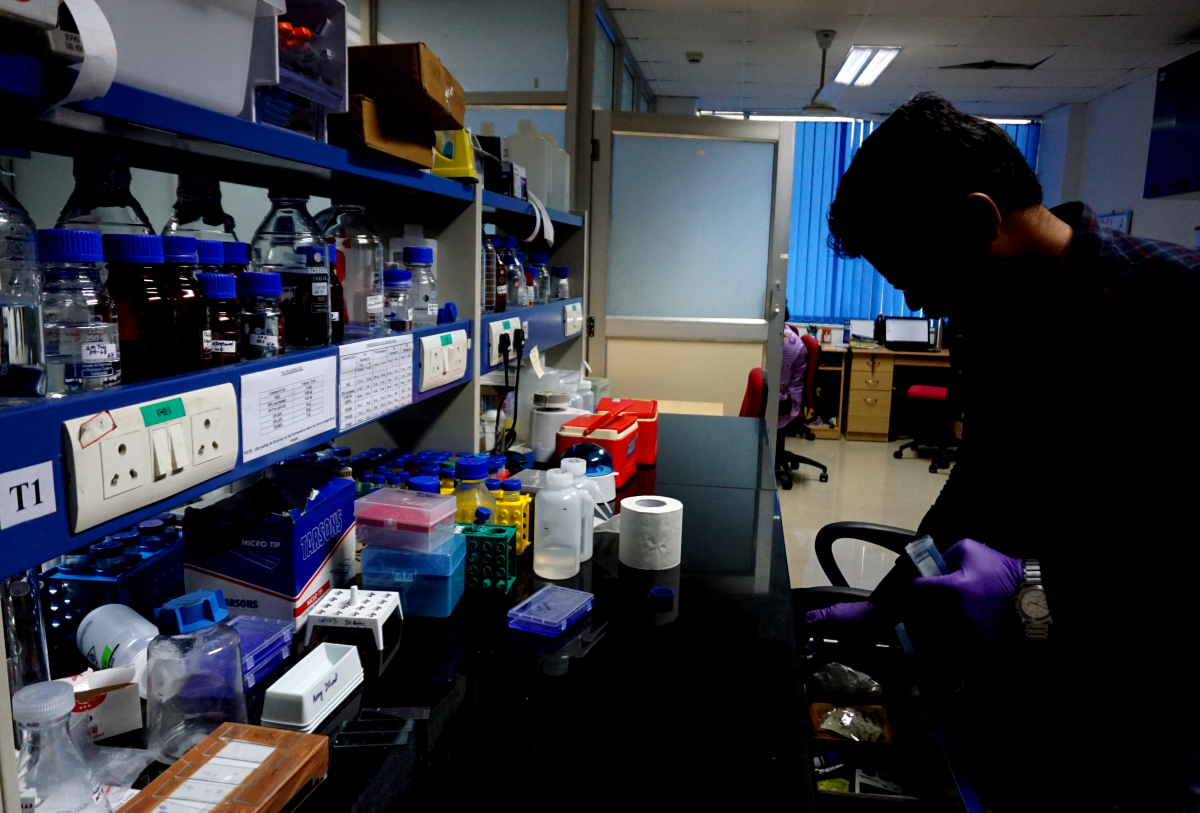
Addressing the Underutilization of India’s Science and Technology Workforce
Credit: Subhra Priyadarshini
A recent survey conducted by the Indian National Young Academy of Science (INYAS) highlights significant underutilization of India’s science and technology (S&T) workforce. This study reveals glaring discrepancies in how skilled labor is deployed across various scientific disciplines.
Survey Insights: The Status Quo
The INYAS survey, involving 106 professionals from diverse scientific sectors, indicates that many trained individuals are not engaging in positions that adequately utilize their skills. Key factors contributing to this trend include:
- A mismatch between the supply of skills and job opportunities.
- Gender-related barriers affecting women’s participation in the workforce.
- Geographical limitations that hinder job access.
- A lack of information regarding re-entry programs following career breaks.
Impact of Gender and Age Biases
The findings underscore the widespread nature of these issues across both male and female S&T professionals, with women representing approximately 52% of the respondents. Many indicated that a scarcity of job opportunities significantly affects their career progression, particularly among women and younger professionals.
Notably, 80% of those on career breaks were under the age of 40, with many under 30. “India’s R&D sector faces an unbalanced supply-demand dynamic,” emphasizes Neha Sardana, an Assistant Professor at IIT Ropar and co-author of the survey, highlighting the insufficient job market for the increasing number of trained professionals.
Gender Discrimination and Career Interruptions
Gender biases emerged clearly in the survey, with numerous female respondents citing discrimination tied to their marital status and family responsibilities. Poyni Bhatt, former CEO of the Society for Innovation and Entrepreneurship at IIT Bombay, argues for inclusive policies that facilitate women’s reintegration into the workforce, suggesting resources such as childcare support and flexible hours.
Geographical Disparities in Job Opportunities
The report also indicates that job availability is unevenly spread across different regions, often compelling skilled professionals to remain underemployed due to financial or familial constraints associated with relocating to urban centers.
Many respondents were unaware of governmental initiatives, like the KIRAN program from the Department of Science and Technology, which aims to assist women scientists seeking a return to their careers after breaks.
Strategies for Better Utilization of the S&T Workforce
To address these challenges, experts recommend a multi-faceted approach to enhance the inclusivity and responsiveness of India’s S&T ecosystem. Recommended strategies include:
- Increasing full-time equivalent (FTE) positions in R&D with a focus on both public and private sectors. Currently, India has 255 FTEs per million people, far behind the global average of 1,198.
- Introducing flexible work arrangements and remote work options to better accommodate professionals, especially women.
- Encouraging entrepreneurial initiatives within the S&T sector to stimulate job creation and innovation.
- Recognizing career breaks neutrally in hiring processes, advocating for considerations based on “academic age” rather than “biological age.”
- Launching campaigns to raise awareness of re-entry grants, skill-building workshops, and mentorship programs available to skilled professionals.
The potential for private sector partnerships and collaboration with NGOs could further broaden employment avenues and contribute to reintegration efforts. A national policy aimed at expanding S&T job options is deemed essential for transforming the current workforce dynamics.
Conclusion
Experts like Rupamanjari Ghosh, a distinguished quantum physicist, assert that without a comprehensive policy framework supporting diverse employment arrangements and regional research centers, India risks underutilizing a significant segment of its skilled scientific workforce. Addressing these gaps is critical for a more dynamic and resilient S&T ecosystem in India.
