


Government Reassesses Compensation for Affected Women
The UK Government has announced its decision to reconsider compensation for up to 3.8 million women impacted by adjustments to the state pension age, marking a significant development in an ongoing and contentious issue. This announcement came from Work and Pensions Secretary Pat McFadden during a recent session in the House of Commons.
Background on Pension Age Changes
The changes primarily affected women born in the 1950s, who saw their state pension age raised from 60 to 65, aligning it with men’s. Previously, Labour’s decision not to grant compensation despite a recommendation from the Parliamentary and Health Service Ombudsman (PHSO) drew criticism. The PHSO suggested payments of up to £2,950 per person, suggesting that inadequate communication by the Department for Work and Pensions (DWP) had hindered these women in planning their retirements.
New Evidence Emerges
During the Commons session, McFadden indicated that new evidence had surfaced, which his predecessor, Liz Kendall, had not considered prior to her decision in December. McFadden stated, “Retaking this decision should not be taken as an indication that Government will necessarily decide that it should award financial redress.”
Response from Advocacy Groups
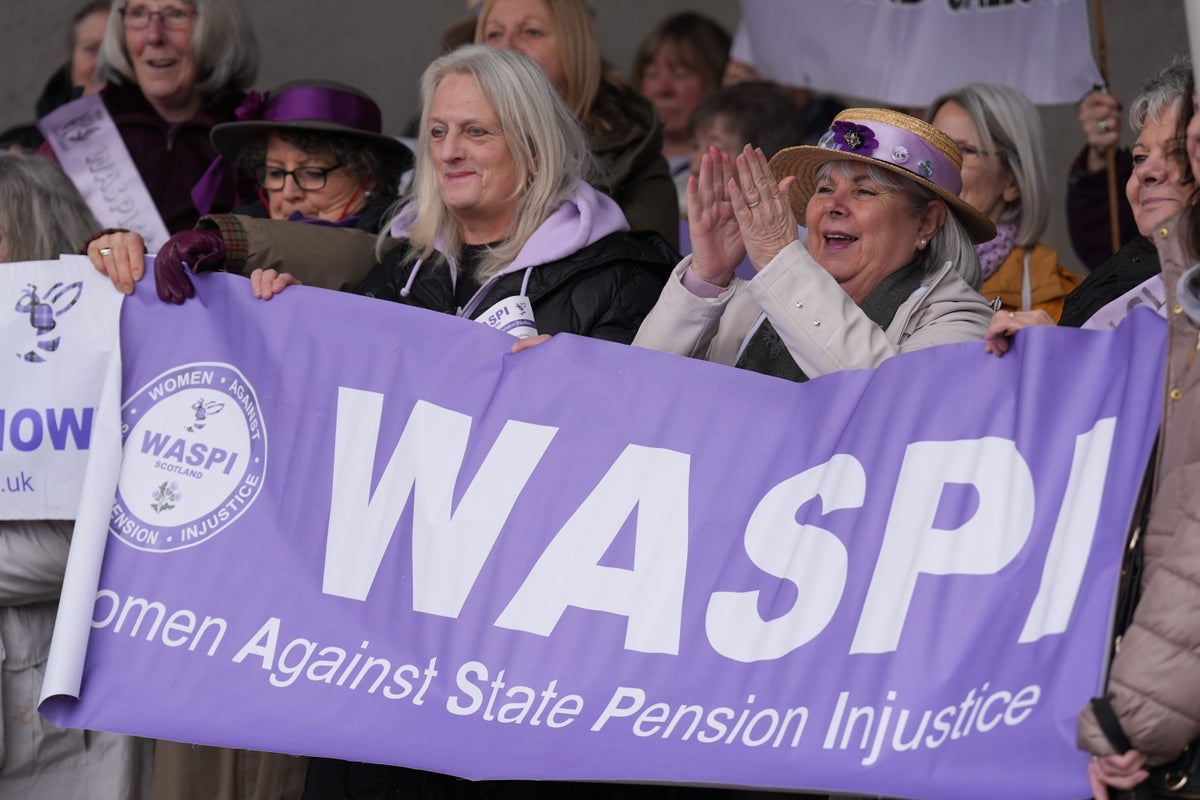
Angela Madden, Chair of Women Against State Pension Inequality (Waspi), expressed cautious optimism about the government’s renewed scrutiny. “For 10 years we have been fighting for compensation,” she noted, describing the announcement as a “major step forward.” She highlighted the urgency of the situation by stating, “We hope they also try to do it quickly because every 13 minutes a Waspi woman dies.” Madden also mentioned that legal advice would be sought regarding potential judicial review.
Further Developments
It is important to note that while the government is re-evaluating its position, this does not guarantee that compensation will be awarded. The next steps include further consideration and analysis by the government, with updates to be provided to the House of Commons once a conclusion is reached.
Parliamentary Ombudsman’s Findings
The PHSO had earlier highlighted “maladministration” by the DWP, stressing that the lack of clear communication led women to miss out on critical retirement planning opportunities. While the PHSO acknowledged these mistakes, it clarified that the adverse communications did not directly cause financial loss.
Conclusion
This development signifies a pivotal moment in the ongoing discourse surrounding the pension adjustments and their impact on women. As the government embarks on this review, the potential for financial redress remains uncertain, but the voices advocating for fair treatment are growing louder and more persistent.
