


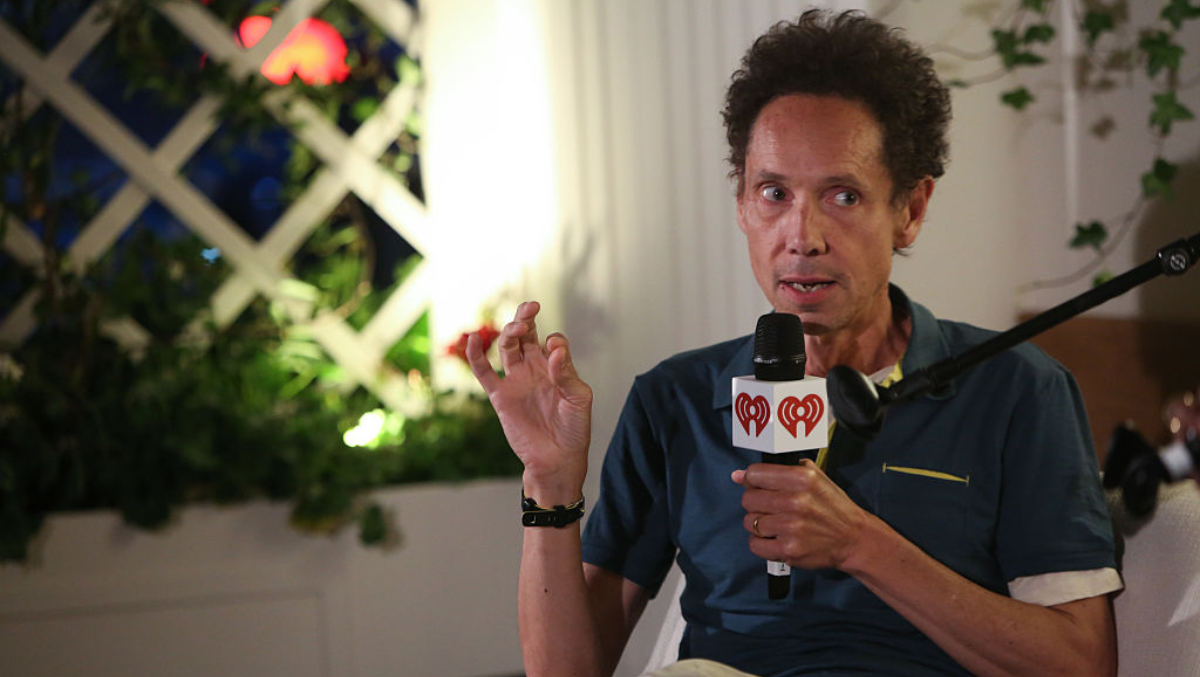
Malcolm Gladwell Admits Regret Over Transgender Athlete Panel
In a recent discussion on The Real Science of Sport podcast, renowned journalist and best-selling author Malcolm Gladwell acknowledged his shortcomings during a 2022 panel at the MIT Sloan Sports Analytics Conference. Specifically, he confessed to remaining silent about his skepticism toward pro-trans arguments regarding transgender athletes in women’s sports.
Confession of Silence
Reflecting on his experience, Gladwell stated, “I’m ashamed of my performance at that panel because I share your position 100%, and I was cowed.” He expressed retrospective regret, admitting to a “dishonest” pursuit of neutrality. Gladwell’s statements have ignited discussions regarding the ramifications of silence in important debates, especially related to gender and sports.
Shifting Perspectives
Gladwell’s assertions suggested he believes that most attendees at the panel would now agree that transgender athletes do not belong in female categories. He remarked, “I don’t think there’s any question.” This shift reflects changing dynamics in how these topics are discussed publicly.
The Repercussions of Inaction
The implications of silence on contentious issues are significant. As Gladwell noted, despite his internal disagreements, he refrained from voicing dissent. “There was that moment when… the trans athlete on the panel… turned to [Ross Tucker] and said, ‘Ross, you have to let us win,'” he recalled, recognizing that this moment highlighted extreme positions in the debate.
Real-Life Consequences
The panel discussion is just one aspect of a larger societal conversation where individuals, such as female athletes and medical professionals, have faced dire consequences for expressing their views. Activists like Riley Gaines have experienced bullying and intimidation for advocating positions on women’s rights in sports, exemplifying the high stakes associated with speaking out.
The Cultural Landscape
Gladwell is not alone in his retrospective acknowledgment of the shifts in public opinion surrounding transgender issues. He believes that as cultural attitudes evolve, others who once remained silent may begin to express their true beliefs. However, this raises questions about accountability and the responsibilities individuals have in advocating for fairness and truth.
A Call for Courage
While it is commendable that figures like Gladwell are beginning to articulate their regrets, the need for proactive discussion is crucial. He encourages future engagement on such matters, emphasizing the importance of vocalizing convictions when they matter most, rather than when it becomes politically expedient. “Next time, have the guts to say what’s right when it matters,” he urged.
Conclusion
Malcolm Gladwell’s reflections not only highlight the complexities involved in discussing transgender athletes in sports but also the broader implications of silence and conformity in public discourse. As society navigates these challenging discussions, it becomes essential for individuals to stand firm in their convictions and advocate for what they believe to be true.
