


Women Farmers in Georgia: Growth Amidst Funding Cuts
Rising Trends in Female Farmers
Recent U.S. Census data reveals a significant trend: women now account for one in three farmers in Georgia. This growing demographic highlights the increasing participation of female agriculturalists in a traditionally male-dominated field.
Impact of Funding Reductions
Many of these women have benefitted from federal grant programs designed to promote diversity, equity, and inclusion (DEI) in the agricultural sector. However, recent decisions to cut or modify these programs are being felt across the state’s farming communities.
A Local Case Study: Cardboard Garden
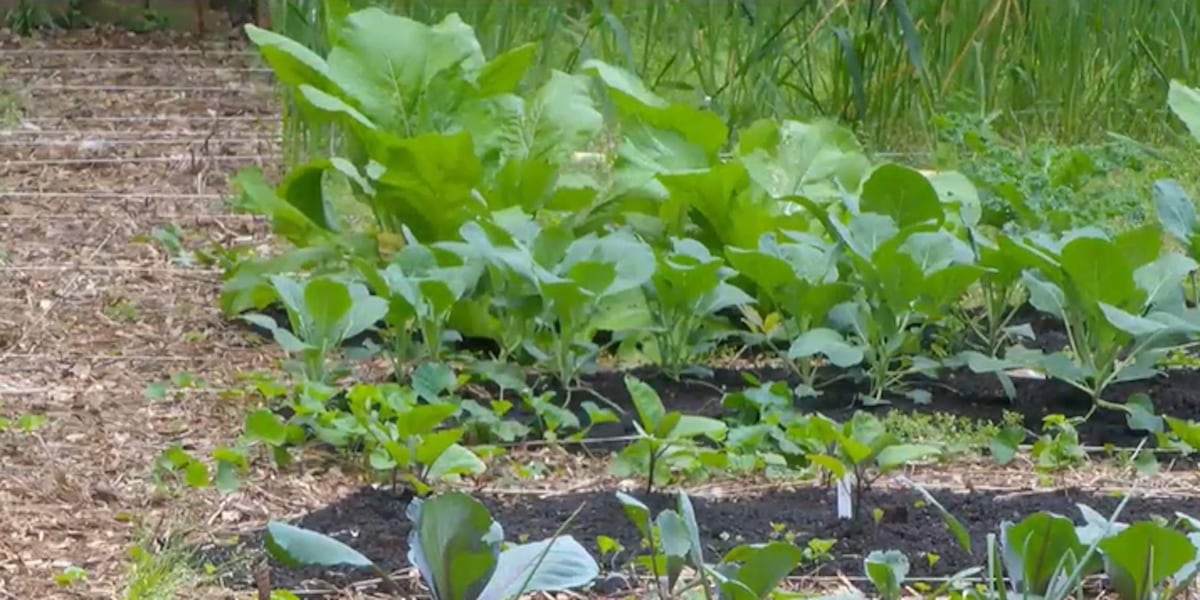
Elisha Williams, the founder of an urban farm named “Cardboard Garden,” is dedicated to cultivating food for her community. Currently in the growing season, she is producing broccoli, collard greens, and tomatoes, but has aspirations to expand her operations through hydroponic methods for year-round cultivation.
“I can grow half an acre of lettuce in one small building,” Williams explained, reflecting her ambitions and innovative approach.
Unfortunately, just as her hydroponic equipment arrived, she was informed that the grant supporting her climate initiatives had been eliminated. In addition, she also lost access to a second grant aimed at enhancing soil health specifically for minority farmers.
“Even though the programs may seem to be geared towards minority farmers or underserved groups, we feed everyone,” Williams emphasized, underscoring the broader impact of these funding cuts.
Federal Budget Changes and Their Consequences
A recent report from the White House highlighted that significant reductions in DEI-related initiatives across federal agencies, including the Department of Agriculture, have resulted in $2.3 billion in taxpayer savings. Brooke Rollins, the U.S. Secretary of Agriculture, stated, “We are realigning the U.S. Department of Agriculture — not around diversity, equity, and inclusion.”
Economic Ramifications for Small Farmers
According to the National Women in Agriculture Association, the losses associated with these funding cuts may reach millions in Georgia alone. Norreen Whitehead, leader of the association’s Georgia chapter, noted, “Many of our farmers — our women farmers — are small farmers. And small farmers really help our economy.”
Seeking New Opportunities
In light of the challenges, Elisha Williams plans to pursue alternative funding sources while hoping that new supportive programs will be introduced to mitigate the gaps created by the funding cuts.
Members of the National Women in Agriculture Association are advocating for a meeting with the President to stress the importance of maintaining inclusive agricultural programs that support all farmers.
