


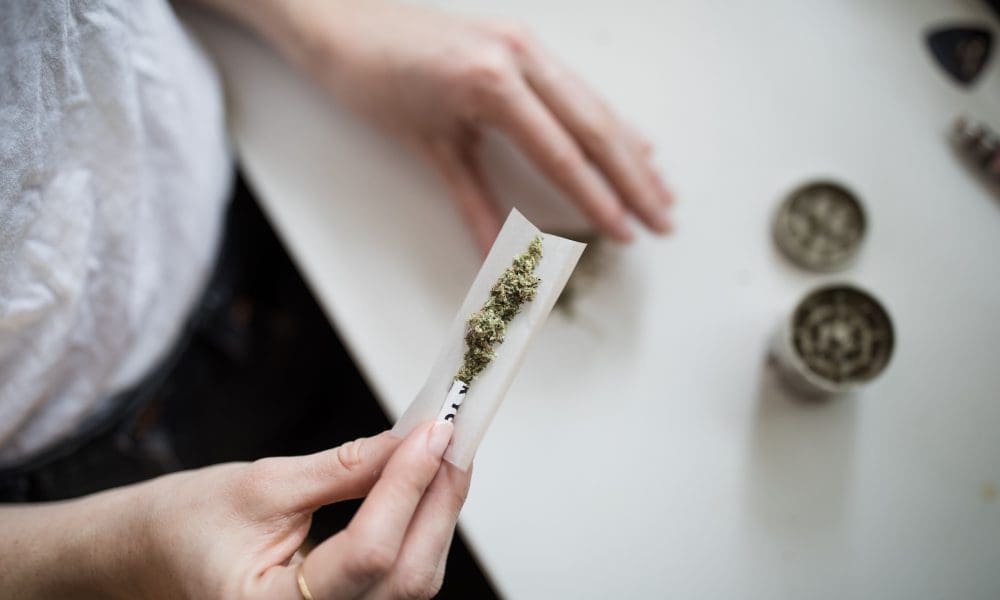
A recent report released by a federal agency has shed light on the preferences of marijuana consumption among American users. The findings indicate that smoking remains the predominant choice for consumers, though notable differences exist between male and female users. Specifically, men are more inclined to smoke cannabis, while women prefer alternatives like edibles, beverages, and topical applications.
Consumption Preferences by Gender
The analysis, based on data from the National Survey on Drug Use and Health for 2022 and 2023, reveals that 19.8 percent of male participants aged 12 and older identified smoking as their primary method of consumption. In contrast, only 14.3 percent of female respondents reported smoking as their most common mode of use. Women showed a stronger inclination toward topicals, with 2.5 percent preferring products like lotions and creams, compared to 1.2 percent of men.
Different Methods of Consumption
The report highlights that women also exhibit a greater tendency towards consuming cannabis through edibles and beverages. Other noted methods that are comparatively popular among female users include oral drops and lozenges. Male consumers, however, lean more towards inhalation methods, such as vaping and dabbing concentrates.
Age-related Trends
According to the report, younger users, particularly those aged 18 to 25, display a preference for smoking marijuana, more so than their counterparts in older age brackets. “Regardless of sex, young adults aged 18 to 25 who used marijuana in the past year were more likely to smoke marijuana compared to people in other age groups,” states the report.
Usage Patterns
The survey also noted consumption patterns among users. A significant 44.9 percent of respondents reported using a single method of consumption, while about 27.5 percent utilized two methods. The remaining 27.6 percent employed three or more modes of consumption. It was observed that older users tended to stick to one method, whereas younger users were inclined to experiment with multiple consumption modes.
Growing Trends and Habits
Interestingly, a separate report from the Centers for Disease Control and Prevention (CDC) supports the finding that while smoking remains the prevalent method of use, other forms such as eating and vaping are gaining traction. This was the first time since 2016 that survey participants could select multiple consumption methods, highlighting a shift in usage trends.
Shifts in Perception and Usage Among Adolescents
Additionally, ongoing research indicates that despite an increase in marijuana legalization across various states, the rate of cannabis use among high school students is declining. An earlier SAMHSA report suggests that cannabis consumption among minors (aged 12 to 20) has experienced a slight reduction recently, indicating a potential shift in behavior over the past decade.
Comparison with Alcohol Consumption
A recent survey found that more Americans smoke marijuana daily than drink alcohol daily. Interestingly, alcohol drinkers are almost three times as likely to express a desire to reduce their consumption compared to marijuana users. Furthermore, a study highlighted that the secondhand harm associated with alcohol consumption is significantly higher than that linked to cannabis.
Final Observations
The data reflects complex social changes surrounding cannabis consumption, influenced by factors like age, gender, and societal attitudes toward marijuana. Moving forward, understanding these trends will be essential for public health initiatives and regulatory frameworks regarding marijuana use.
