


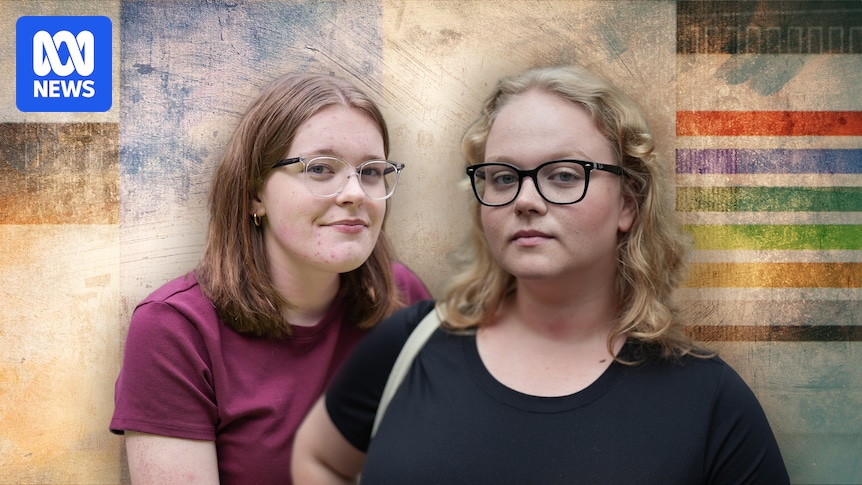
Young Women in Australia Redefine Political Engagement
Emma Garvey, an 18-year-old from Penrith, is casting her vote for the first time in the upcoming federal election. Like many young women her age, she aligns herself with progressive political views.
Political Landscape and Young Women
Recent data from Vote Compass reveals that a significant majority (67%) of women under 29 identify with left-leaning parties, a stark contrast to their male counterparts, where 50% of Gen Z men describe their political stance as moderate left or left. This demographic shift highlights a notable gap between young women and men in political alignment.
Concerns and Preferences
Garvey mentions her friends tend to be more critical of the Coalition than supportive of the Labor Party, stating, “I feel like a lot of [my friends] are more anti-Dutton than they are pro-Albanese.” This sentiment is echoed by many young voters who share concerns about the rise of right-wing politics, reminiscent of those seen in the U.S., particularly regarding women’s rights.
Voting Trends Among Gen Z
According to the 2022 Australian Election Study, only 26% of Gen Z voters supported the Coalition, signifying an unprecedented shift in voting preferences. Female support for the Coalition has reached historic lows, indicating a broader trend of women gravitating towards progressive policies.
Generation Z’s Political Shifts
Research conducted by Michelle Arrow, a history professor at Macquarie University, suggests that this political shift is part of a global trend where women are increasingly moving left, distancing themselves from conservative political roots that dominated until the late 20th century. Arrow notes, “It reflects those broader social shifts that we’ve seen, more young women are in higher education,” contributing to their progressive leanings.
Influence of Youth on Election Debates
Despite their significant representation, young women often feel overlooked in political campaigns. Professor Arrow highlights that key campaign issues tend to center around cost of living rather than specific concerns relevant to young women, such as education, climate change, and affordable housing.
Challenges Faced by Young Voters
The engagement of young voters remains a challenge. A study from Griffith University indicates that nearly half of Gen Z voters participated in the last federal election mainly to avoid penalties rather than from a strong sense of civic duty. Voter apathy is reflected in the frustrations expressed by young individuals like Stella Giacon, who is disillusioned by what she perceives as a lack of political action on issues that deeply affect her generation.
“I want to live in a world where polar bears and tigers exist, and I can explain to my children they’re real,” Giacon stressed, pointing to climate change as a major concern, along with issues such as rising living costs and student debt.
The Future of Political Participation
As the Australian electoral landscape evolves, the engagement and perspectives of young women could play a decisive role in shaping future elections. While the major parties strive to connect with younger voters through various digital platforms, many like Garvey believe more substantive policy changes are necessary.
“I feel like they’re trying to appeal to young voters in general through their use of TikTok and just jumping on trends randomly,” she noted. “But I don’t think they’re doing a lot with policy-wise to really connect with them.”
Conclusion
The voting choices and political leanings of young women like Emma Garvey and Stella Giacon are not just shaping their future but also the broader political discourse in Australia. As these young voters navigate their first electoral sessions, their progressive attitudes and concerns may well dictate the course of the nation.
