


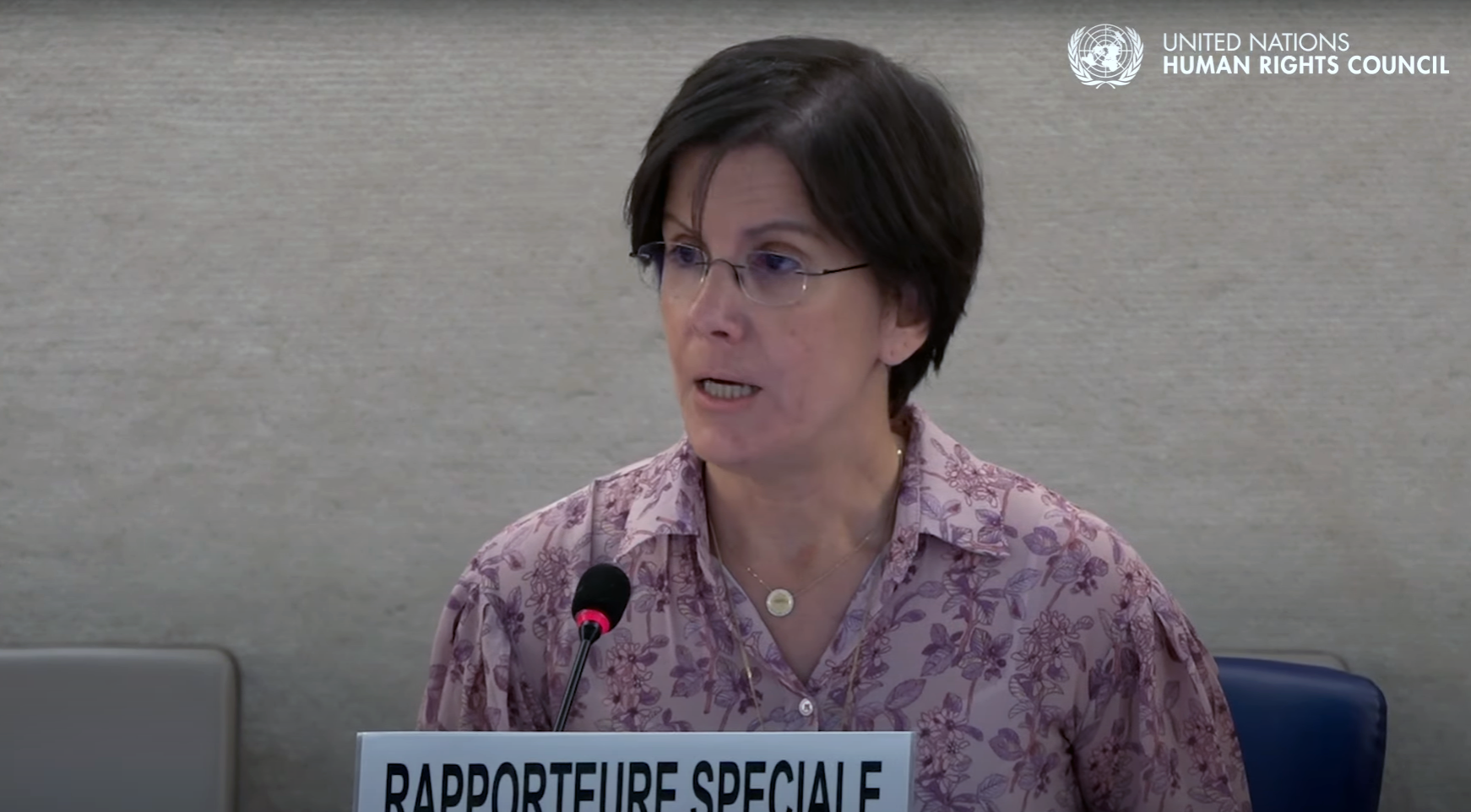
A recent report by a UN human rights expert highlights serious concerns regarding the diminishing prominence of biological sex in global policy discussions. Reem Alsalem, the UN Special Rapporteur on violence against women and girls, warns that this trend poses significant risks to protections aimed at women and girls against gender-based violence.
During the 59th session of the UN Human Rights Council in June, Alsalem presented her findings, emphasizing that a return to a clear recognition of biological sex is crucial for adequately combating violence and discrimination. “The consequences of this blatant disregard of the material reality of sex have been devastating,” Alsalem stated, explaining how the merging of concepts such as sex, gender, and gender identity has led to flawed data and weakened legal safeguards.
The Define and Protect Dilemma
At the core of Alsalem’s report (A/HRC/59/47) is the argument that moving away from precise, sex-based terminology in law and policy undermines the necessary tools for the protection of women and girls. She pointed out crucial failures in defining terms like “woman” and “girl” based on biological sex, which complicates data collection and impedes efforts to analyze and address gender-based violence effectively.
“Simply put, you cannot protect what you cannot define,” she argued. Examples cited in her report include alarming connections between domestic violence and suicide, reproductive coercion, femicide linked to genocide, and digitally-facilitated sexual exploitation. Many of these forms of violence are overlooked when the distinctions concerning sex are ignored.
Facing Backlash
Alsalem has faced considerable backlash for her stance on this issue, revealing that she has been labeled with derogatory terms by critics. “I never imagined the day would come where my mandate would deem it necessary to prepare a report affirming that the words ‘women’ and ‘girls’ refer to distinct biological and legal categories,” she remarked, indicating the personal and professional challenges she has experienced.
She provided accounts from numerous women and their allies, detailing a pattern of vilification for asserting the importance of sex-specific data in understanding discrimination. “Scientists and biologists have been attacked for asserting what science tells us—that sex is as binary as it gets,” she noted, emphasizing the risks taken by those defending biological truths.
Returning to Fundamentals
The report, while acknowledging the complexities surrounding gender issues, calls for a reaffirmation of international legal frameworks that recognize biological sex in efforts to combat gender-based violence. Alsalem argues for a clear reinstatement of the definitions of sex, urging that conflating these terms leads to further misundering and inadequate protections.
Her recommendations for states include:
- Utilizing precise definitions of sex and gender in legislation.
- Mandating sex-disaggregated data collection in all policy sectors.
- Ensuring that services for survivors of gender-based violence are tailored to the specific needs of the sex they identify with.
- Safeguarding the rights of girls experiencing gender dysphoria with evidence-based care emphasizing long-term well-being.
- Adopting a standardized international framework for defining “consent” in cases of sexual violence.
Support and Criticism
The report has received acknowledgment from various human rights advocates, notably from Alliance Defending Freedom (ADF) International, who emphasizes its critical relevance amidst growing awareness of the adverse implications of gender ideology. “This report delivers a timely and urgent message,” said Giorgio Mazzoli, ADF International’s Director of UN Advocacy.
Implications for Future Policies
Alsalem’s insights come at a time when many governments are revising their legal frameworks surrounding gender identity and women’s rights. Recent laws allowing for self-identification have sparked extensive debate regarding their implications on women’s rights and services. Alsalem’s findings may galvanize efforts among lawmakers and advocates advocating for a return to sex-based language in legal systems.
“Erasing women and women’s specific language and needs based on their sex is not only wrong; it is demeaning,” Alsalem expressed. Concluding her remarks, she voiced her regret over the necessity of her report: “My only regret is that I did not write this report sooner. Far too much time has been spent by women defending their existence—time that should have been invested in advancing their rights and achieving equality.”
