


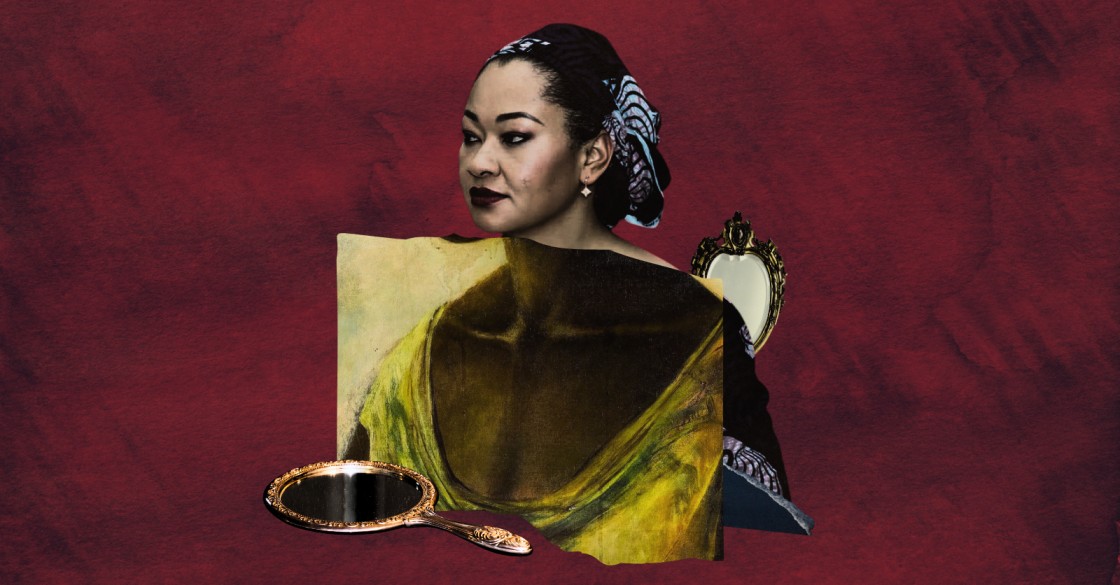
Gender Dynamics and Misconduct in Nigerian Politics
Context of Recent Events
The suspension of Senator Akpoti-Uduaghan amid allegations of misconduct has sparked significant debate about the treatment of women in political arenas. Notably, prominent figures such as Remi Tinubu have commented on the situation, indicating a troubling narrative regarding the responsibilities placed on women to navigate male-dominated environments.
In her remarks, Tinubu emphasized the need for women to raise their standards and reject inappropriate behavior, stating, “…people compliment you all the time… women, raise yourself high, don’t be in a position that men can be talking to you; you can always shut them down before they start.” While her intention might seem empowering, such statements can inadvertently shift accountability away from those who display misconduct.
Pattern of Targeted Behavior
Senator Akpoti-Uduaghan’s situation reveals systemic issues within legislative conduct. Prior to her suspension, Senator Akpabio publicly admonished her for her comments during a session, suggesting that the Senate was not a platform for informal discourse. Following this, he ordered her seat to be moved without her knowledge, triggering her assertive response, “I am not afraid of you.”
Her subsequent appearance on Arise TV, where she first raised allegations of sexual harassment against Akpabio, has since been seen as a catalyst for disciplinary actions taken against her. Many groups, including women’s rights advocates, have condemned this suspension, framing it as “legislative recklessness” and indicative of a political environment that penalizes those who speak out against misconduct.
The Interplay of Gender and Power
This discourse emphasizes a broader cultural issue: the normalization of harassment within spaces where power dynamics are stark. The dismissive attitude toward women’s grievances, often labeled as mere hyperbole, perpetuates a toxic environment that can escalate to more severe forms of violence. In Nigeria, the estimated prevalence of rape ranges from 11% to 55%, highlighting the urgent need for addressing these issues at legislative levels.
When powerful individuals trivialize sexual harassment within their ranks, they contribute to a culture that blames victims rather than perpetrators. This shift in blame is symptomatic of a societal tendency to overlook misogyny, thereby reinforcing existing power imbalances.
Societal Implications and Misogyny
The observations extend into a critical view of how societal norms dictate interactions between genders. When young girls are conditioned to feel responsible for male desires, and boys are taught that their masculinity is linked to their assertiveness toward women, it nurtures a culture of misogyny. This dynamic results in women facing consequences for non-compliance, while men may receive undue praise for mere acts of decency.
Furthermore, transnational feminist studies highlight how bodies serve as sites for social constructs and power relations. The concept of body politics underscores the intricately linked nature of physical appearance and societal power, particularly in the context of “pretty privilege,” which can be both advantageous and detrimental for women.
Conclusion
The intersection of gender, power, and societal expectations necessitates a reevaluation of how misconduct is addressed in political and public spheres. The voices of women must be prioritized, and accountability should fall squarely on those exhibiting disrespectful behavior, rather than shifting the burden onto the victims or marginalized individuals.
