


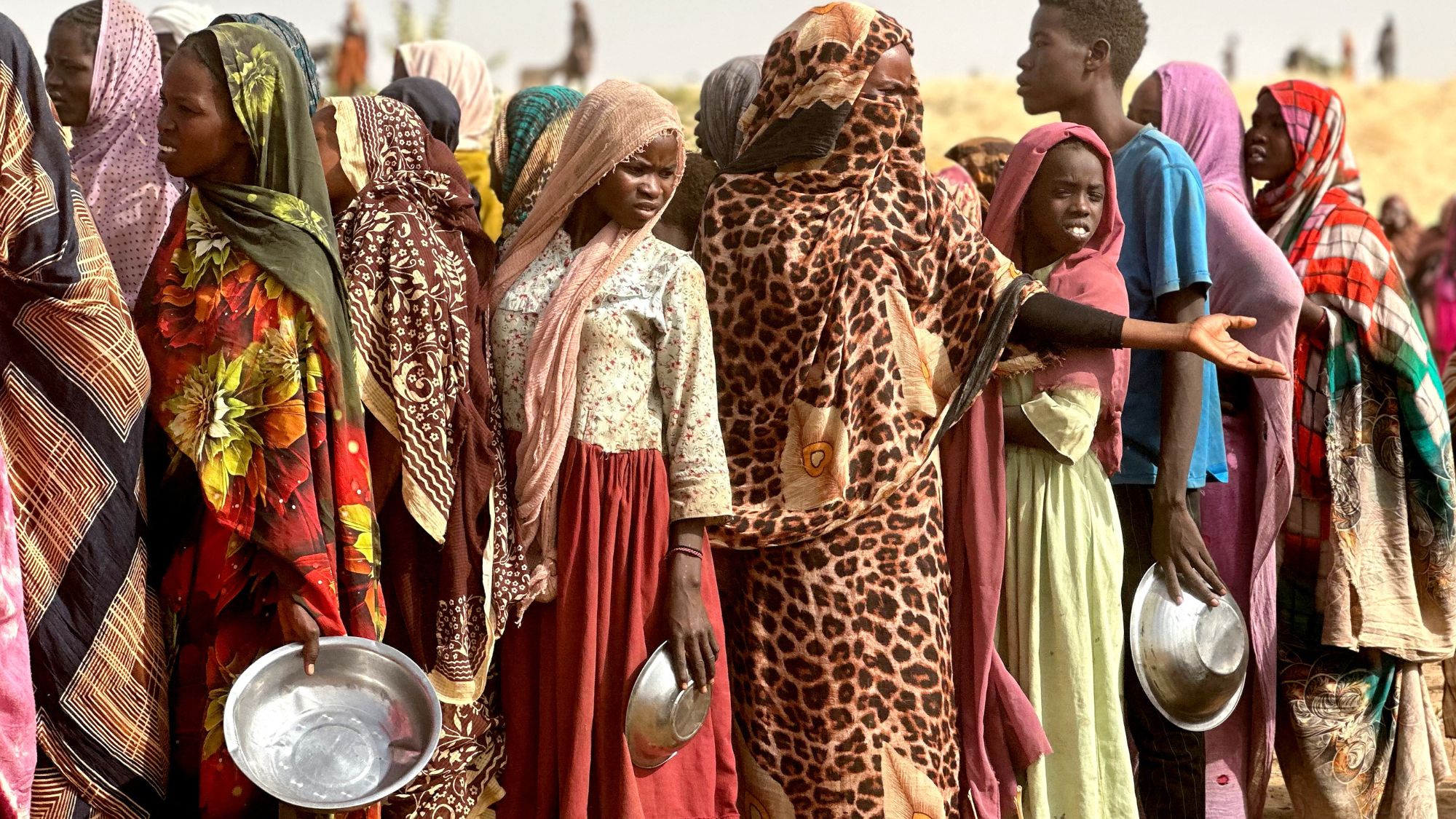
The Gender Crisis in Sudan Amid Ongoing Conflict
As the conflict in Sudan escalates, the United Nations has identified a significant crisis affecting women and girls in the region. With reports detailing rampant sexual violence, mass displacement, and failing healthcare systems, the situation is increasingly recognized as a humanitarian emergency.
Current Situation in Sudan
The ongoing hostilities between rival military factions have resulted in disastrous conditions for the civilian population. UN estimates suggest that over 14.3 million individuals have fled their homes, with a considerable percentage being women and children. Many of these displaced individuals reside in overcrowded camps, where they face critical shortages of food, clean water, and medical services.
Impact on Women and Girls
The situation for women and girls has reached alarming levels. Reports indicate that sexual violence is being employed as a tool of warfare, with increasing incidents of rape, forced marriages, and human trafficking. These traumatic experiences not only affect the immediate victims but pose long-lasting psychological impacts that may resonate for generations.
“With conditions now at near famine thresholds in several regions in the country, it is not just a food crisis, but a gender emergency caused by a failure of gender-responsive action,” stated Salvator Nkurunziza, UN Women Representative in Sudan. He emphasized that women and girls are disproportionately affected by food insecurity, limited resources, and increased risks.
Disproportionate Effects on Women
The humanitarian needs in Sudan are escalating to critical levels, particularly for women. Access to essential health services, including maternal and reproductive care, has been severely compromised. Many pregnant women are left without necessary medical assistance, threatening their health and that of their unborn children.
In refugee camps and temporary shelters, displaced women face heightened risks of exploitation. Insufficient security measures leave them vulnerable to assault, forced labor, and trafficking. There have been distressing reports from Amnesty International indicating that armed groups are coercing young girls into sexual slavery.
Challenges in Delivering Aid
Efforts to provide humanitarian assistance are persistently obstructed. Aid workers often find themselves targeted by these conflicts, and humanitarian convoys are frequently attacked. Consequently, organizations are compelled to limit or halt their operations, leaving many vulnerable populations in dire need without critical support. As reported, “Women are hungrier, poorer, and more desperate than ever.”
Taking Action: What You Can Do
Even in such bleak circumstances, individuals can contribute positively. International advocacy and grassroots movements play a crucial role in driving change. Research by the UN indicates that including women in peace negotiations and political discussions leads to more effective and durable solutions.
Support Organizations Making a Difference
Numerous charities and NGOs, both based in the UK and globally, are focused on supporting women and girls in Sudan. Donations to these organizations can significantly aid their efforts during this critical time:
- UN Women
- Amnesty International
- The International Rescue Committee
- Save the Children
- Oxfam
In conclusion, the ongoing crisis in Sudan poses significant threats, particularly to women and girls, who are disproportionately affected by the conflict. Addressing these issues requires concerted efforts at all levels, from grassroots activism to international intervention.
